

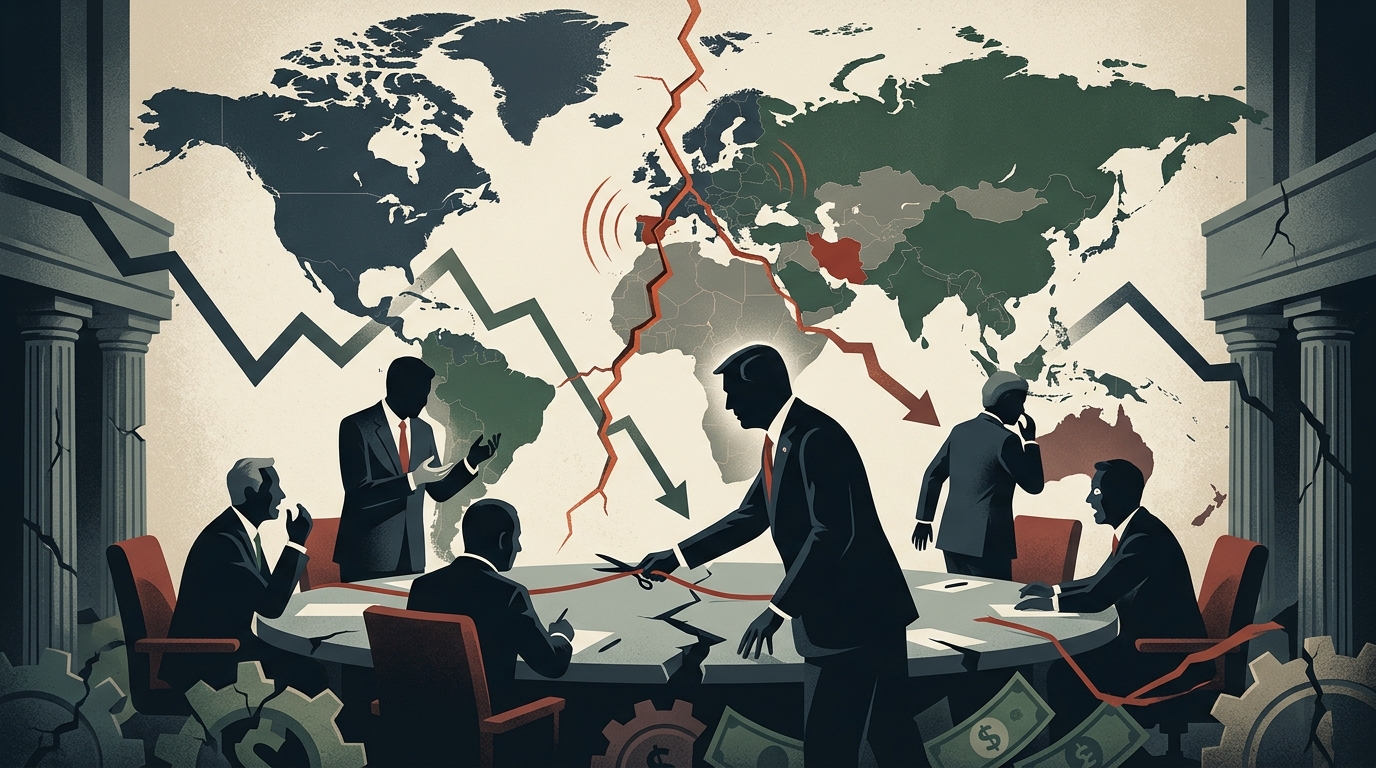
July 8, 2026, will likely be recorded as the day the global geopolitical order entered a new, highly volatile phase. In a series of rapid-fire social media posts and an emergency press conference from Mar-a-Lago, U.S. President Donald Trump announced the end of the informal truce with Iran, while simultaneously launching an unprecedented economic assault on Spain, ordering the complete cessation of all trade transactions with the Iberian nation. The news triggered an immediate plunge in international stock indices, with the S&P 500 and Euro Stoxx 50 recording losses reminiscent of the early days of the pandemic.
The End of 'Shadow Diplomacy' with Tehran
The collapse of the truce with Iran was not entirely unexpected for Washington analysts, but the manner and timing of the announcement caught world capitals off guard. Trump claimed that Tehran had violated "red lines" set secretly in previous months, citing continued support for proxy organizations and an acceleration of the nuclear program. "The period of tolerance is over. Iran mistook our kindness for weakness," he stated emphatically.
This move marks a return to the "Maximum Pressure 2.0" strategy. According to diplomatic sources, the U.S. is preparing to impose the harshest sanctions package the international community has ever seen, targeting not only oil but every remaining banking communication channel in Iran. Fears of a generalized conflict in the Middle East sent Brent crude prices soaring above $110 per barrel within hours, sparking dread of a new inflationary wave across Europe and Asia.
Punishing Madrid: A Rift Within NATO
While the rupture with Iran was anticipated by some, the decision for a total trade embargo on Spain left the international community stunned. President Trump justified this decision by citing the "unfriendly stance" of the Sanchez government on critical security issues and Madrid's insistence on diverging from the American line regarding the Palestinian issue and relations with North Africa. "We cannot subsidize countries that actively work against the interests of the United States and our allies," Trump remarked.
Spain, the Eurozone's fourth-largest economy, now faces an economic nightmare. Exports of Spanish products to the U.S.—ranging from agricultural goods to aerospace components—are frozen indefinitely. This move is seen by many as a "message" to the entire European Union: compliance with the American geopolitical agenda is no longer optional but a prerequisite for access to the American market. Madrid described the move as "illegal blackmail" and called for an emergency meeting of the European Council.
Economic Earthquake and Market Reaction
Markets reacted with panic. The IBEX 35 index in Madrid collapsed, dropping more than 7%, while bank stocks across Europe faced heavy pressure. Uncertainty over the future of transatlantic relations shook investor confidence, leading to massive sell-offs. Analysts warn that if Trump proceeds with similar moves against other European nations, the global supply chain will suffer a blow from which it will take years to recover.
- Gold prices surged as investors sought safe havens.
- The Euro weakened against the Dollar, approaching absolute parity.
- Shipping companies are revising routes amid fears of new tariffs and sanctions.
The situation remains fluid. The international community watches with bated breath as the resident of the White House seems determined to use trade as the ultimate geopolitical weapon, regardless of the collateral damage to the global economy. The question is no longer whether there will be a crisis, but how deep and painful it will be for the West.





