

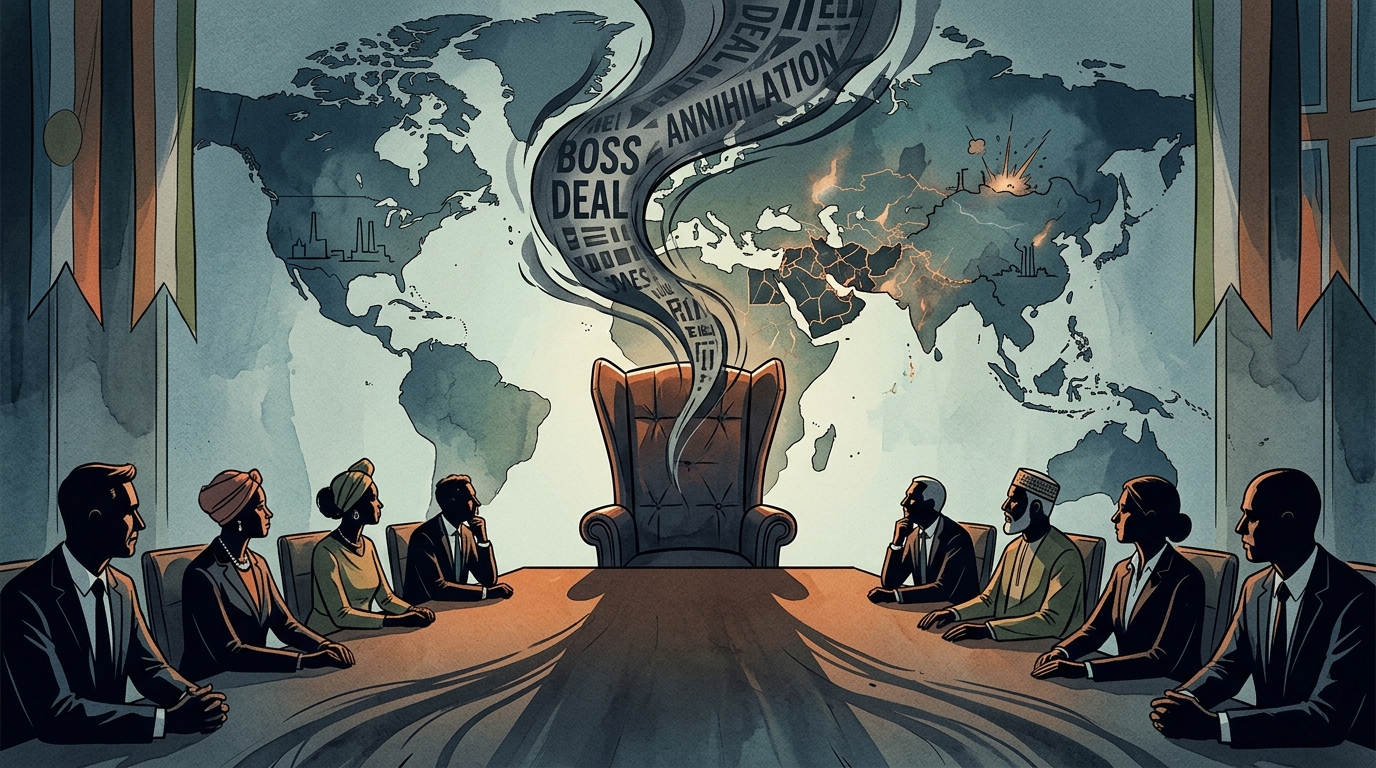
Donald Trump’s return to the center stage of global diplomacy, even through his public pronouncements, is a stark reminder of the "maximum pressure" era that defined his first term. However, his recent comments regarding Benjamin Netanyahu and the Iranian leadership go beyond any previous precedent, sending shivers through the international diplomatic community. Trump did not stop at reaffirming his support for Israel; he made sure to clarify the hierarchy of the relationship, emphasizing that the Israeli Prime Minister "knows who the boss is."
The Hierarchy of Power: Trump and Netanyahu
Trump’s assertion that Netanyahu recognizes U.S. dominance is not merely a display of arrogance; it is a strategic positioning. During his tenure, Trump granted Israel historic concessions, such as moving the embassy to Jerusalem and recognizing sovereignty over the Golan Heights. By stating that Netanyahu "knows who the boss is," Trump is reminding "Bibi" that Israel's survival and regional power are inextricably linked to American support—support that Trump views as his personal achievement.
This "transactional diplomacy" approach suggests that in the new geopolitical reality of 2026, alliances are no longer based on shared values but on a clear protector-and-protected relationship. For Trump, support for Israel is not a blank check; it is an investment that requires full alignment with American mandates, especially at a time when the Middle East is on the brink of a generalized war.
The Shocking Reference to Khamenei’s Funeral
The most controversial point of the interview was his reference to the funeral of Iran’s Supreme Leader, Ali Khamenei. Trump claimed that if he were in power, he could have "wiped out" the entire Iranian leadership during the ceremony. This rhetoric of total annihilation moves away from traditional deterrence and borders on threats of war crimes, according to international analysts.
This reference is not accidental. It recalls the assassination of Qasem Soleimani in 2020, a move that brought the two countries to the edge of war. Trump uses this language to send a message of "terror" to Tehran, implying that the rules of engagement have changed. For him, diplomacy is a zero-sum game where the threat of absolute destruction is the most effective negotiating tool.
Regional Implications and Iran’s Stance
Tehran is closely monitoring these statements, which strengthen the hardliners within the Iranian regime. The threat of an attack at a funeral—a sacred space in Islam—is considered the ultimate insult and could trigger a new cycle of violence from Iran’s proxies (Hezbollah, Houthis) in the region. Meanwhile, Arab nations that signed the Abraham Accords find themselves in a difficult position, as Trump’s extreme rhetoric complicates the maintenance of their internal stability.
However, there is an alternative reading. Some analysts argue that this "unpredictable" behavior from Trump is exactly what is needed to force Iran back to the negotiating table regarding its nuclear program. The "Madman Theory," once utilized by Nixon, seems to be the core of Trump’s strategy for 2026.
Conclusion: A New Era of Instability?
Donald Trump’s statements are not just campaign fireworks or the comments of a former president. They reflect a vision of the world where power is imposed through fear and personal dominance. The admission that Netanyahu "knows who the boss is" and the threat to annihilate the Iranian leadership shape a landscape where diplomacy retreats in the face of raw power. In a world already on fire, such statements could serve either as a catalyst for a new order or as the match in a powder keg.




