The dust from the latest exchanges of fire in the Middle East may have settled, but the echoes of the conflict between the United States and Iran continue to vibrate through the foundations of global diplomacy. As we move through June 2026, President Donald Trump seizes every opportunity to proclaim that his "maximum pressure strategy" has borne fruit, leading to an informal cessation of hostilities. However, behind the triumphant speeches and social media posts, the reality on the ground is far darker and more complex.
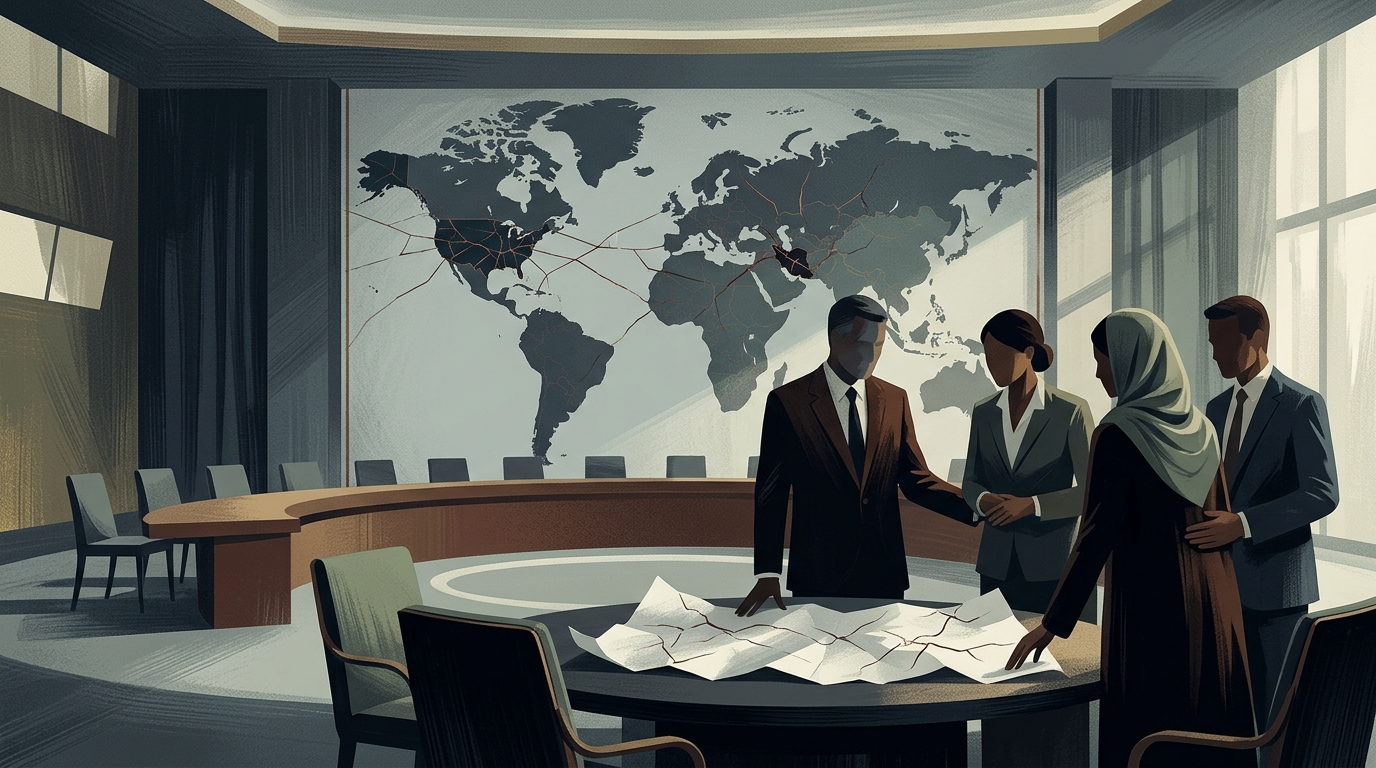
This conflict, which for many months brought the planet to the brink of total war, did not just leave behind destroyed infrastructure. It left a Middle East more fragmented than ever, a global energy market in constant jitters, and an international order seeking new balances as American hegemony is now openly challenged by regional and global players.
The Illusion of Victory and the Strategic Deadlock
For the White House, Tehran's retreat from certain provocative actions in the Persian Gulf is seen as a demonstration of strength. Yet, many analysts point out that this is a "pyrrhic victory." Iran, despite debilitating sanctions and military strikes, has not changed its fundamental foreign policy. On the contrary, its isolation has pushed it even deeper into the embrace of Beijing and Moscow, creating an axis that Washington will struggle to manage in the coming years.
"Victory in a war is not measured by who fired the last bullet, but by who won the peace. In the case of the US-Iran conflict, the peace feels more like a fragile truce waiting for the next spark," says a leading diplomat in Brussels.
The US strategy was based on the belief that economic strangulation would lead to regime collapse or a new, more favorable deal. Neither has fully happened. The Ayatollah's regime showed unexpected resilience, using the external threat to suppress internal dissent and rally its base. The result is a "cold war" in the Middle East, where proxy confrontations in Lebanon, Yemen, and Syria have intensified rather than receded.
The Economic Toll and Energy Insecurity
Although oil prices have stabilized compared to the historic highs of last year, a "risk premium" remains embedded in every barrel. Instability in the Strait of Hormuz forced global shipping companies to seek alternative routes, increasing transport costs and, by extension, inflation in Europe and Asia. For the global economy, this conflict was a shock that came at a time when recovery was already fragile.
- Tanker insurance costs increased by 400% during the peak of the crisis.
- Several Gulf states turned toward China for security guarantees, weakening the dollar as the sole energy transaction currency.
- The destruction of Iranian infrastructure will require decades and billions to restore, keeping a market of 85 million people out of global trade.
Economically, the US may not have felt the direct blow due to its own shale oil production, but the erosion of trust among its allies in Europe and Asia is a loss that cannot be easily quantified. The EU, in particular, found itself in the difficult position of trying to salvage the nuclear deal (JCPOA) while under pressure from Washington, creating a deep rift in transatlantic relations.
The Geopolitical Vacuum and the Rise of New Players
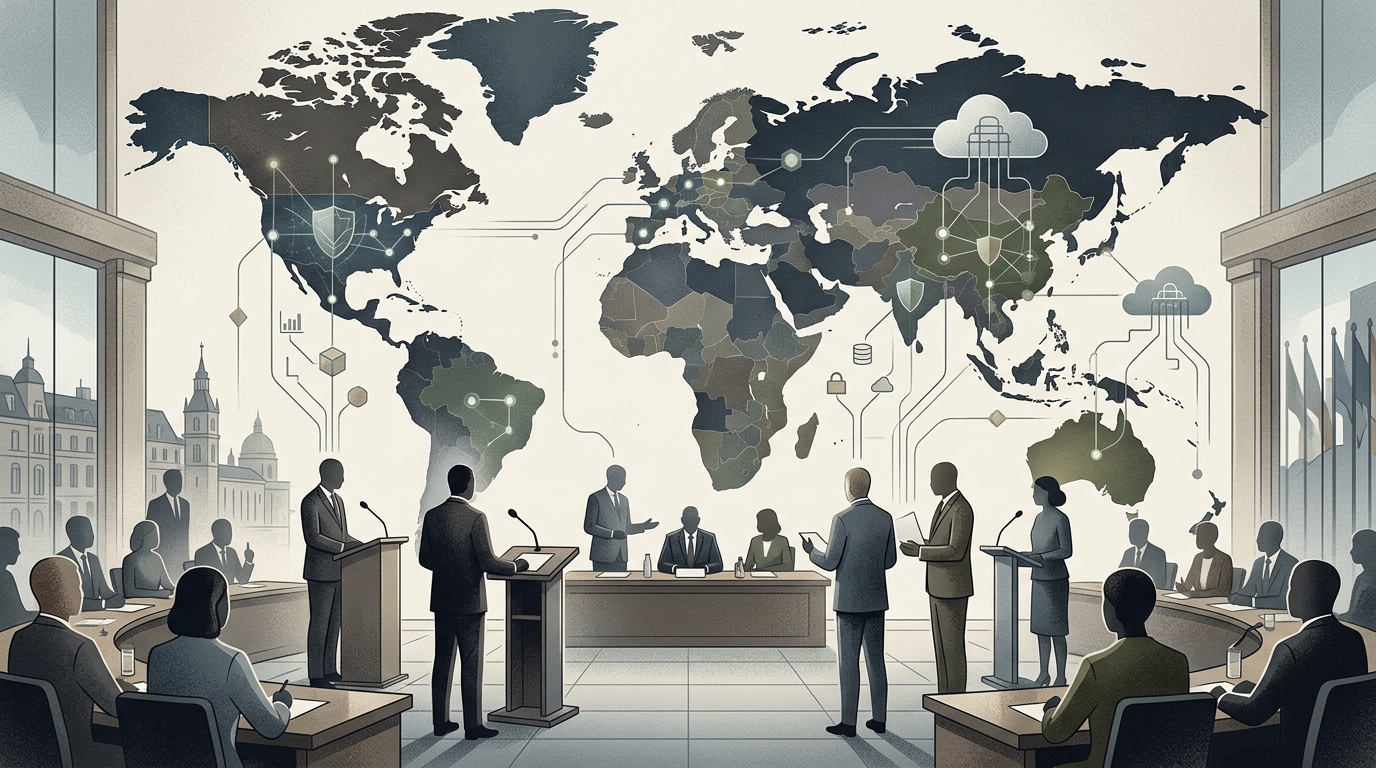
Perhaps the most serious consequence of the conflict is the geopolitical vacuum it created. The US focus on Iran allowed China to expand its influence through the "Belt and Road Initiative," signing long-term cooperation agreements with both Tehran and Riyadh. The Middle East is no longer an exclusively American sphere of influence. Russia, for its part, consolidated its role as the region's "power broker," maintaining open lines of communication with all sides.
The aftermath finds Iran as a wounded but dangerous power. Isolation has led to a radicalization of the youth, not toward democracy, but toward a nationalism fueled by a sense of injustice. The "wounds" that remain are not just material; they are psychological and political, and they will define the region's path for the next generation. History will show whether Trump won a battle while losing control of one of the world's most critical regions.