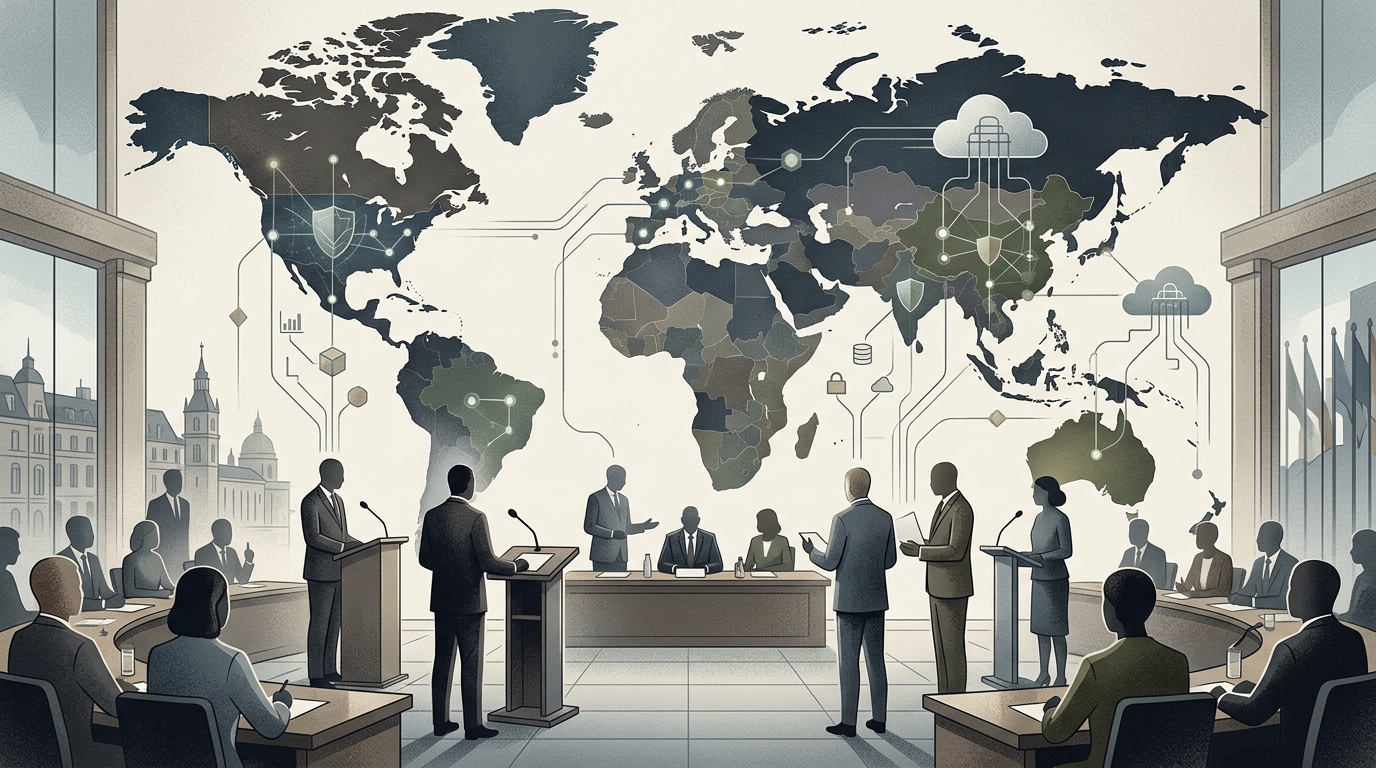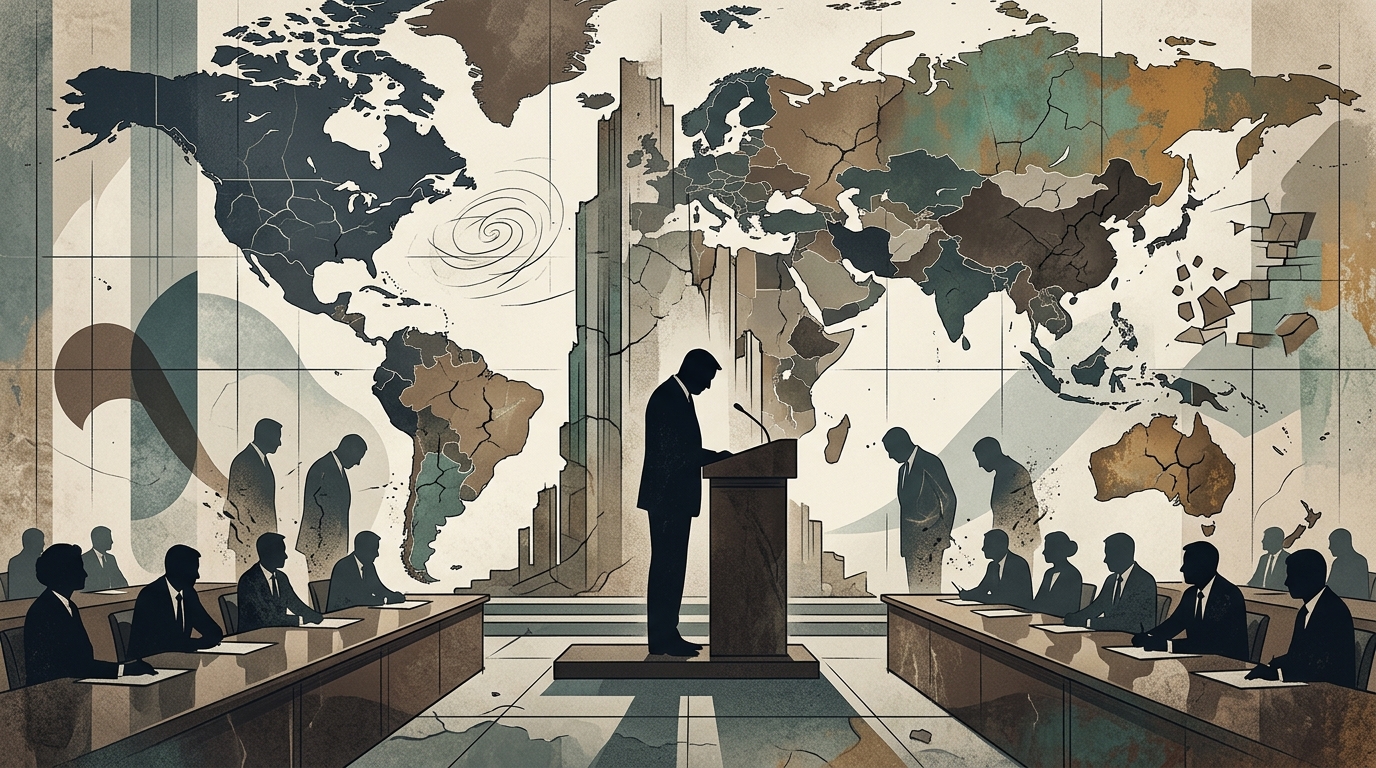
The news of Keir Starmer’s resignation as Prime Minister of the United Kingdom, just two years after his historic landslide victory, is reverberating through the corridors of power from Washington to Brussels. This is not a localized instance of political misfortune, but a clarion call: "political time" has accelerated to a degree that renders governance nearly impossible. In London, June 2026, the sense of hope that accompanied Labour’s return to power has been replaced by a cynical acceptance of failure.
The End of the Political Honeymoon
When Starmer took the helm, he promised a "decade of national renewal." However, the reality of governing in a world of "polycrisis"—where climate change, economic stagnation, and geopolitical tensions collide—proved insurmountable. His fall was not caused by a single scandal, but by the gradual, relentless erosion of trust. Voters, conditioned by the speed of the digital age, demand immediate results that the bureaucratic machinery of the state simply cannot deliver.
Analysis suggests that Starmer was trapped in a pincer movement of fiscal constraint and sky-high expectations. His inability to reform the National Health Service (NHS) and tackle the cost-of-living crisis, despite his promises, created a vacuum quickly filled by populism. This phenomenon is not uniquely British; we see similar trends in Macron’s France and Scholz’s Germany, where leader popularity collapses in record time.
The Tyranny of Expectations in the Digital Age
A primary driver of this rapid decay is the role of AI and social media in shaping public sentiment. Information—and disinformation—now travels at the speed of light, making it impossible for any government to control the narrative. Algorithms tend to amplify outrage and discontent, creating an environment of permanent polarization. In Starmer’s case, every minor policy retreat or compromise was magnified into a national betrayal within hours.
"Democracy requires time for deliberation, but the digital citizen demands satisfaction here and now. This incompatibility is the greatest threat to Western stability," notes a senior analyst at CNN.
Furthermore, the rise of deepfakes and targeted influence campaigns has made distinguishing between reality and manufactured crises exceptionally difficult. Starmer found himself facing an opposition that wasn't confined to the benches of Parliament but extended across a global network of digital platforms feeding institutional distrust.
Systemic Crisis, Not Personal Failure
It would be a mistake to attribute Starmer’s downfall solely to personal flaws or strategic errors. The problem is systemic. Western democracies are built upon 20th-century social contracts that are no longer fit for 21st-century challenges. Deindustrialization, aging populations, and the necessity of a costly green transition create pressures that no leader can navigate without sparking social backlash.
- The erosion of the middle class is driving political radicalization.
- A lack of future-oriented vision is being replaced by nostalgic longing for the past.
- International institutions are failing to provide solutions to global problems.
The UK serves as the "canary in the coal mine." If a government with such a massive majority could not maintain its mandate for more than two years, what does that imply for coalition governments across the rest of Europe? Political instability is becoming the new normal, with dire consequences for the continent’s economy and security.
The Lesson for Europe and the West
The message to the West is clear: the era of "great leaders" who can solve everything with an electoral win is over. A radical reset of how we perceive governance is required. Leaders must be more honest about the limitations of their power, and citizens must understand that complex solutions take time.
Starmer’s fall signals the need for a new form of politics—more participatory and less personality-driven. If the West cannot find a way to stabilize its political systems against the digital and economic storm, then Starmer’s resignation will be just the beginning of a long period of chaos. The question is not who will succeed him, but whether the system itself can sustain the next occupant of Downing Street.