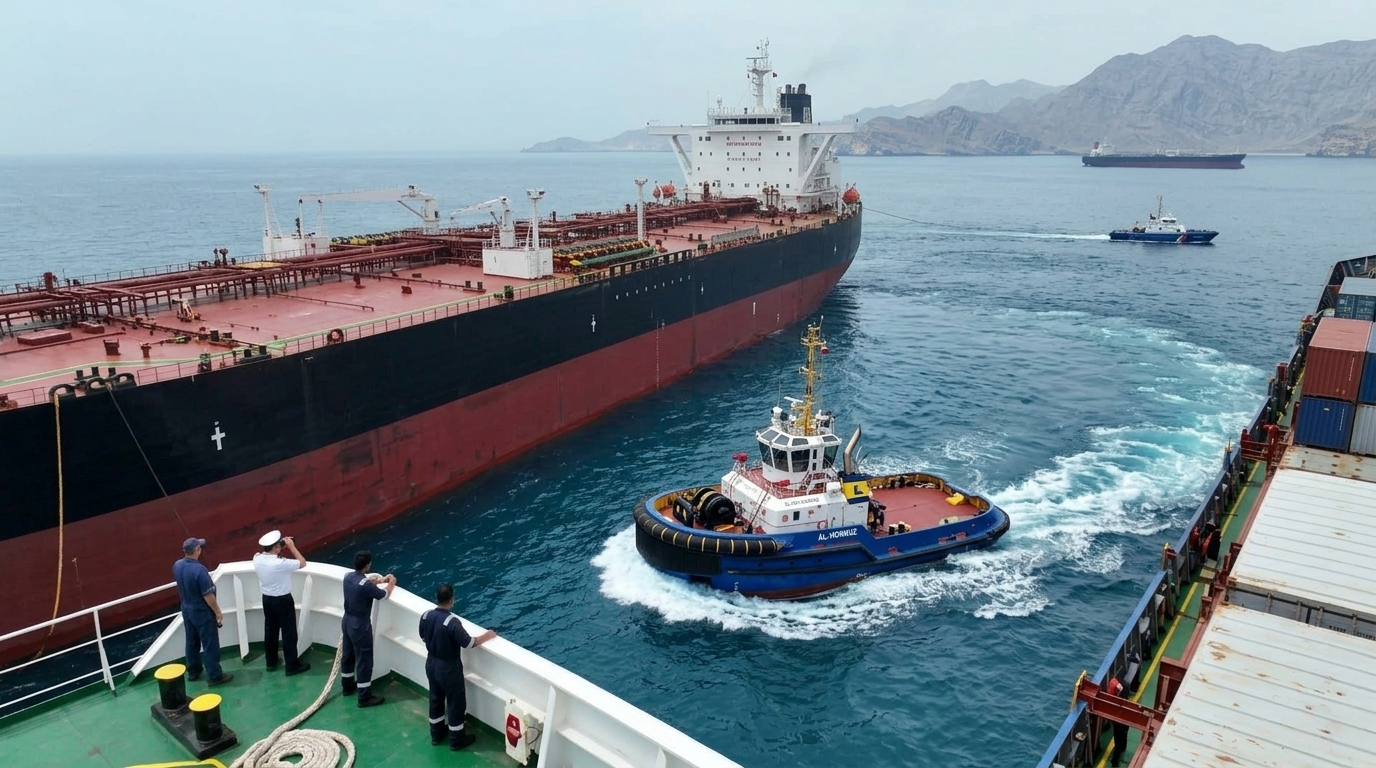
Monday, June 22, 2026, began with a sense of cautious optimism for global shipping and energy security. According to the latest data from geospatial analysis systems and AIS (Automatic Identification System) streams, the rate of transits through the Strait of Hormuz has shown a 15% increase compared to the previous 24-hour period. This development is not coincidental; it aligns with intensive diplomatic contacts in Geneva, where representatives from Washington and Tehran appear to have reached an informal "moratorium" to avoid provocations in the region.
The Strategic Significance of Hormuz and the New Reality
The Strait of Hormuz remains the most critical artery on the global energy map. Approximately 20% of global oil consumption passes through this narrow passage, making it the ultimate geopolitical barometer. The recent surge in traffic reflects the immediate reaction of Protection and Indemnity (P&I) Clubs, which have begun to reassess war risk premiums, allowing more tankers to schedule transits without the prohibitive costs seen in previous weeks.
However, the traffic pattern is not just about volume, but also about the quality of surveillance. Today, navigation in the Strait is supported by advanced Artificial Intelligence systems that analyze vessel behavior in real-time. The ability of algorithms to detect deviations from planned routes or suspicious movements of small craft has provided a new layer of security, reducing the likelihood of accidents or misunderstandings that could trigger a new crisis.
Greek Shipping at the Forefront
For the Greek shipping community, which controls a massive portion of the global tanker fleet, developments in the Strait of Hormuz are of vital importance. Greek shipowners, traditionally present in the most challenging geopolitical zones, are closely monitoring the movements of the US Fifth Fleet and Iranian forces. The resumption of transit pace means stabilized freight rates and improved supply chain management for markets in Asia and Europe.
- 12% increase in VLCC (Very Large Crude Carriers) transits over the last 12 hours.
- Reduction in waiting times off the coast of Fujairah.
- Enhanced presence of autonomous surveillance systems by the international coalition.
AI and Predictive Geopolitics
The use of AI in predicting geopolitical risks has become an integral part of the shipping industry in 2026. Machine learning models process millions of data points—from diplomatic cables and social media posts to troop movements via satellite imagery—to provide a "risk score" for the Strait. The current de-escalation was confirmed by these models several hours before official announcements, allowing fleet managers to make timely decisions.
"Stability in the Strait of Hormuz is never a given; it is the result of a constant balance of power and technological superiority," notes a maritime market analyst in Dubai.
In conclusion, while transits are increasing, the international community remains vigilant. The fragile nature of diplomacy in the Middle East means that technological surveillance and digital analysis will continue to serve as the guardian of the smooth flow of "black gold" to global markets. Today's snapshot is a victory for diplomacy, but also a testament to the power of data in the modern geopolitical chessboard.