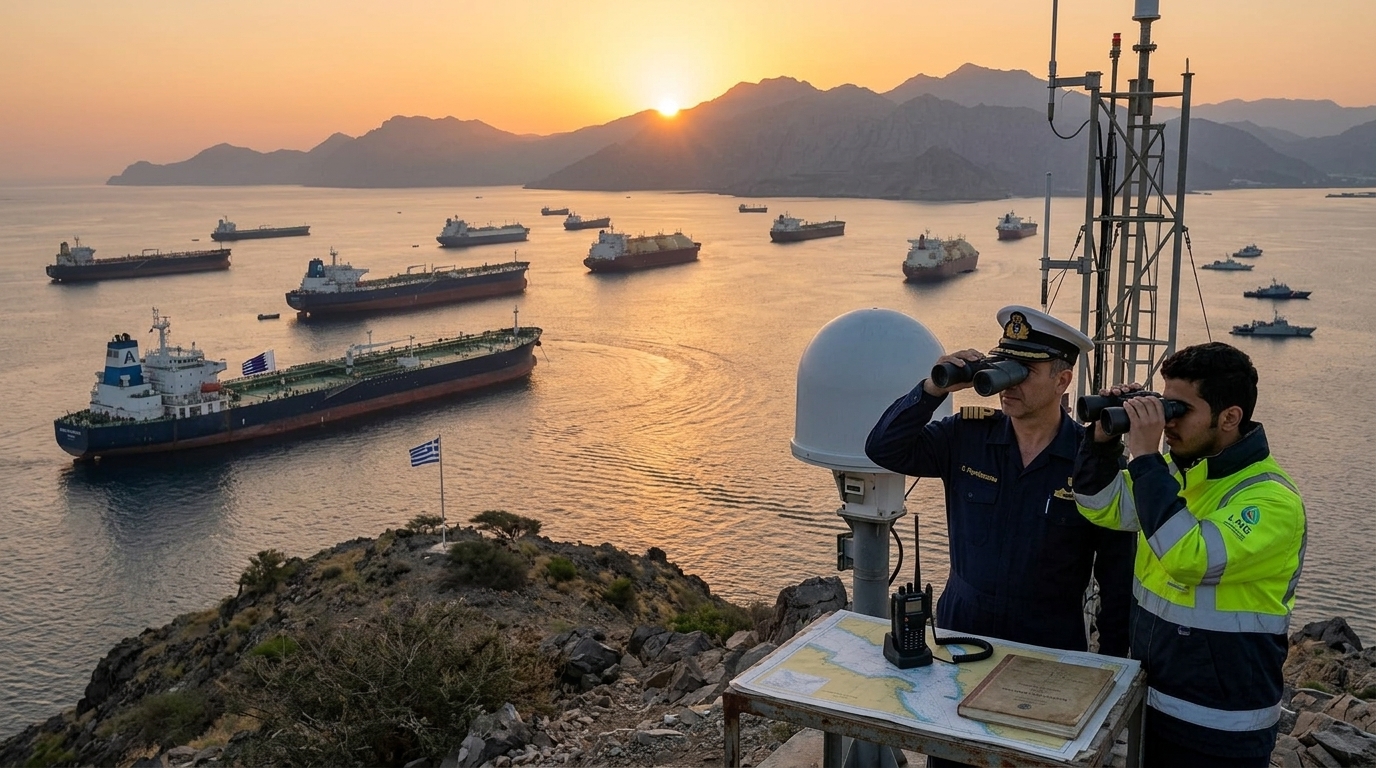
The Strait of Hormuz, the world's most sensitive and strategically vital maritime chokepoint, is once again at the center of global attention. As of June 2026, energy flows through this narrow passage are recording a significant rebound, signaling a new phase in international relations and the global economy. The resurgence of Iranian oil exports, coupled with the full restoration of Qatari LNG shipments, is reshaping the security and trade landscape of the Persian Gulf.
Tehran's Return and Oil Market Dynamics
According to the latest ship-tracking data, crude oil exports from Iran have reached their highest levels in years. Despite sanctions technically remaining in place, the reality on the ground suggests a tacit tolerance or a strategic shift by major powers, allowing Iranian crude to reach Asian refineries, primarily in China. Tehran has successfully optimized its logistics chains, utilizing both its sovereign fleet and complex transshipment networks to ensure a steady stream of revenue essential for its domestic economic stability.
This increase is not merely quantitative but also qualitative. Analysts note that Iran is now exporting larger volumes of gas condensates, which are vital for the petrochemical industry. The flow through the Strait of Hormuz is currently proceeding with unprecedented smoothness, suggesting a temporary—though fragile—de-escalation of tensions between Tehran, its neighbors, and the United States. This relative calm has allowed for more predictable scheduling and lower immediate risk premiums for regional operators.
Qatari LNG and European Energy Security
Parallel to the oil flows, Liquefied Natural Gas (LNG) from Qatar continues to serve as the "lungs" of the global energy market. Following a period of scheduled maintenance and geopolitical jitters, Qatari LNG tankers are traversing the Strait with increased frequency. For Europe, which continues its quest to diversify away from Russian pipeline gas, Qatar remains the most reliable long-term partner. Stability in the Strait of Hormuz is therefore directly linked to the cost of heating and electricity in European capitals.
The return to full-scale shipments from Qatar coincides with the completion of new liquefaction infrastructure in the region, making the Strait even busier. Long-term supply agreements signed by Doha with Asian and European giants require the unhindered passage of at least 15-20 large LNG carriers daily—an operation that demands precision and international cooperation to maintain maritime safety and security.
The Pivotal Role of Greek Shipping
In this complex geopolitical puzzle, the role of Greek-owned shipping is more than just prominent—it is indispensable. Greek interests control a massive percentage of the world's tanker fleet, and their presence in the Strait of Hormuz is constant. Recent reports indicate that Greek-owned vessels, flying various flags but managed from Piraeus and Athens, are crossing the passage carrying both Iranian crude (under specific conditions) and Qatari LNG.
The ability of Greek shipowners to navigate "troubled waters"—both literally and diplomatically—is legendary. Risk management, high insurance premiums, and the need for protection against potential harassment are part of daily life for crews and management companies. Greece's participation in international naval missions to protect navigation in the wider region enhances the country's status as a pillar of stability while simultaneously safeguarding the interests of the world's largest merchant fleet.
"The security of the Strait of Hormuz is not a local issue; it is the backbone of global prosperity. When ships move freely, the global economy breathes," says a senior shipping executive in Athens.
Conclusions and Future Outlook
The current situation in the Strait of Hormuz demonstrates that energy remains the ultimate regulator of international relations. The need for affordable oil and sufficient natural gas often transcends ideological and political differences. However, the balance remains delicate. Any flare-up in the region could send energy prices skyrocketing and trigger a global inflationary shock. For now, the "flow" continues, with Greek shipping acting as the guarantor of transport and the region seeking a new normalcy amidst persistent uncertainty.