For over a century, global geopolitics was dictated by the control of energy sources. Wars were fought over oil, alliances were forged around gas pipelines, and the strength of nations was measured in barrels and hydrocarbon reserves. Today, as we navigate through mid-2026, this picture belongs to the past. The new Cold War frontline, dividing East from West and North from South, is no longer black gold. It is silicon and algorithms.
Artificial Intelligence (AI) has transformed from a productivity tool into a weapon of strategic dominance. A nation's ability to train large-scale models (LLMs), simulate complex systems, and automate decision-making on the battlefield is now the new criterion for national sovereignty. Just as nuclear power defined the 20th century, "Compute Sovereignty" defines the 21st.
The Shift from Hydrocarbons to Semiconductors
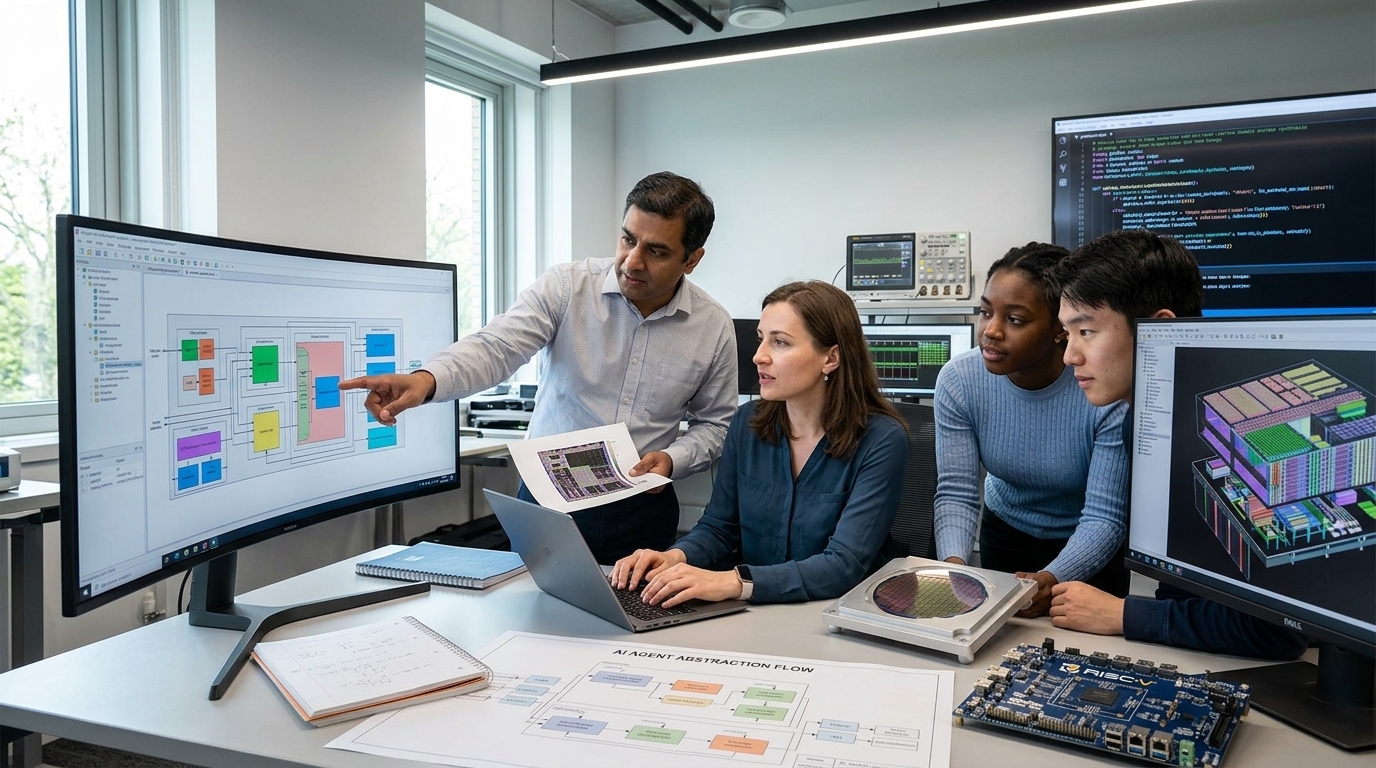
The US-China conflict over advanced semiconductors is not a mere trade dispute. It is the modern race to control the "refineries" of the new era. GPUs and AI accelerators are the new oil wells. Without access to chips from Nvidia or TSMC, an economy risks becoming "digitally starved," unable to keep up with the pace of global evolution.
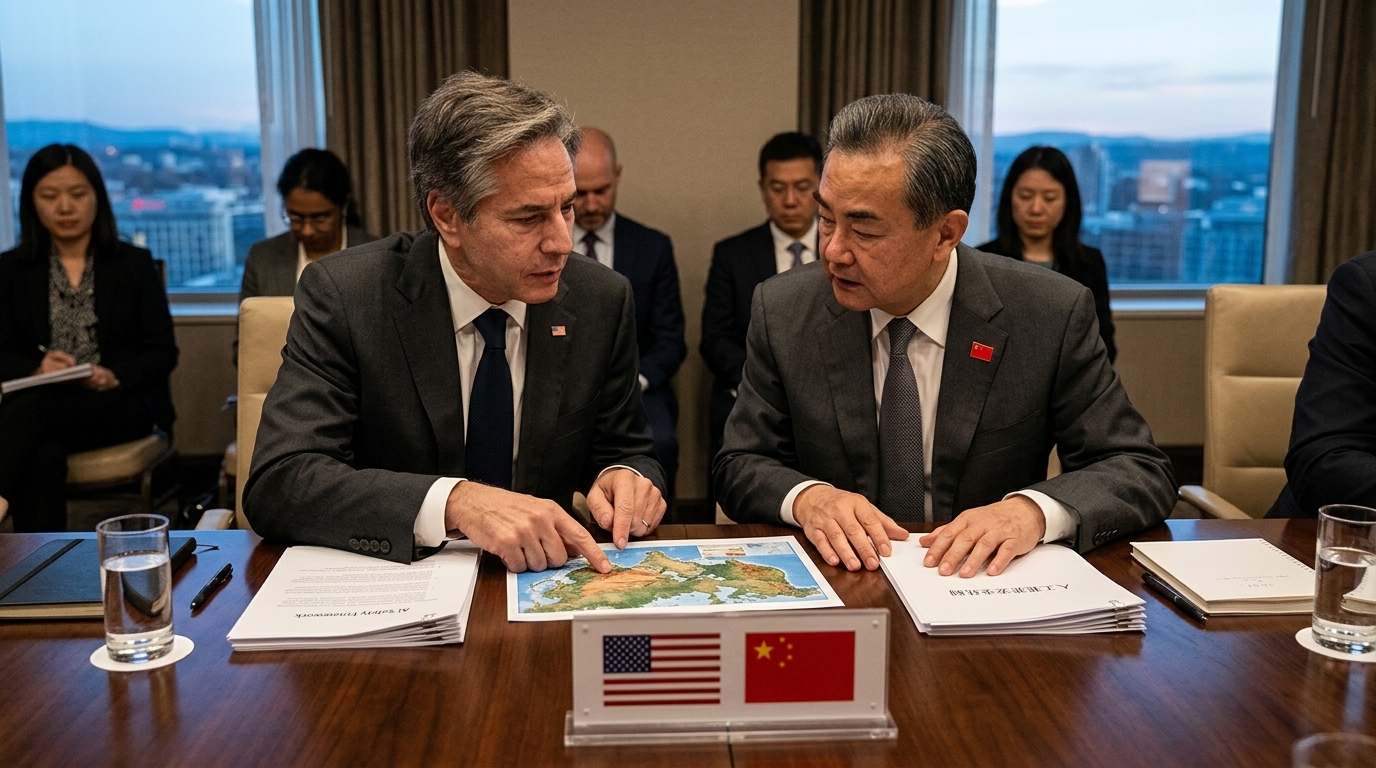
The United States has adopted a strategy of "containment," restricting China's access to cutting-edge technology. On the other hand, Beijing is investing trillions of yuan to achieve full self-sufficiency in the semiconductor supply chain. This "Digital Iron Curtain" does not just divide regions; it divides technological ecosystems, forcing the rest of the world to choose sides.
The Geopolitics of "Sovereign AI"
Beyond the superpower rivalry, the concept of "Sovereign AI" is emerging. Countries like Saudi Arabia, the UAE, and European nations like France realize they cannot rely solely on models trained in California or Shenzhen. Developing domestic AI infrastructure is now considered as critical as national defense.
- Energy Demand: The data centers hosting AI require massive amounts of energy, leading to a paradoxical return to nuclear energy and renewables as support mechanisms for technology.
- Data Diplomacy: A nation's citizen data is now viewed as a national resource that should not be exported uncontrollably.
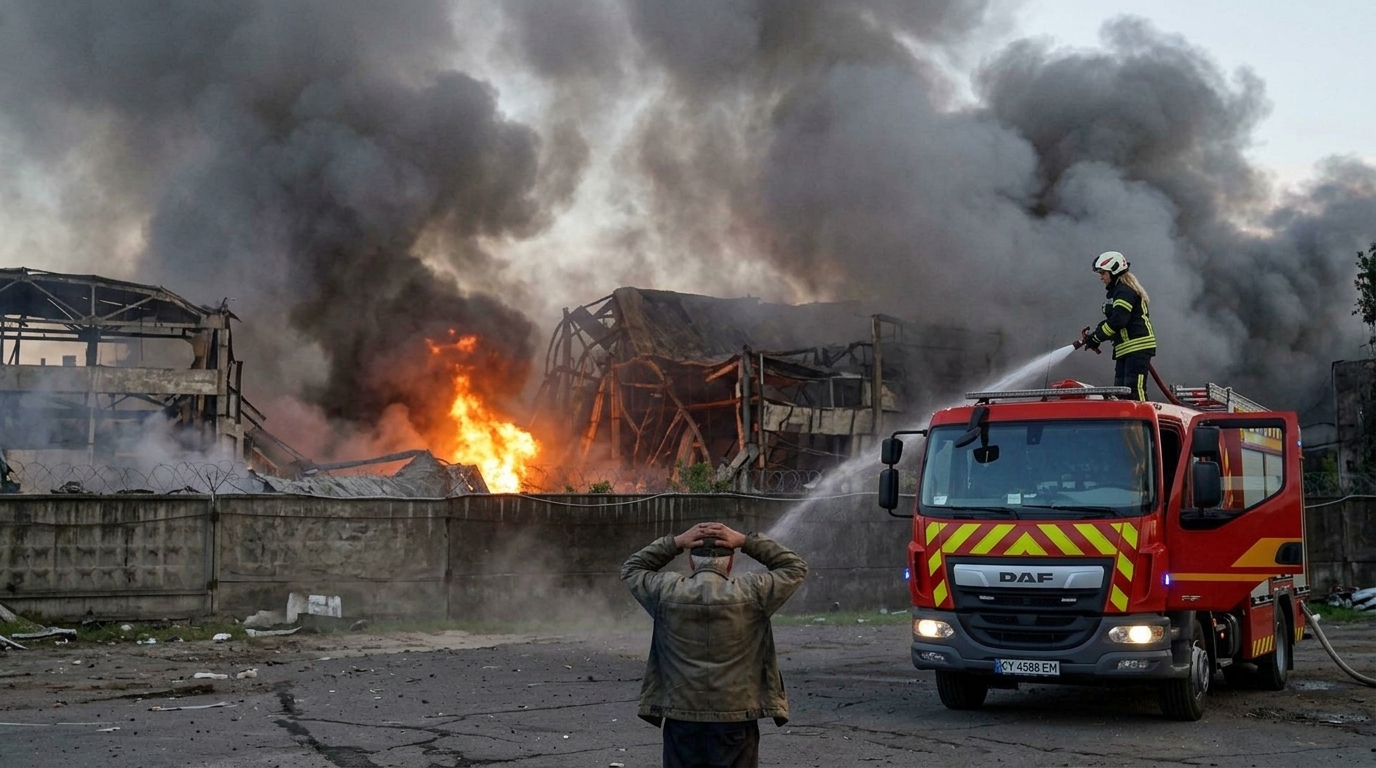
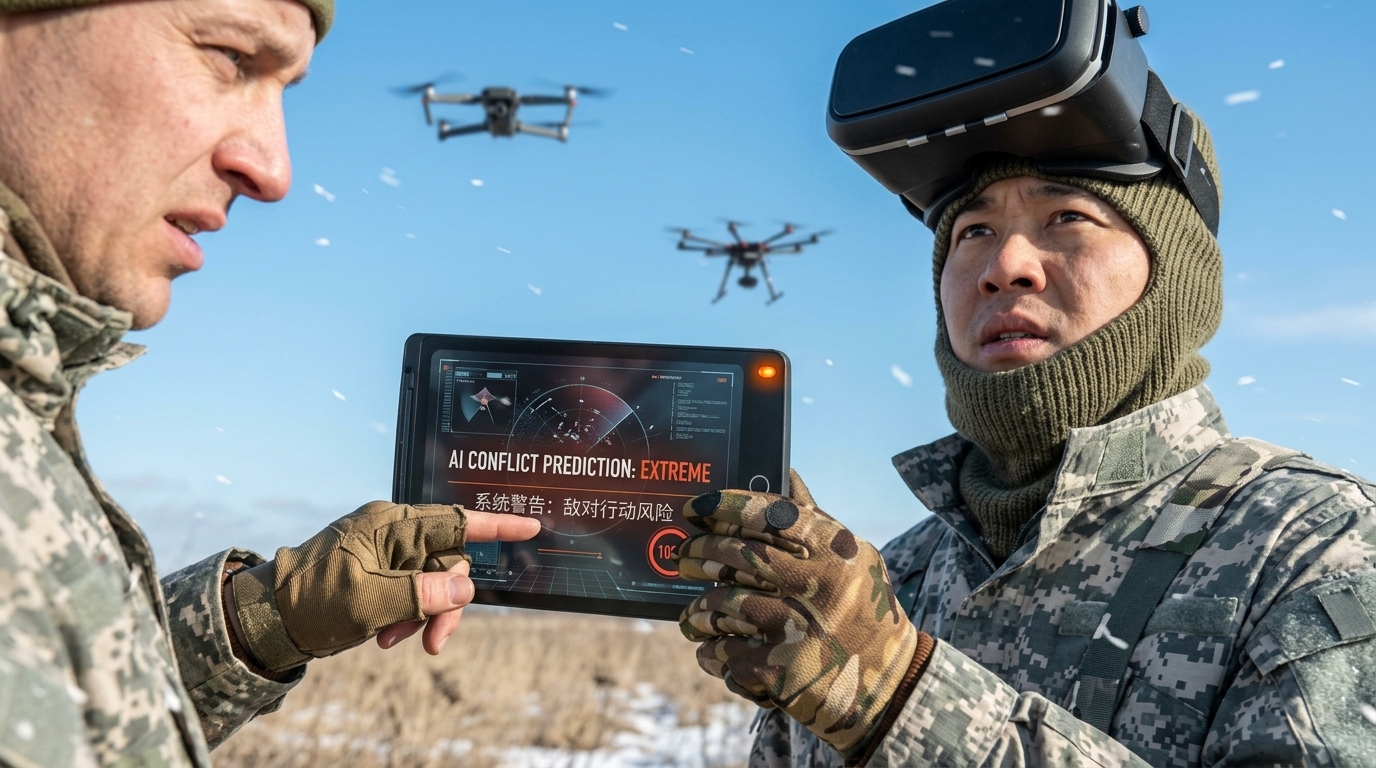
- Military Application: From autonomous drones in Ukraine to cyber-defense systems in the Pacific, AI is the "force multiplier" rendering traditional weapons obsolete.
Europe Caught Between Two Fires
The European Union is trying to play the role of the "regulator," focusing on ethics and legislation (the AI Act). However, many analysts warn that in a world where power is measured in flops (floating-point operations per second), excessive regulation without corresponding investment in hardware may lead to geopolitical marginalization. Europe risks becoming a "digital museum" while the US and China build the future.
"Whoever becomes the leader in this sphere will become the ruler of the world," Vladimir Putin stated in 2017. Today, in 2026, this prediction seems to be coming true in the most dramatic way.
In conclusion, the transition from oil geopolitics to AI geopolitics is not just a technical change. It is a fundamental realignment of the global order. The peace and stability of the future will not depend on the flow of crude oil, but on transparency, ethics, and balance in the distribution of computational intelligence.