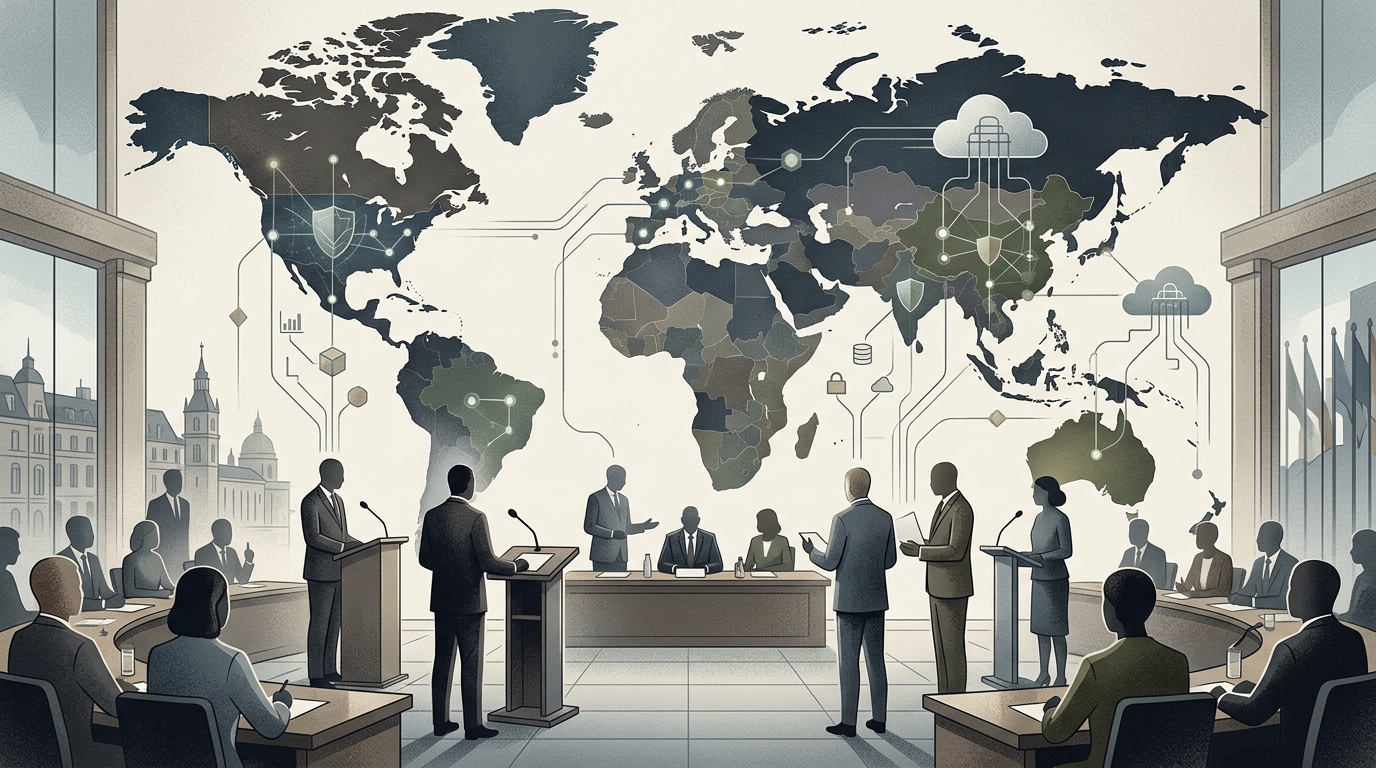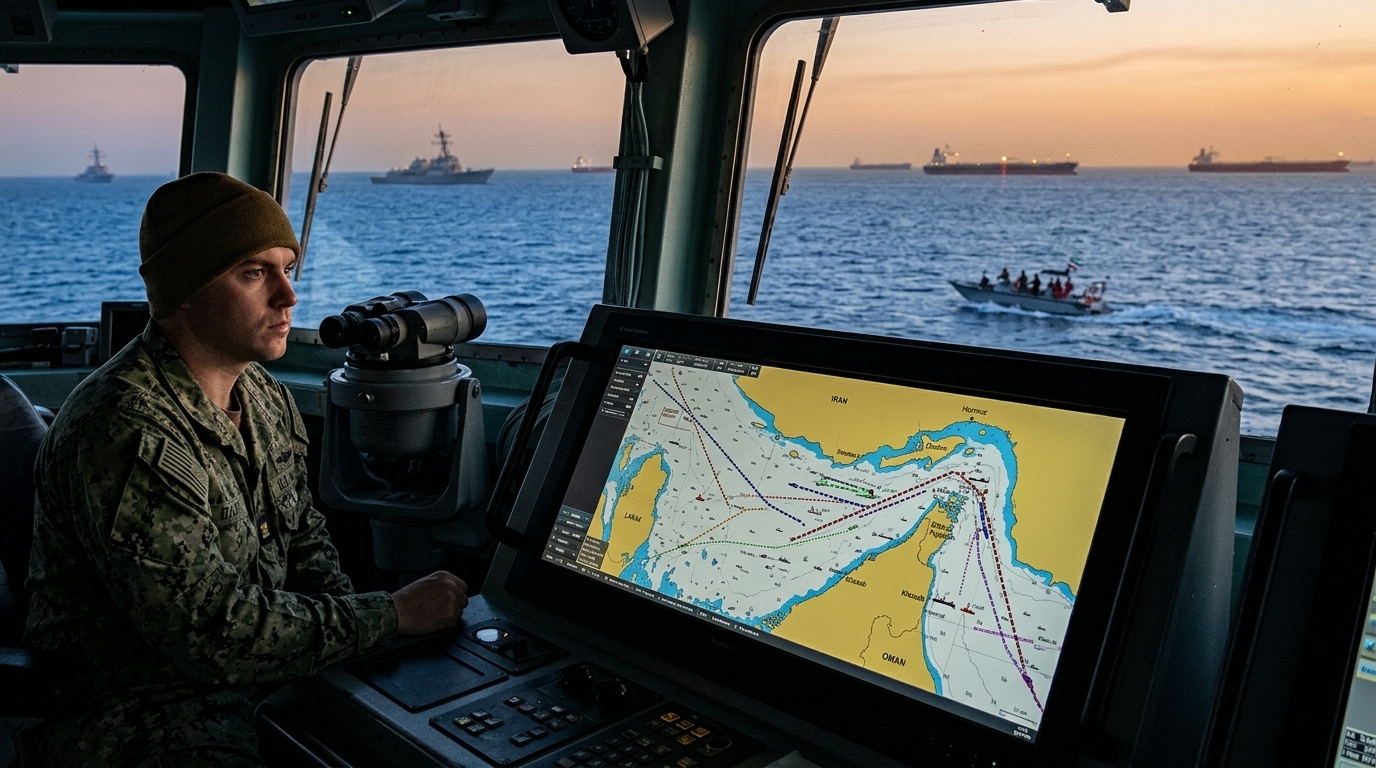
The history of global geopolitics has often been written in narrow passages, where geography meets power and economics meets national sovereignty. Today, in 2026, the Strait of Hormuz returns to the center of international concern, serving as the stage for a dangerous confrontation between Tehran and Washington. With 20% of the world's oil consumption passing through this narrow maritime gateway, any instability is not merely a regional issue but a direct threat to the global economic architecture.
Tehran's Doctrine: Sovereignty and Leverage
Iran, under the pressure of ongoing sanctions and diplomatic isolation, appears to be adopting a new, more aggressive strategy in the Strait. For Tehran, control of Hormuz is not just a matter of national security, but the ultimate bargaining chip. Recent statements by Iranian officials regarding a "legal right to police" the waters suggest an attempt to redefine the navigation regime in the region. The use of unmanned aerial vehicles (drones) and fast attack craft by the Revolutionary Guard to harass commercial vessels is a "gray zone" tactic designed to provoke without necessarily triggering a full-scale war.
The Iranian leadership understands that the West is vulnerable to energy prices. At a time when the global economy is trying to recover from the inflationary pressures of previous years, a spike in crude oil prices would be catastrophic. Thus, Iran uses its geographical advantage to force concessions from the US, whether these concern its nuclear program or the release of frozen funds in international banks.
Washington's Response: Deterrence and "Open Options"
For its part, the US President has made it clear that freedom of navigation is "non-negotiable." The reinforcement of the US Fifth Fleet in the region and the deployment of new counter-drone systems show that Washington is preparing for every eventuality. The rhetoric of "all options on the table" is not new, but in 2026 it takes on a new weight as US technological superiority is tested by Iran's asymmetric threats.
The US is not acting alone. They are attempting to build an international maritime protection alliance, calling on nations like the UK and France, as well as regional players like Saudi Arabia and the UAE, to take a more active role. However, the hesitation of some allies, who fear Iranian retaliation on their own soil, complicates the American strategy. Washington faces a dilemma: a dynamic military response could halt Iranian provocations, but it also risks setting the entire Middle East ablaze.
Impact on Global Energy and Security
The stakes in the Strait of Hormuz go beyond the limits of military power. This is a test of the resilience of global supply chains. If the Strait were to close even for a few days, the consequences would be immediate:
- Oil prices skyrocketing above $120 per barrel.
- Increased shipping insurance premiums, which will be passed on to the final consumer.
- Disruptions in supply to Asia, which relies heavily on Gulf oil.
"The Strait of Hormuz is not just a geographical point; it is the artery of global industry. Anyone who attempts to block it is playing with fire," said a senior energy security analyst.
The international community is watching with bated breath. Diplomatic channels remain open, but the lack of trust between the two sides is greater than ever. Iran is betting on Western fatigue, while the US is betting on Tehran's economic suffocation. In this game of attrition, the risk of an accident or misinterpretation is the most likely scenario that could lead to conflict.
Conclusion: The Fragile Balance
As we move into the second half of 2026, the situation in the Strait of Hormuz will remain the barometer of international relations. The solution cannot be purely military. A new security architecture is required in the region that recognizes the interests of all parties without allowing the blackmail of the global economy. Until then, ships crossing the straits will continue to sail in uncharted and dangerous waters, with peace depending on the composure of commanders in the field and leaders in the capitals.