

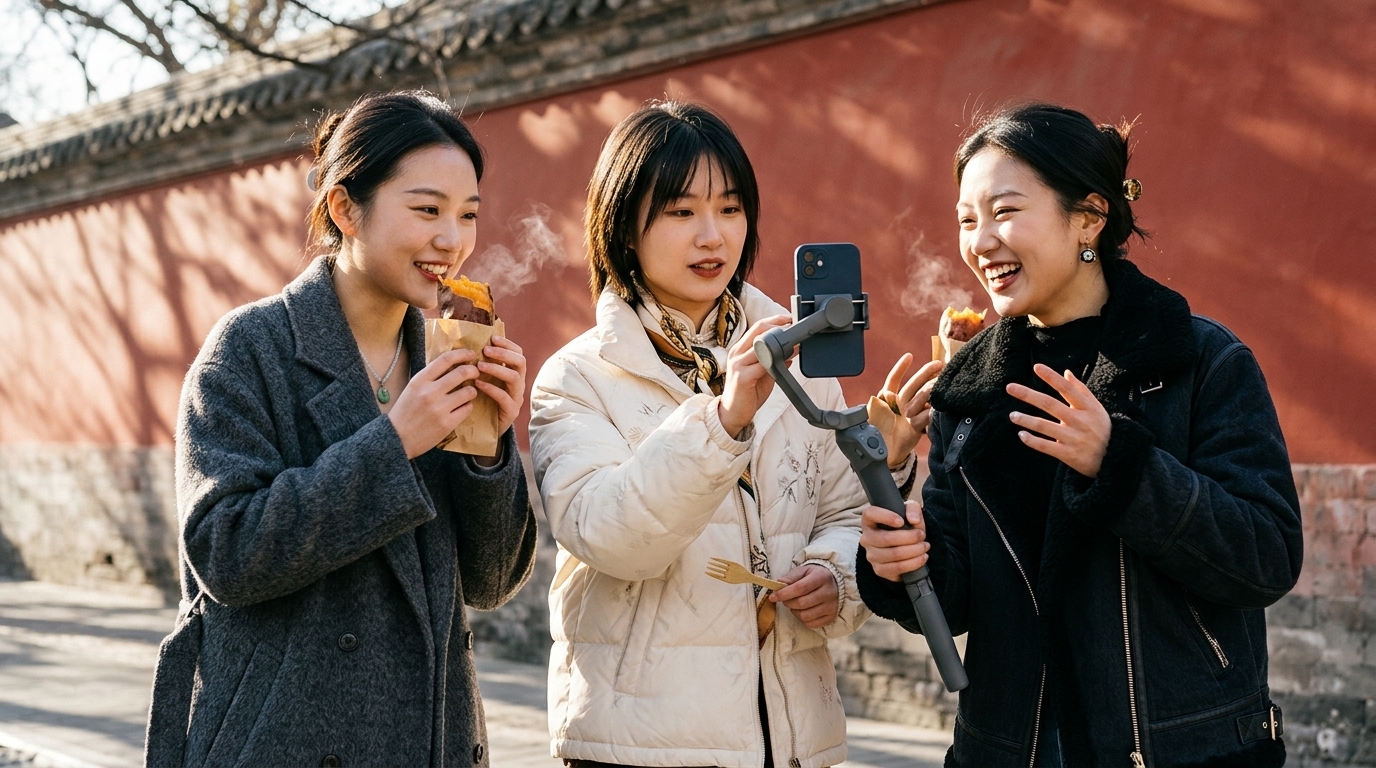
In the digital corridors of TikTok and Instagram, a new buzzword is beginning to dominate Gen Z discourse: 'Chinamaxxing.' The term, derived from internet slang 'maxxing' (maximizing a specific trait), describes a growing obsession among Western youth with Chinese urban aesthetics, technological efficiency, and cutting-edge infrastructure. However, analysts warn that this phenomenon is not necessarily an ideological shift toward communism, but rather a blistering critique of the perceived stagnation and decay of Western metropolises.
The Aesthetic of Efficiency
Chinamaxxing manifests through videos showcasing gleaming high-speed rail stations in Shenzhen, robotic restaurants in Shanghai, and pristine, safe parks in Chongqing. For a young person living in New York, London, or Paris—where subways are often delayed, streets are riddled with potholes, and a sense of insecurity is rising—these images function as a form of 'urban porn.' The comparison is inevitable and, for many, painful.
As sociologists point out, Gen Z is the first generation to have full, real-time access to the daily lives of other countries through Douyin (the Chinese version of TikTok). There, they don't see CCP propaganda; they see the lived experience of a peer who can walk at 3 AM in a Chinese megacity without fear, using a super-app that solves every problem from payments to healthcare.
An Indictment of American Decline
Fortune AI reports that Chinamaxxing is "less a love letter to Beijing than an indictment of America." The West, once the beacon of progress and technological supremacy, appears in the eyes of the youth to have fallen into a state of bureaucratic paralysis. Building a single subway line in California can take decades and cost billions, while in China, entire cities emerge from the ground in a matter of years.
- Infrastructure: The contrast between aging American trains and Chinese Maglev technology.
- Safety: Low crime rates in Chinese cities compared to the opioid crisis and urban decay in the US.
- Digital Integration: The seamless utility of WeChat versus the fragmented Western digital ecosystem.
This trend suggests a pivotal shift in soft power. While the US once dominated culturally through Hollywood and music, China is gaining ground through material reality and the palpable sense that "the future is happening over there."
The Geopolitical Implications
For Washington and Brussels, Chinamaxxing is a public relations nightmare. Despite efforts to highlight human rights violations and the lack of democracy in China, a significant portion of the youth seems willing to overlook the political cost in exchange for functionality and order. "I don't care if the government has my data if my train arrives on time and I can walk home safely," is a sentiment increasingly voiced on social media.
"Chinamaxxing isn't about ideology. It's about a desire for a world that works. Gen Z is tired of living in 'democracies' that can't fix a pothole," says one trend analyst.
In conclusion, this phenomenon serves as a wake-up call for the West. If liberal democracies cannot prove they can deliver the same quality of life and technological progress as autocratic regimes, they risk losing the faith of the next generation. Chinamaxxing is the mirror in which the West sees its own failures reflected with brutal clarity.




