

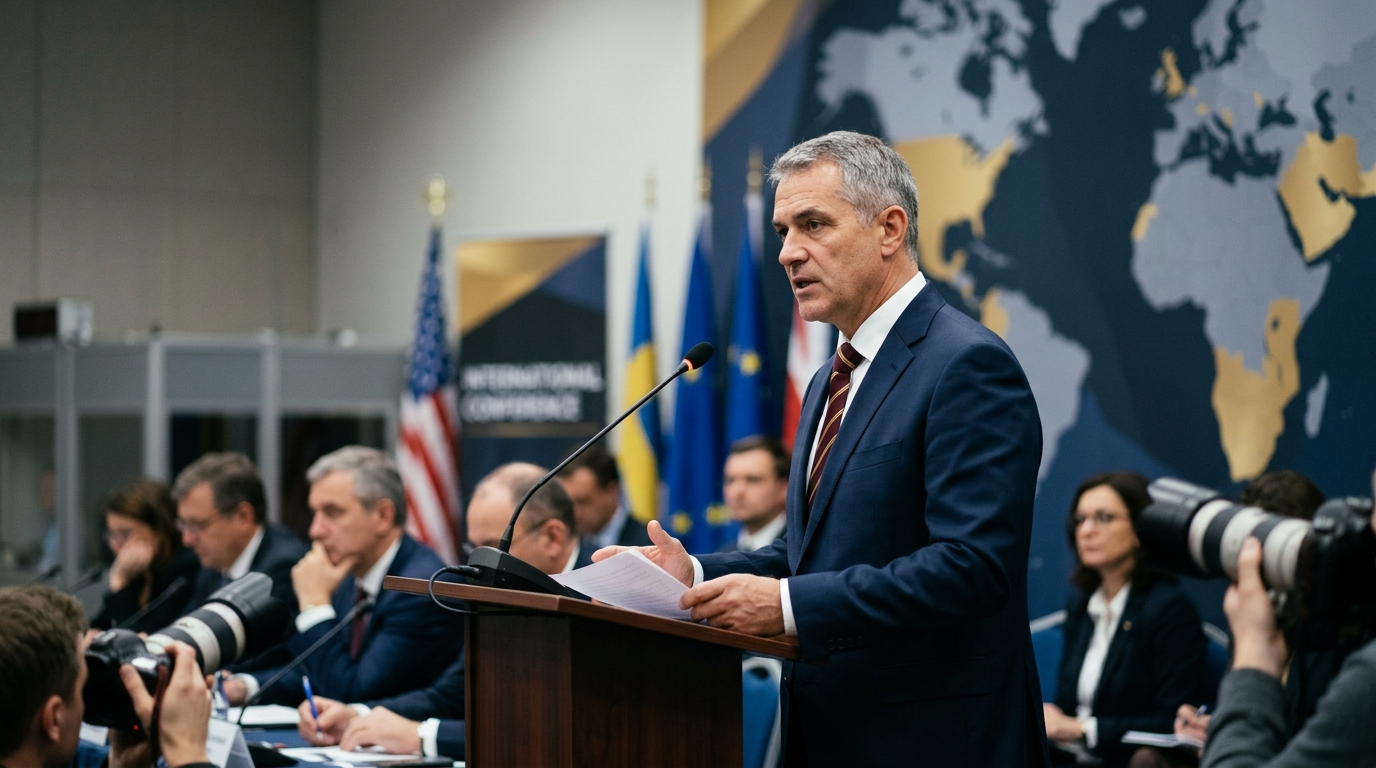
In the heat of June 2026, Washington finds itself at a critical crossroads that will define the future of global digital warfare. A powerful coalition of cybersecurity executives and tech leaders has intensified pressure on the Trump administration, calling for an immediate easing of export and usage restrictions on Anthropic’s advanced AI models. Their argument is straightforward yet chilling: current regulations, designed to prevent AI misuse, are now acting as a "digital handbrake" on American defense, while Western adversaries accelerate without ethical constraints.
The Rise of 'Fable' and the Defense Gap
The debate was sparked by the recent unveiling of "Fable," Anthropic’s latest model which promises unprecedented capabilities in coding and logical reasoning. While Anthropic, traditionally safety-oriented, has implemented rigorous filters to prevent the generation of malicious code, cybersecurity experts argue that these same filters hinder "ethical hackers" from using the model to identify vulnerabilities in U.S. networks before foreign actors exploit them.
According to reports, the Trump administration, which has adopted an "America First" stance on technology, is divided. On one hand, there is a desire for absolute dominance over China; on the other, there is a fear that the uncontrolled release of such powerful tools could lead to a new generation of cyberattacks that no one can intercept. Executives point out that models like Fable are essential for automated Incident Response, where AI speed far outpaces human capacity.
Geopolitical Chess and the China Factor
The geopolitical context is impossible to ignore. As Beijing continues to pour billions into models like DeepSeek and Qwen—which are not bound by the same Western regulatory frameworks—Washington fears a "Sputnik moment" in cyberspace. Restrictions initially imposed to prevent Anthropic from inadvertently aiding foreign powers now seem to be punishing the very American companies trying to fortify the nation’s critical infrastructure.
- The need for high-precision AI-driven Red Teaming.
- Pressure from Silicon Valley for less government intervention.
- The risk of intellectual property leakage to non-aligned states.
- The economic dimension: Anthropic is now a central pillar for AI investment interest.
The White House has already begun a review of executive orders concerning AI safety. Sources indicate the administration is considering a "safe harbor" for certified cybersecurity partners, who would be granted access to Fable’s full capabilities without the restrictions applied to the general public. However, critics of this approach fear that creating such exceptions could open a backdoor for espionage.
The Dilemma: Safety vs. Speed
Anthropic occupies a unique position. Founded by former OpenAI executives with a primary focus on safe AI development, it is now being asked to balance its founding values against market demands and national security requirements. The pressure on Trump is not just about Anthropic; it is a test of how the new administration will manage the entire AI ecosystem. If it yields, we may see an explosion of innovation but also increased risk. If it maintains restrictions, it risks leaving America vulnerable to digital assaults from rogue states.
"Artificial intelligence is the new nuclear arsenal, but with one difference: in AI, defense requires the exact same tools as offense. If we restrict one, we blind the other," said a senior security executive during a recent conference.
In conclusion, the push by cybersecurity leaders highlights a new reality: technology is no longer just a matter of profit or convenience, but the cornerstone of national sovereignty. The Trump administration’s decision regarding Anthropic will send a clear signal to investors, allies, and adversaries about which side of history Washington chooses to support in 2026.





