

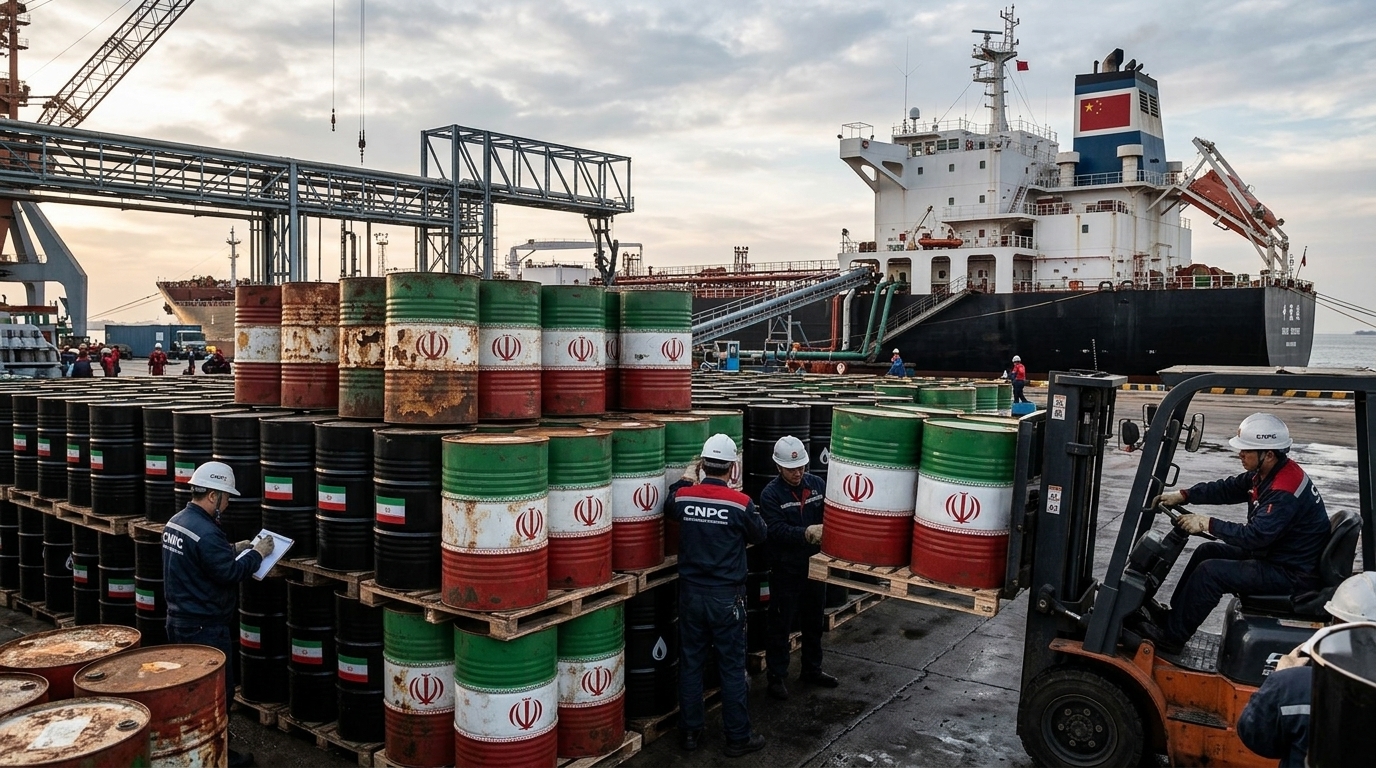
In a move that underscores Beijing's growing geopolitical assertiveness and the increasingly limited effectiveness of U.S. sanctions, China has moved to absorb a massive quantity of Iranian oil. According to recent reports and ship-tracking data, approximately 20 million barrels of Iranian crude departed for Chinese ports within an exceptionally short timeframe. This development is not merely a commercial transaction but a clear statement about the new world order in global energy.
The Shadow Fleet and the Art of Evasion
The transport of this vast quantity of oil did not occur through traditional channels. Instead, the so-called "shadow fleet" was utilized—a group of tankers that frequently change flags, names, and disable their Automatic Identification System (AIS) transponders to evade detection. Ship-to-ship (STS) transfers off the coast of Malaysia or in international waters are the standard modus operandi for concealing the cargo's origin, which is often rebranded as "Malaysian" or "Omani" crude before reaching Chinese refineries.
China's independent refineries, known as "teapots" in Shandong province, are the primary recipients of this oil. These units operate outside the direct control of major state-owned giants (like Sinopec), allowing Beijing to maintain a form of plausible deniability against Washington's diplomatic pressure. For these refineries, Iranian oil is offered at a significant discount compared to Brent crude, making it highly profitable despite the inherent risks.
The Strategic Nexus: Beijing-Tehran
The China-Iran relationship has deepened significantly following the signing of their 25-year strategic cooperation agreement. For China, Iran represents a crucial hub in the Belt and Road Initiative and a guaranteed source of energy not controlled by the West. For Tehran, Beijing is the economic lifeline that prevents the economy's collapse under the weight of "maximum pressure" sanctions.
The use of alternative financing networks is the key to this relationship. Transactions are increasingly conducted in Chinese Yuan (RMB), bypassing the SWIFT system and the US dollar. This process of de-dollarizing the energy trade is perhaps the most concerning development for long-term U.S. hegemony, as it creates a parallel financial system immune to U.S. Treasury sanctions.
Geopolitical Repercussions and the Future of Sanctions
The failure of sanctions to stop Iranian oil exports raises serious questions about the future of Western diplomacy. As long as China—the world's largest energy importer—is willing to absorb Iranian crude, sanctions will remain an incomplete strategy. Furthermore, the strengthening of ties within the BRICS+ block creates a protective enclave for countries targeted by the West.
In conclusion, the movement of 20 million barrels is a reminder that energy is the lifeblood of geopolitics. In a world moving toward multipolarity, traditional U.S. levers of pressure appear increasingly weak in imposing their will globally. China is not just buying oil; it is purchasing strategic autonomy and building a future where Washington no longer has the final word.





