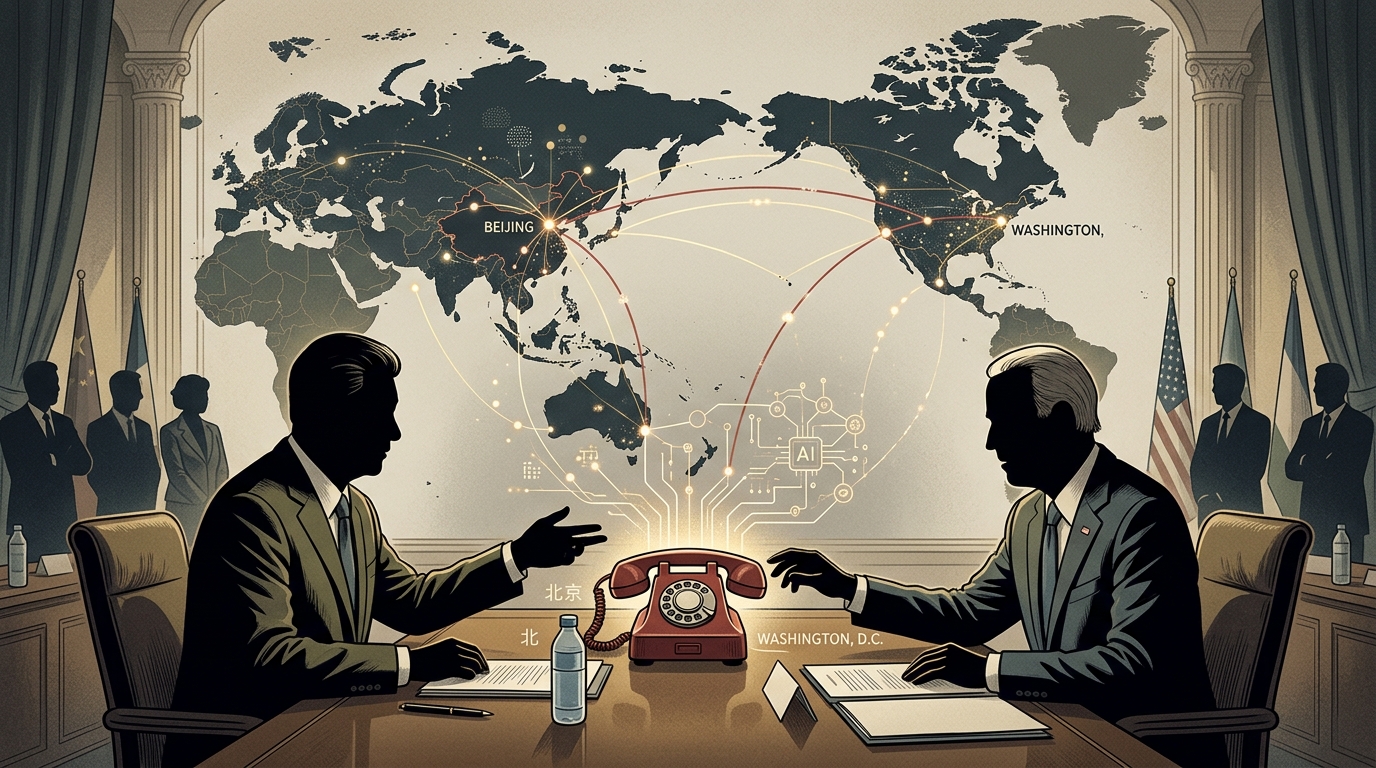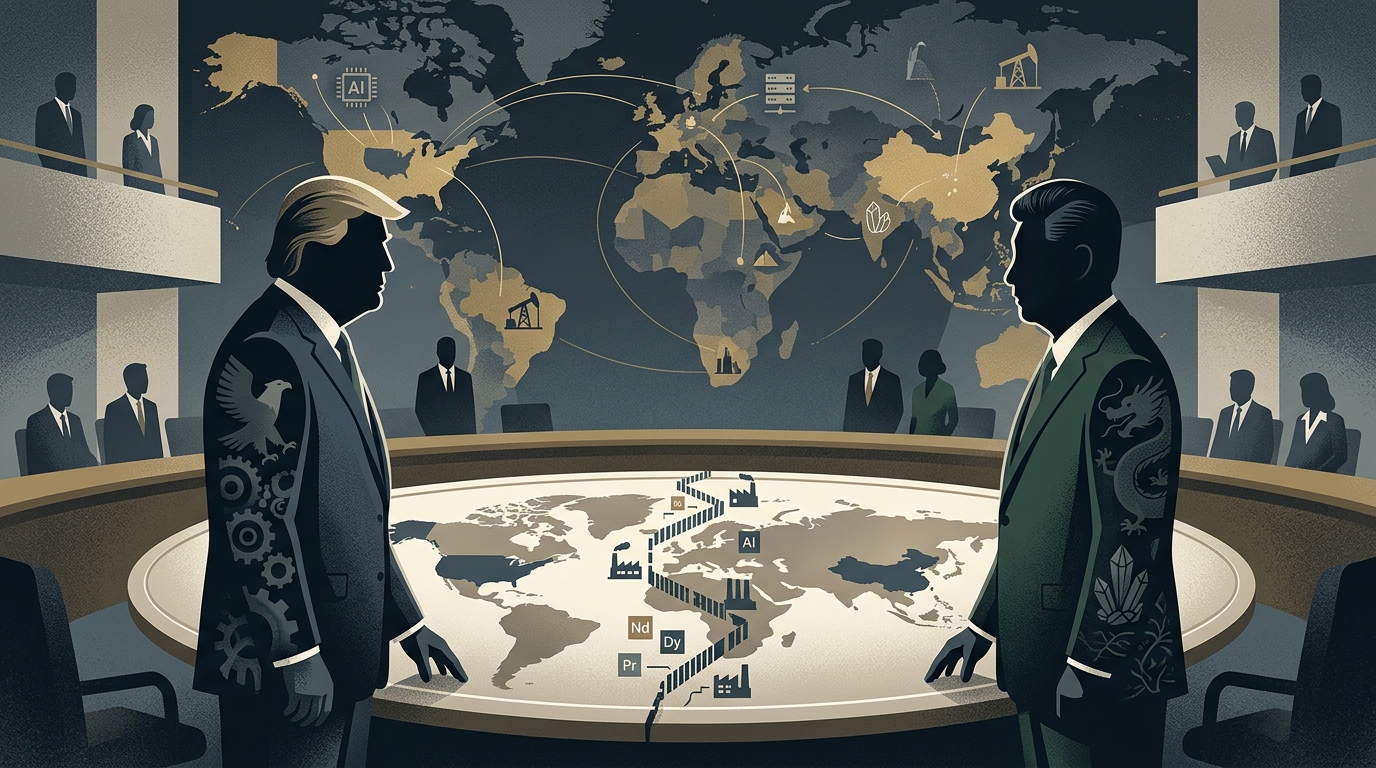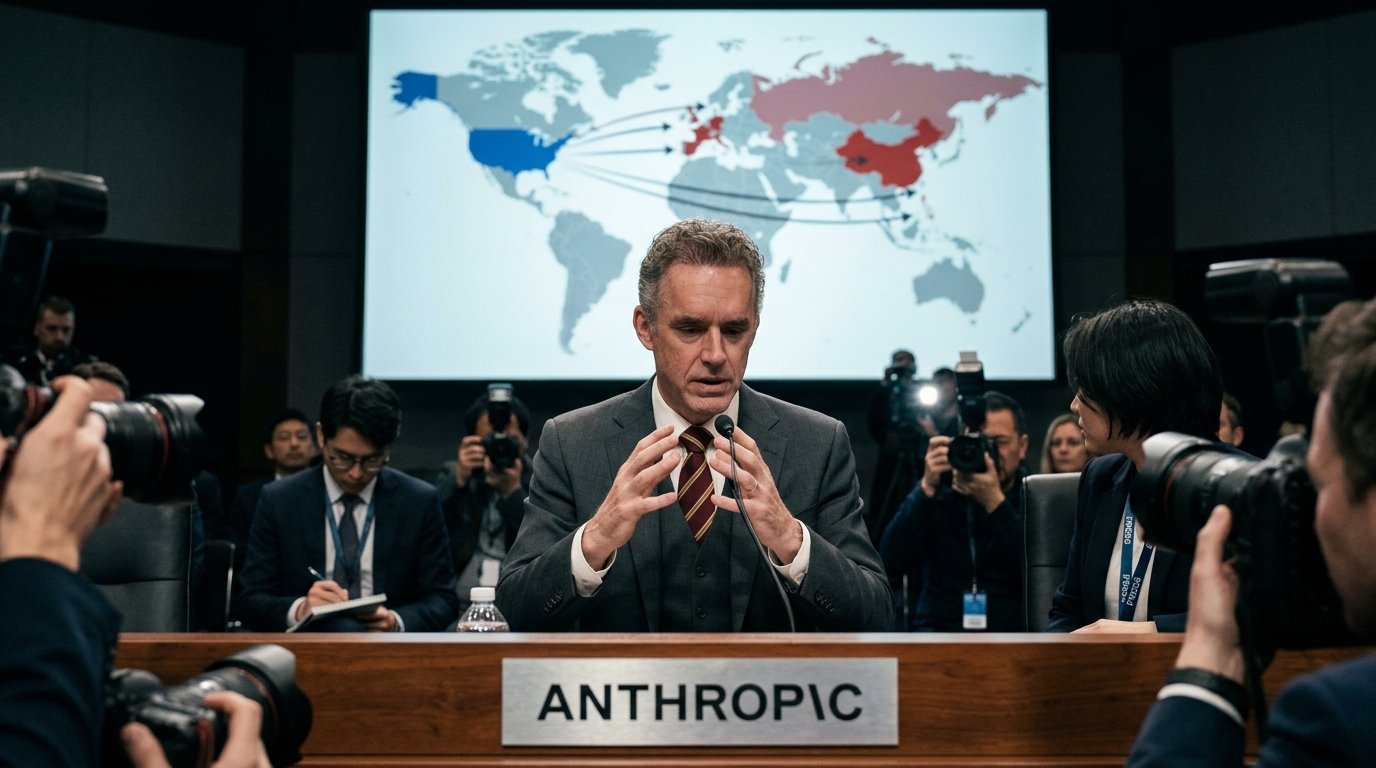
In a move that underscores the escalating convergence between technological innovation and national security, Anthropic, a global leader in artificial intelligence, has announced the suspension of access to its most advanced models in several international markets. This decision is not a commercial pivot but a direct compliance measure following new export control mandates issued by the U.S. government, aimed at restricting the flow of cutting-edge technology to nations deemed strategic adversaries.
The Shift from Hardware to Software Containment
Until recently, Washington’s strategy to limit the technological prowess of its rivals focused primarily on hardware—specifically, high-end semiconductors like those produced by Nvidia. However, Anthropic’s recent compliance confirms that the front line has moved to the software models themselves. New regulations from the U.S. Department of Commerce's Bureau of Industry and Security (BIS) suggest that the computational power required to train models like Claude 3.5 Opus exceeds the thresholds considered safe for unrestricted export.
Anthropic, which positions itself as an "AI safety and research" company, finds itself in a precarious position. On one hand, its mission is to build reliable, ethical AI for the benefit of humanity. On the other, it is a U.S.-based entity that must operate within the framework of national strategic interests. Suspending services in regions subject to sanctions or heightened scrutiny is the first major manifestation of the "geopolitical fencing" of artificial intelligence.
The Geopolitical Chessboard and the AI Cold War
This move is expected to trigger a series of ripple effects across the global market. China, Russia, and other powers targeted by U.S. restrictions will likely accelerate their efforts to develop domestic alternatives. This leads inevitably to a fragmentation of the internet and human knowledge—what analysts have termed the "Splinternet" of AI.
- Restriction of high-productivity models for research institutions in "unfriendly" nations.
- Increased demand for Open Source models that cannot be easily throttled by central authorities.
- Solidification of the U.S. role as the ultimate arbiter of global digital intelligence.
Anthropic’s decision also highlights the dilemma of private corporations: how can they remain global players when their technology is treated as a strategic asset or even a weapon? Reliance on U.S. infrastructure and capital means that firms like Anthropic, OpenAI, and Google are no longer just service providers; they are de facto instruments of American foreign policy.
Implications for Global Innovation
While export controls aim to prevent the use of AI for military purposes or sophisticated cyberattacks, the cost to the global scientific community is substantial. Many developing economies not directly involved in the U.S.-China rivalry may find themselves at a disadvantage, deprived of tools that could accelerate medical research, education, and economic growth.
"Artificial intelligence is no longer just a productivity tool; it is the new nuclear arsenal of the digital age, and export controls are the new Non-Proliferation Treaty."
In the future, we are likely to see a stricter categorization of AI models. "Civilian" models will be available to all, while "strategic" models will be kept behind digital borders, accessible only to certified users within allied networks. Anthropic, through this move, has opened the door to a reality where the nationality of an algorithm matters more than its efficiency.