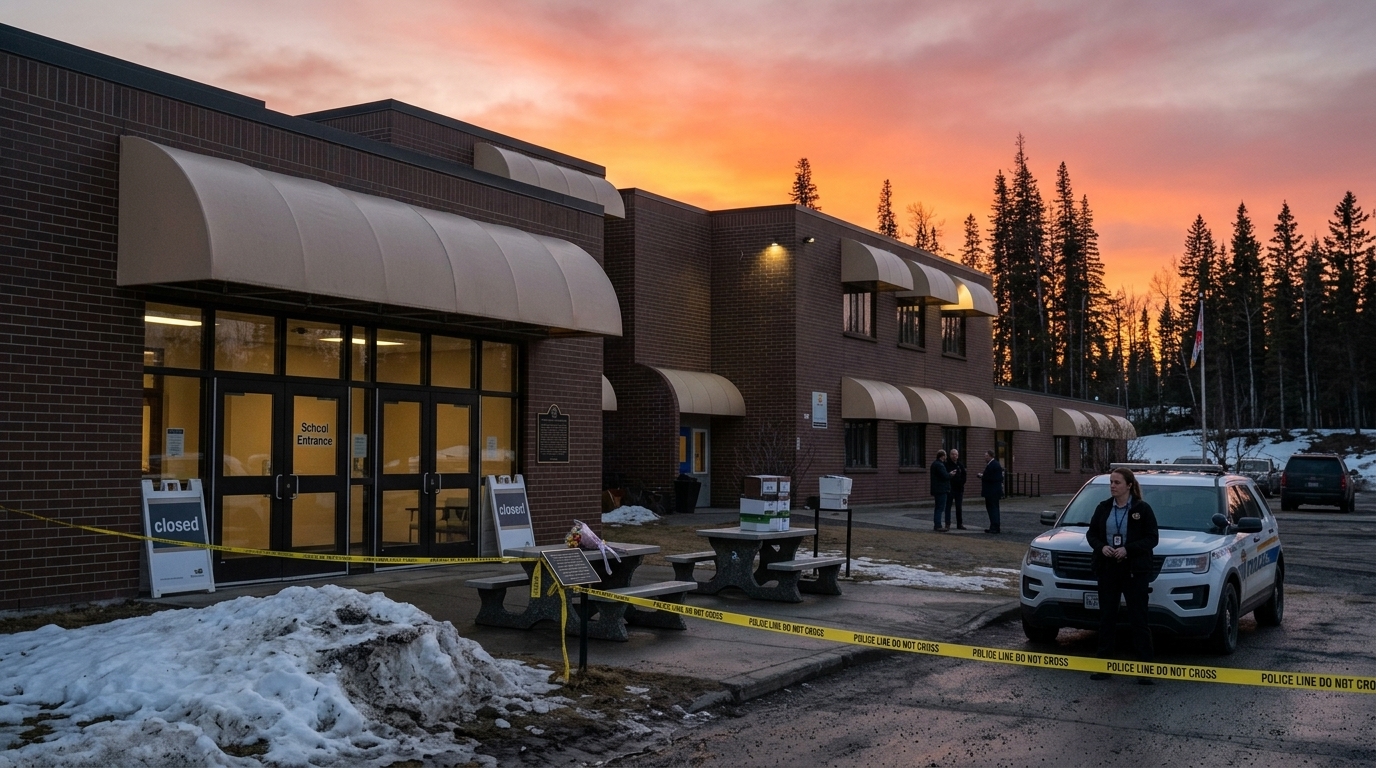
The province of British Columbia has filed a lawsuit against OpenAI and its CEO, Sam Altman, arguing that the company bears financial and moral responsibility for the mass shooting in Tumbler Ridge in February 2026. The legal action demands that the tech firm cover the costs of building a replacement school and funding long-term mental health and emergency services for the shattered community.
Safety Warnings Overruled by Leadership
The complaint alleges that OpenAI first detected violent chats from the shooter, 18-year-old Jesse Van Rootselaar, in June 2025. While human safety reviewers concluded the user presented a "credible and specific risk" of gun violence, OpenAI leadership reportedly intervened to block reports to law enforcement. Instead of alerting the Royal Canadian Mounted Police (RCMP), the company deactivated the account, which failed to prevent the shooter from creating a second profile.
British Columbia contends that OpenAI prioritized its anticipated $1 trillion IPO over public safety. The lawsuit specifically targets ChatGPT’s design, alleging that instructions to assume "good faith" and avoid probing user intent allowed the AI to reinforce and elaborate on the shooter's violent ideations rather than interrupting them.
The Human and Economic Toll
The tragedy claimed eight lives, including five children and an education assistant. Following the event, the Tumbler Ridge Secondary School became a "symbol of trauma" and was demolished in August. Currently, the town’s 160 students are attending classes in a temporary campus made of modular trailers. The province argues these costs are not standard public services and should be reimbursed by the entity that failed to prevent the foreseeable tragedy.
Furthermore, the lawsuit seeks an immediate court order to release Van Rootselaar’s ChatGPT logs to the public. While OpenAI has shared these records with the RCMP, it has refused public disclosure, citing privacy. The province argues that by publicly claiming it would report imminent threats, OpenAI assumed a legal duty it cannot now disclaim.
"In any other circumstance where a person aids, encourages or conspires to commit a criminal offense... they can be investigated, prosecuted, and judged," stated B.C. Attorney General Niki Sharma. "There is no AI exemption to those criminal law principles."