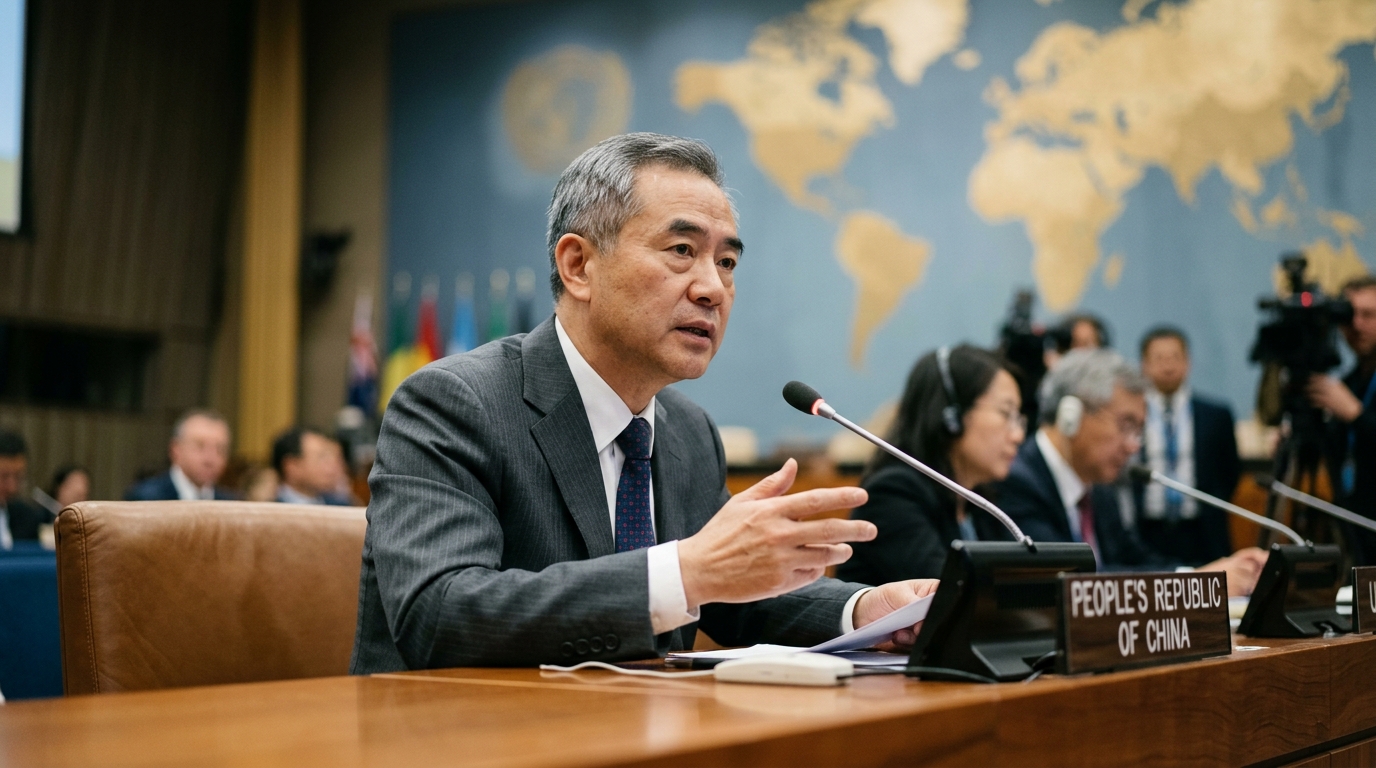
In the high-stakes arena of global artificial intelligence dominance, the friction between American AI pioneers and Chinese tech titans has reached a volatile new chapter. The recent dispute involving Anthropic—the San Francisco-based AI safety and research lab backed by Google and Amazon—and various Chinese entities over the practice of 'model distillation' highlights a profound rift that is as much about geopolitics as it is about neural network weights. Following reports that Chinese firms might be leveraging outputs from Anthropic’s Claude models to train their own systems, the Global Times, a prominent Chinese state-affiliated outlet, has issued a sharp rebuttal, framing the accusations as a symptom of 'tech hegemony anxiety' within the United States.
The Anatomy of an Accusation: What is Distillation?
Model distillation is a sophisticated technique in machine learning where a smaller, more efficient 'student' model is trained to mimic the behavior and performance of a larger, more complex 'teacher' model. While distillation is a standard academic and industrial practice for optimizing AI, the controversy arises from the source of the training data. Anthropic alleges that Chinese firms are using the proprietary outputs of its most advanced models to 'shortcut' the arduous and expensive process of foundational R&D. By doing so, these firms can theoretically achieve high-level reasoning capabilities without the multi-billion dollar investment required to build a model from scratch.
However, Chinese experts interviewed by the Global Times argue that these claims lack substantial evidence. They contend that the use of synthetic data—data generated by one AI to train another—is a global industry standard practiced by nearly every major AI lab, including those in the U.S. The Chinese narrative suggests that the outcry from Anthropic is less about intellectual property protection and more about a desperate attempt to slow down the rapid ascent of Chinese AI models, which are increasingly topping global benchmarks.
Geopolitical Anxieties and the 'Great Wall' of IP
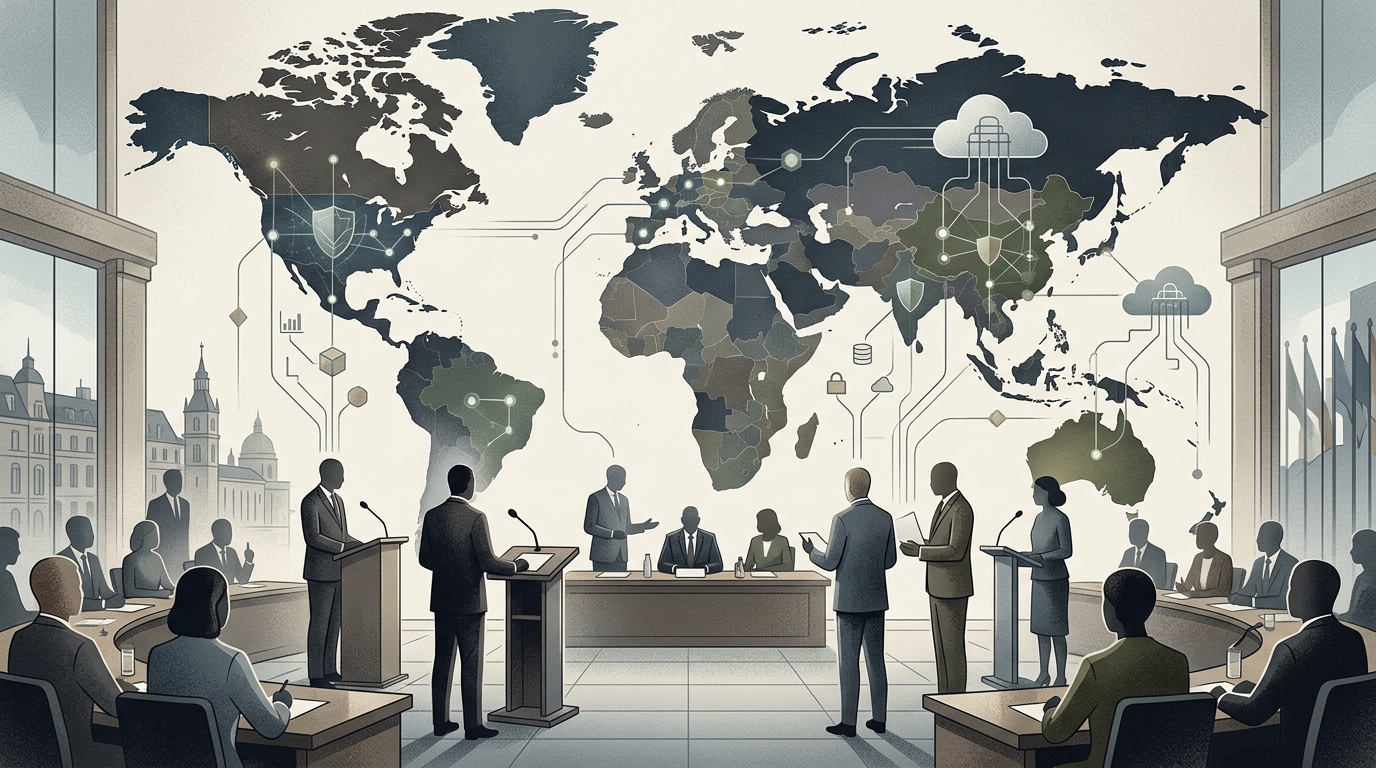
This conflict does not exist in a vacuum. It unfolds against a backdrop of escalating U.S. export controls on high-end GPUs and restrictions on Chinese access to American cloud computing resources. From Beijing’s perspective, the 'distillation' narrative is a tactical maneuver designed to delegitimize Chinese innovation.
"The claim of distillation is a new pretext for containment," stated one Chinese tech analyst. "When hardware sanctions fail to stop our progress, the strategy shifts to moral and legal delegitimization of our algorithmic achievements."
Furthermore, the emergence of models like DeepSeek has sent shockwaves through Silicon Valley. These models have demonstrated that innovative architecture and data efficiency can produce results comparable to the massive, energy-hungry models favored by U.S. firms. This efficiency challenges the American 'brute force' approach to AI scaling, leading to what some analysts call a 'crisis of confidence' among Western tech leaders who previously believed their lead was insurmountable due to sheer capital and compute power.
The Ethics of AI and the Future of Diplomacy
The distillation debate touches on fundamental questions regarding the ownership of AI-generated knowledge. If a model is trained on the collective sum of human knowledge available on the open web, does its output belong solely to the corporation that built the model, or does it enter the public domain? Anthropic and its peers are advocating for a 'digital moat' around their model outputs, citing safety and proprietary rights. Conversely, the Chinese stance—while often criticized for its own lack of transparency—advocates for a more fluid exchange of information, particularly when it benefits their domestic ecosystem.
Ultimately, the Anthropic-China standoff is a microcosm of the broader AI Cold War. On one side, we see the defense of intellectual property and the enforcement of Terms of Service as a matter of national security. On the other, we see a rising power challenging the status quo and framing its imitation-turned-innovation as a legitimate path to technological parity. As the gap between U.S. and Chinese AI capabilities continues to narrow, these disputes are likely to become more frequent and more litigious, further fragmenting the global AI research community.
- Anthropic alleges Chinese firms are using Claude's outputs to train rival models.
- Chinese experts dismiss these claims as 'baseless' and rooted in U.S. protectionism.
- The debate centers on whether 'model distillation' constitutes innovation or IP theft.
- This friction reflects the deepening technological divide between the two superpowers.