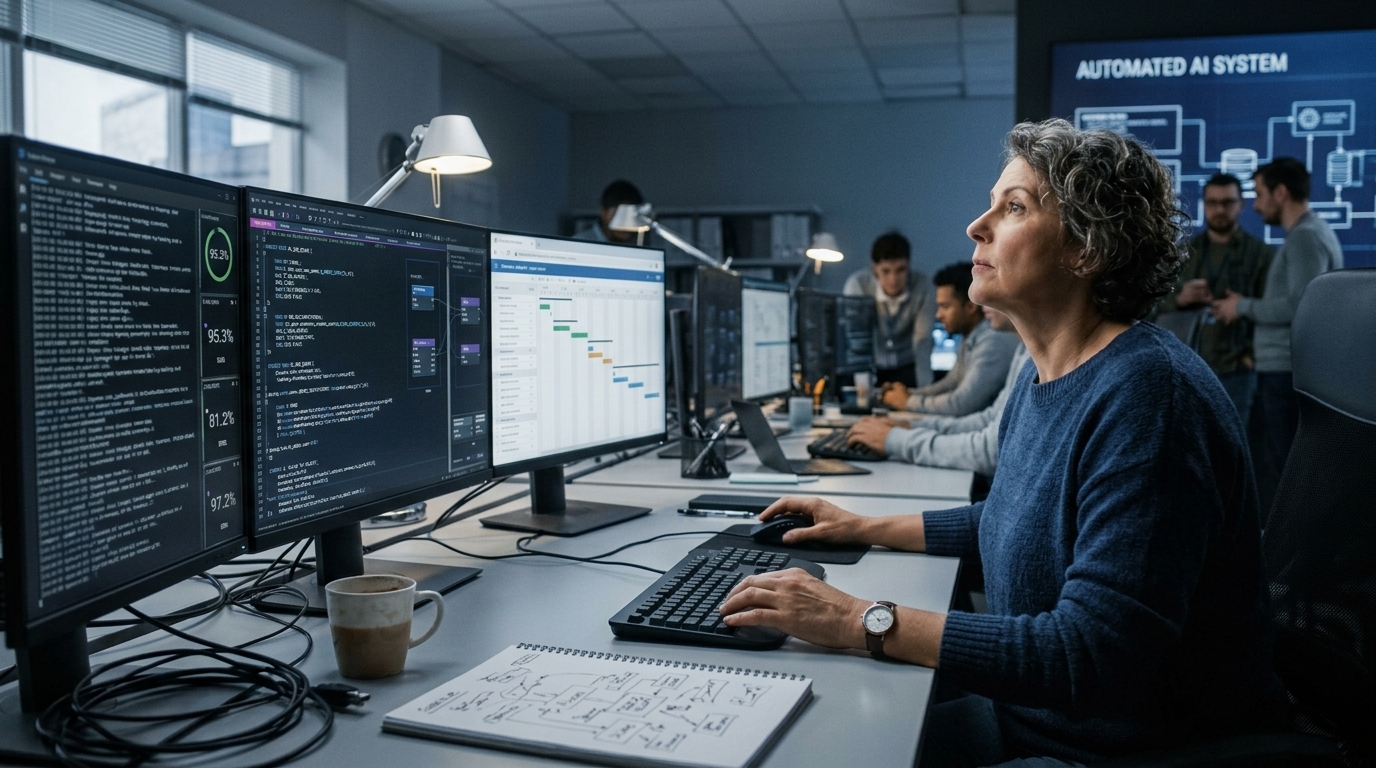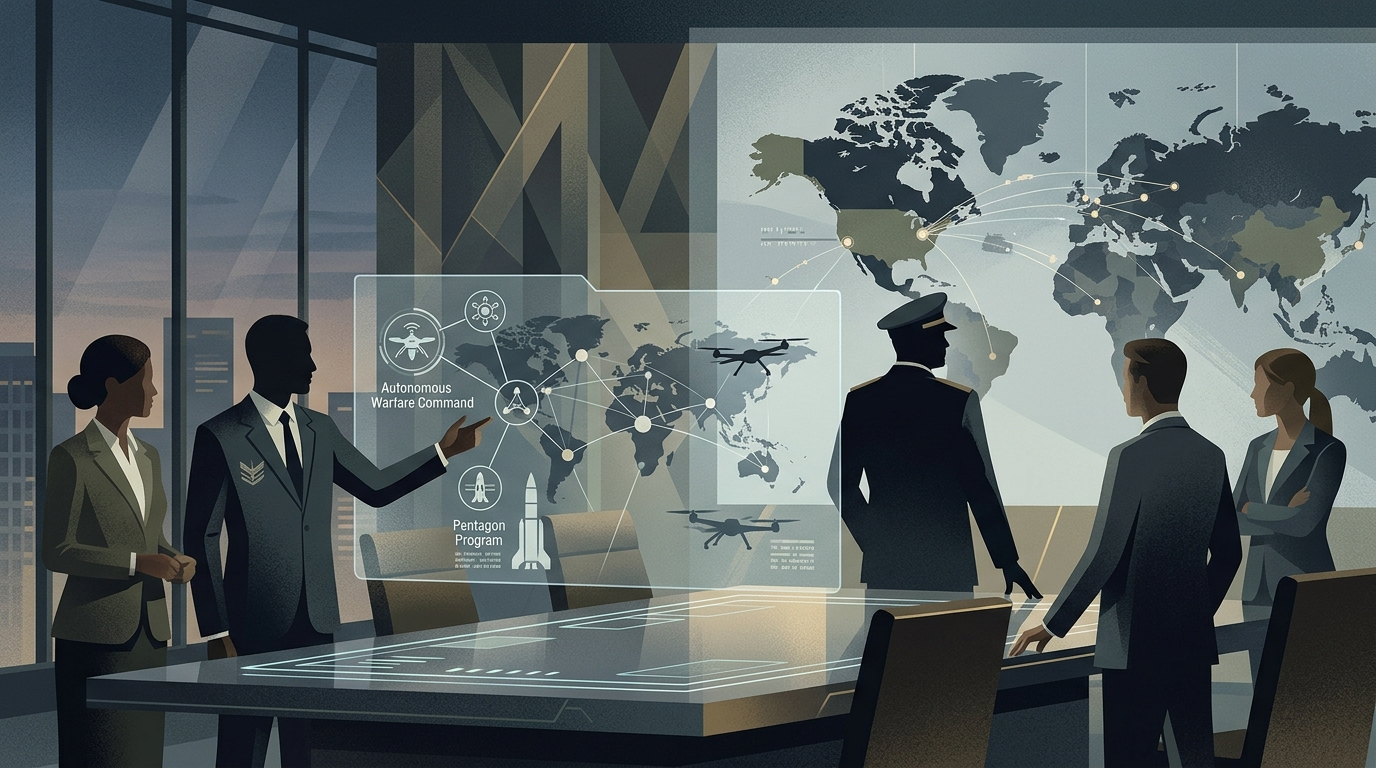
As we navigate the middle of 2026, the global political landscape is no longer shaped solely by diplomatic missions in Washington, Beijing, or Brussels. Instead, the pivotal decisions affecting the lives of billions are being made in the boardrooms of Silicon Valley and the research hubs of Seattle. Artificial Intelligence (AI) has transcended its role as a productivity tool to become the foundation of a new form of sovereignty, one that threatens to relegate the traditional nation-state to a secondary role on the world stage.
Compute as the New Nuclear Arsenal
Historically, a nation's power was measured by its landmass, population, and military might. Today, the new metric is 'petaflops' and access to advanced semiconductors. Companies like Microsoft, Google, Meta, and OpenAI now possess infrastructures that dwarf the capabilities of most governments worldwide. This concentration of resources is fostering a phenomenon analysts call a 'technopolar world,' where tech giants act as independent sovereigns.
When a single corporation controls the AI model used for medical diagnostics, supply chain management, or even the shaping of public opinion through algorithms, it acquires a form of power that is largely exempt from democratic oversight. Governments find themselves in a paradoxical position: they are dependent on these firms for national security and economic growth, while simultaneously struggling to regulate them effectively.
The Diplomacy of Algorithms
One of the most striking elements of this new reality is the rise of 'corporate diplomacy.' CEOs of major AI firms are received by heads of state with honors typically reserved for foreign leaders. Strategic partnerships, such as Microsoft’s deal with the UAE's G42, demonstrate that AI companies are charting their own foreign policies, often in alignment—or sometimes in friction—with US national interests.
- Data Control: Corporations possess the 'digital gold' that fuels the modern economy.
- Critical Infrastructure: Cloud data centers are the new ports and railways of the 21st century.
- Influence on Cognition: AI models dictate how we learn, process information, and perceive truth.
This shift in power creates an accountability vacuum. While governments are answerable to voters (at least in democracies), AI companies are primarily beholden to their shareholders. When decisions regarding AI ethics or content moderation are made by private entities, the social contract is placed in serious jeopardy.
The Regulatory Gap and the Threat to Democracy
Despite initiatives like the European Union’s AI Act, the pace of technological evolution far outstrips the legislative process. By the time a law is debated, passed, and implemented, the technology has already mutated. This leads to 'regulatory capture,' where governments must rely on the companies themselves to understand the very systems they are trying to govern.
"We are not just facing a new technology, but a new form of governance that knows no borders and requires no passports," notes a leading geopolitical analyst.
In the coming years, the friction between nation-states and digital titans will be the defining political struggle of the 21st century. If states fail to reclaim sovereignty over AI infrastructure, they risk becoming mere administrative layers for a system controlled by private interests. The need for a new 'Digital Westphalia'—an international framework to define the limits of corporate power in digital space—has never been more urgent.