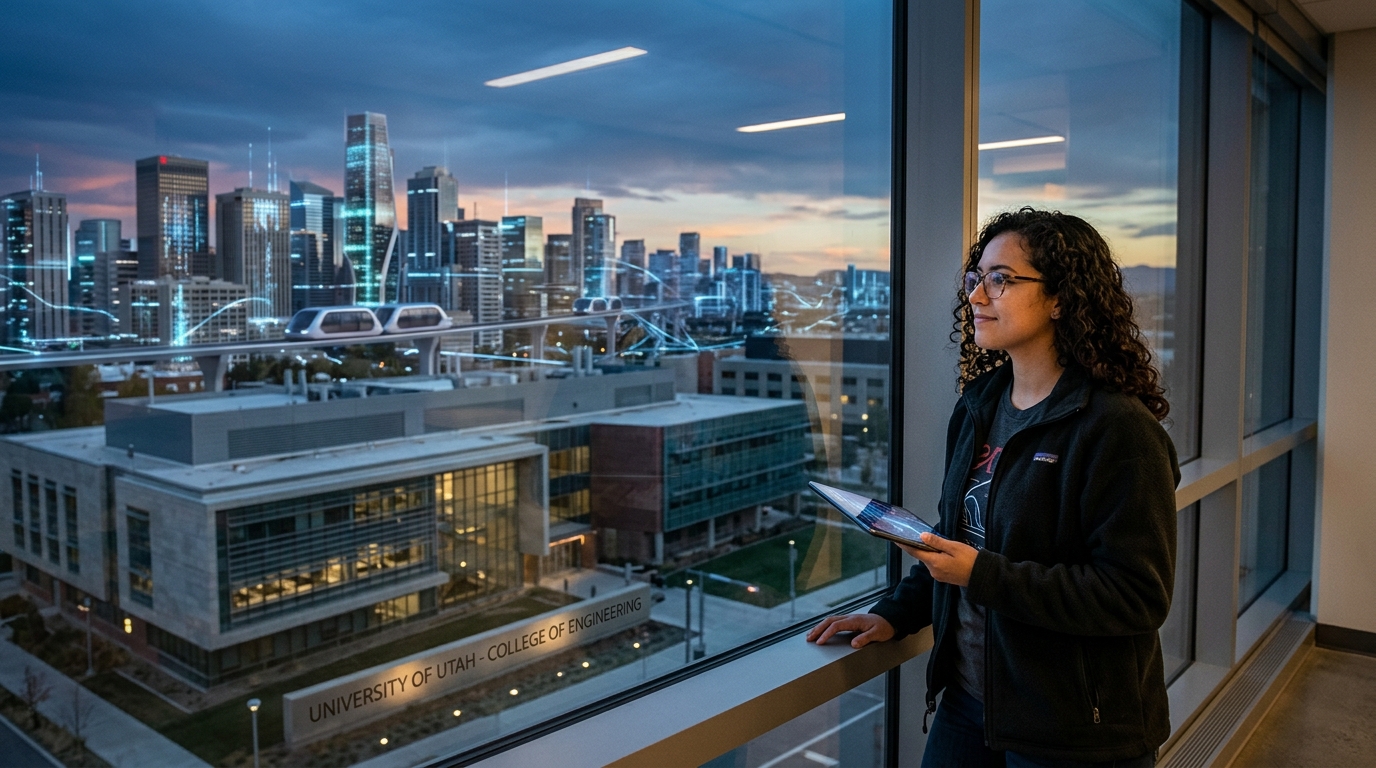
In a move that underscores the velocity at which technology is reshaping the academic landscape, the University of Utah has announced the approval of a new Bachelor of Science in Artificial Intelligence. This decision is not merely an addition to the course catalog but a strategic response to "huge market demand," as institutional leaders noted. As we move through 2026, the need for professionals who don't just use AI, but know how to design and govern it, has become imperative.
The Shift from Computer Science to Dedicated AI
For decades, Artificial Intelligence existed as a subset of Computer Science—an elective course or a graduate-level specialization. However, the explosion of generative models and the integration of machine learning into every industrial facet have fundamentally changed the stakes. The University of Utah, situated in the heart of the "Silicon Slopes"—the state's burgeoning tech scene—recognized that a standard CS degree might no longer suffice to cover the depth of knowledge required.
The new curriculum will focus on domains such as machine learning, natural language processing, computer vision, and robotics. According to the faculty, the goal is to prepare students for roles that are currently difficult to fill, providing them with the tools to understand the mathematical complexity behind the algorithms.
"We aren't just training programmers; we are training the architects of the future,"a university spokesperson stated during the program's unveiling.
Ethics and Societal Impact at the Core
One of the most compelling features of the new degree is its emphasis on AI ethics. In a world where algorithms make decisions about hiring, loans, and medical diagnoses, understanding bias and transparency is critical. The University of Utah is making ethics and the sociology of technology mandatory components of the degree, recognizing that technical proficiency without an ethical compass can be hazardous.
Students will be challenged to examine how AI affects privacy, labor markets, and democratic processes. This interdisciplinary approach reflects a broader trend in higher education where the boundaries between STEM and the humanities are becoming increasingly blurred. An AI scientist's ability to explain why a model made a specific decision is now considered as vital as the ability to build the model itself.
Economic Footprint and Industry Synergy
The creation of this degree does not happen in a vacuum. Utah has evolved into a significant hub for technology companies, and the demand for local talent is soaring. Local businesses have expressed a dire need for graduates who can immediately integrate into AI research and development teams, thereby reducing the costs of in-house training.
- A 40% increase in AI-related job postings in the region over the last two years.
- Close collaboration between the university and tech giants for internship programs.
- A focus on applied research that solves real-world problems for the local economy.
At the same time, there are voices of skepticism. Some academics wonder if over-specialization at the undergraduate level limits students' long-term flexibility. However, the market seems to have already provided its answer: specialization is the currency of the new era. The University of Utah is betting that its graduates will be the first to fill leadership positions in the new digital economy, positioning the state as a pioneer in educational innovation.