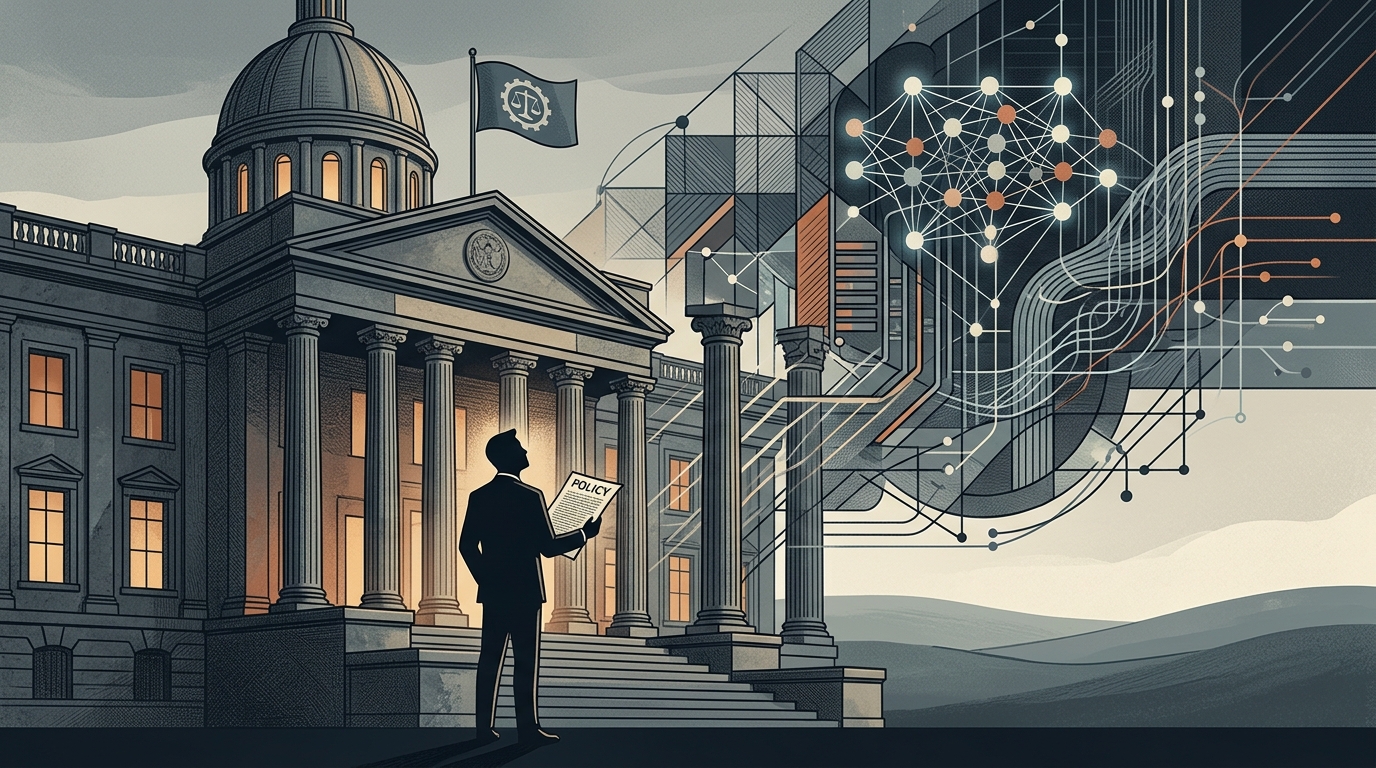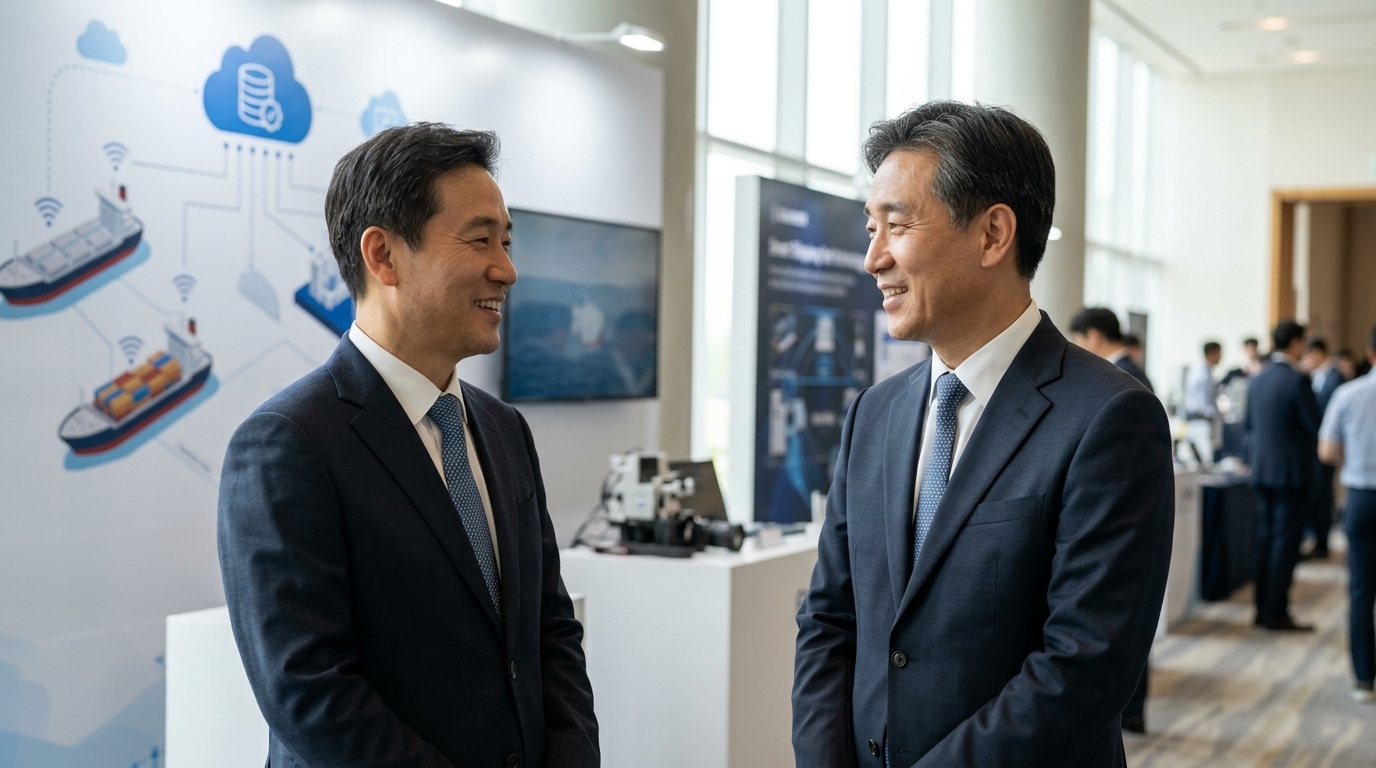
At the 2026 Fortune Brainstorm Tech conference, the atmosphere in the boardrooms was a far cry from the unbridled optimism of previous years. Instead, a sober realism prevailed. Leaders from the world's largest corporations, from C.H. Robinson to Gap, are no longer talking about Artificial Intelligence (AI) as a "technology" you simply purchase and install. They are treating it as a strategic partner—an entity actively participating in decision-making, supply chain optimization, and the redefinition of customer relationships.
However, this new phase brings with it a risk that analysts call the "AI Hangover." This refers to the abrupt reality check where massive investments fail to yield the expected returns due to a lack of infrastructure, poor data quality, or an inability to adapt the workforce.
The Shift from Passive to Active Technology
For decades, enterprise software was passive. An ERP or CRM system waited for human data entry to generate a report. Today, Generative AI and advanced predictive models operate proactively. As highlighted at Brainstorm Tech, companies like C.H. Robinson are using AI to "read" and automatically respond to hundreds of thousands of customer emails daily, not just archiving them, but closing deals and routing shipments.
This paradigm shift means that AI is no longer a tool on the shelf, but a "digital colleague." This requires executives to stop thinking in terms of IT and start thinking in terms of talent management. If AI is a partner, it needs training, clear goals, and, most importantly, trust. Gap, for example, is integrating AI into its inventory planning, allowing algorithms to suggest changes that previously would have required weeks of meetings between buyers and analysts.
What is the 'AI Hangover' and How to Avoid It
The "AI Hangover" occurs when the initial euphoria of Proof of Concepts (PoCs) crashes into the complexity of real-world scale. Many companies in 2024 and 2025 invested millions in "shiny" projects that never made it out of the lab. The result? Shareholder disappointment and employee fatigue.
To avoid this, experts suggest three key pillars:
- Prioritize Data, Not Models: A mediocre model with excellent data will always outperform an excellent model with bad data. Strategic partnership begins with data hygiene.
- Focus on Operational Value (ROI): Every AI application must solve a specific, measurable problem. Adopting AI "because everyone else is" is the recipe for the perfect hangover.
- Human-in-the-loop: AI as a partner does not mean AI without supervision. The most successful companies are those that create systems where humans oversee critical decisions while AI handles the heavy lifting of processing.
Culture as the Final Frontier
Perhaps the most significant takeaway from the Fortune discussions is that the challenge is not technical, but cultural. Treating AI as a strategic partner requires employees not to view it as a threat to their jobs, but as a means for their advancement. When Gap uses AI for logistics, its employees aren't necessarily redundant; they are moved to roles that require creativity and strategic thinking.
The future belongs to businesses that manage to weave AI into the fabric of their operations without losing the human touch. The "AI Hangover" is a reminder that in technology, as in life, excess without preparation always leads to a headache. Strategic partnership, however, leads to sustainable growth.