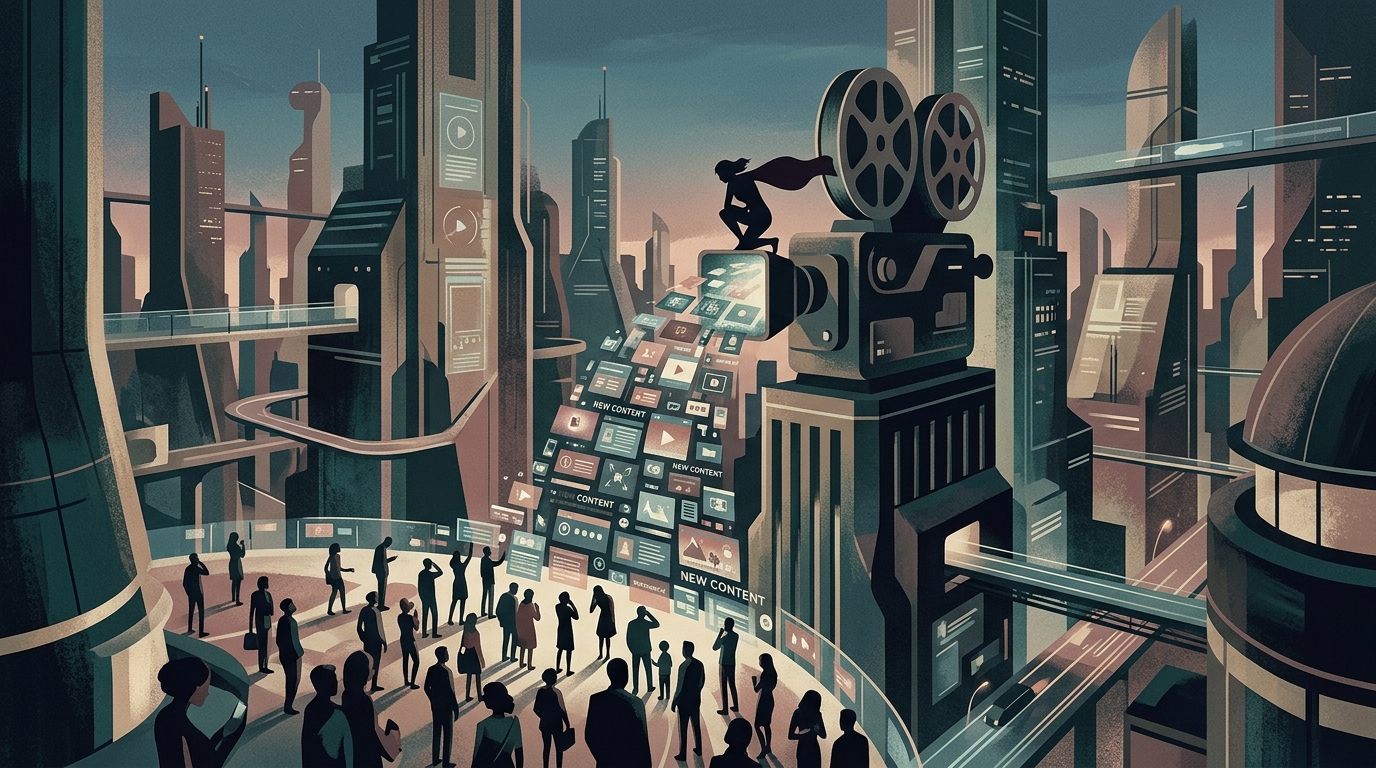
The history of cinema is littered with films that were considered failures in their time, only to be recognized decades later as masterpieces. Today, as we navigate the summer of 2026, Supergirl: Woman of Tomorrow seems to be entering exactly this strange category. Following a disappointing box office opening that failed to meet even the most conservative projections from Warner Bros. Discovery, the critical community is beginning to wonder: Is the problem the movie, or is it us?
A Visual Feast Beyond the Conventional
Directed by Craig Gillespie and starring Milly Alcock, the film offers something rarely seen in the superhero genre anymore: an authentic, existential quest. Based on the comic book of the same name by Tom King and Bilquis Evely, the film is not your typical origin story. It is a space western, a tale of revenge and coming-of-age set against landscapes that look like oil paintings. Alcock doesn’t play a female version of Superman; she embodies a woman who saw her world die, who grew up in the debris, and who carries a trauma that no yellow solar radiation can ever fully heal.
The film's aesthetics are perhaps its strongest suit. Unlike the dull, gray palette that dominated blockbusters of the previous decade, Supergirl is vibrant with color. The planets the protagonist visits possess an unearthly beauty, reminiscent of the psychedelia of 1970s sci-fi covers. However, this artistic approach seems to have alienated the general public, which has grown accustomed to a more homogenized visual language.
The Curse of Saturation and the Comparison to the Past
The question looming over Hollywood is why a "good" movie fails commercially. The answer lies in the term "superhero fatigue." After nearly two decades of genre dominance, audiences have become extremely selective. In 2026, being just "good" is no longer enough. You need to be an "event." Supergirl, despite its quality, failed to convince the public that seeing it on the big screen was essential, especially when streaming services offer similar content at the touch of a button.
Furthermore, the comparison to last year's Superman by James Gunn was inevitable. Where Superman offered hope and a return to classic optimism, Supergirl offers melancholy and grit. In the current socio-political climate, perhaps the audience wasn't ready for such a raw depiction of loss, preferring the safety of traditional heroic narratives.
The Cultural Significance of Failure
Despite the numbers, Supergirl represents a victory for creative freedom. The fact that a studio allowed a creator to envision such an idiosyncratic film is promising. Low box office returns may scare shareholders, but for cinema history, this film will remain a testament to what the genre can achieve when it dares to experiment.
- Milly Alcock's performance redefines the character for a new generation.
- The use of practical effects combined with innovative CGI creates a unique visual result.
- The script touches on themes like genocide and survival in a way rarely seen in PG-13 movies.
Ultimately, Supergirl is not a failure of creation, but a failure of marketing and timing. In a world flooded with "content," art is often drowned out. But like its heroine, the film seems to have the resilience to survive in the memory of viewers far longer than the ephemeral blockbusters that break records and are forgotten the following week.