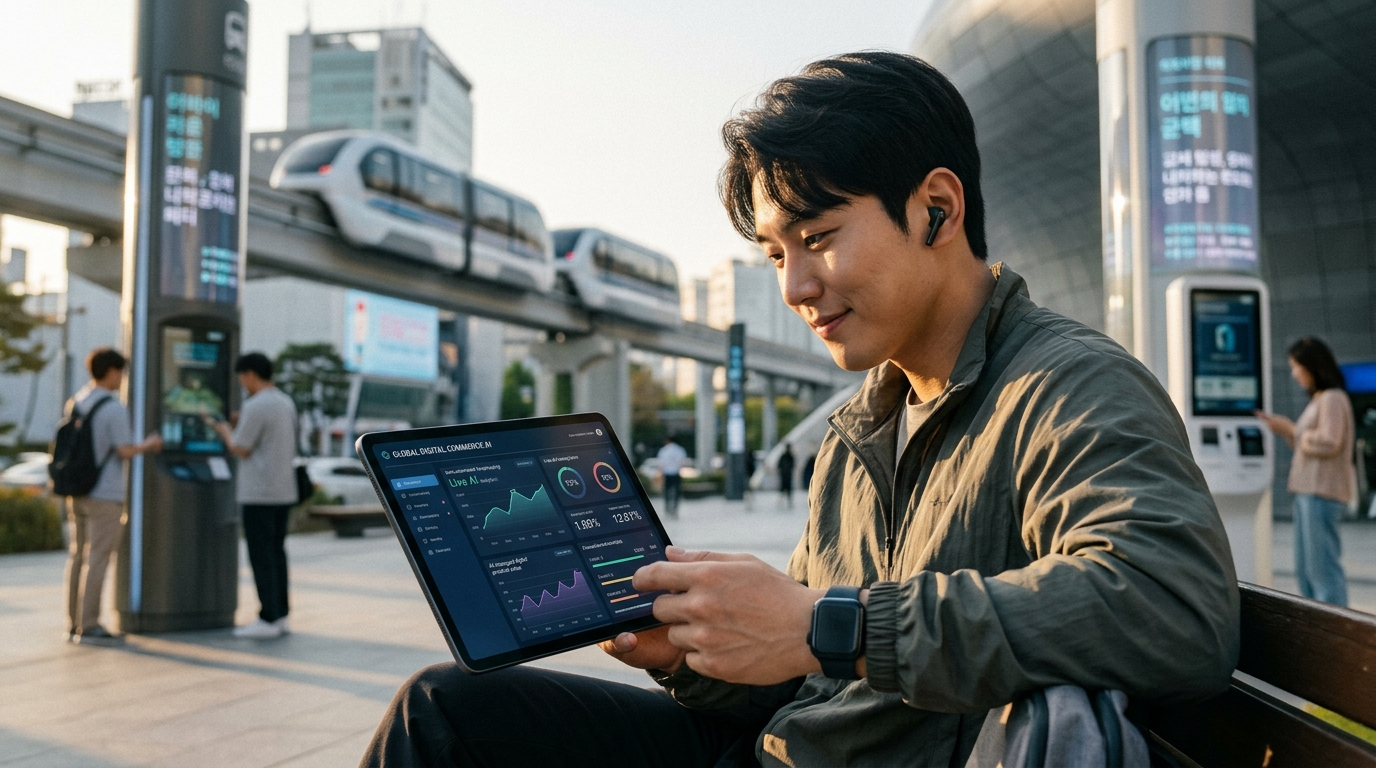
As we navigate the mid-point of 2026, the traditional concept of a career is undergoing a radical transformation. For decades, the "American Dream" was synonymous with steady employment, homeownership, and a gradual climb up the corporate ladder. However, for the younger generation—Gen Z and Millennials—this model now feels obsolete, if not entirely unattainable. In its place, a new ambition is emerging: achieving financial autonomy through Artificial Intelligence (AI) and passive income streams.
The Democratization of Entrepreneurship
The AI revolution is no longer confined to the tech giants of Silicon Valley. Today, generative AI tools have made it possible to create content, software, and digital products with minimal cost and time. This "democratization" of the means of production allows a solo creator to compete with entire teams from the past. From building automated YouTube channels to developing no-code micro-SaaS (Software as a Service) applications, AI acts as a "power multiplier."
This trend is fueled by a deep-seated distrust of traditional institutions. Following successive economic crises and the soaring cost of living, young people are seeking ways to decouple their time from their income. Passive income through AI offers the promise of "algorithmic leverage": the work is done once, but the product—whether it's an AI-assisted ebook or a suite of digital assets—continues to generate profit 24/7.
The New Digital Asset Classes
The strategies employed by these new entrepreneurs are diverse. One of the most popular is the creation of "faceless" content channels. By using AI for scriptwriting, voiceovers, and video editing, creators can maintain multiple channels in different languages, targeting a global audience. Furthermore, the "prompt engineering" market has evolved into a standalone economy, where experts sell specialized instructions for generating high-quality art or code.
- Automated Newsletters: Using AI to curate and summarize news in niche sectors.
- AI-Driven E-commerce: Designing products via AI and selling them through print-on-demand platforms.
- Educational Products: Creating online courses where the structure and materials are generated by advanced language models.
However, this new reality is not without its challenges. Market saturation is a visible risk. As the barrier to entry lowers, the volume of generated content increases exponentially, making audience attention the rarest and most valuable commodity. Quality and authenticity are becoming the primary differentiators in an ocean of algorithmically produced information.
Ethical and Social Dimensions
Beyond the financial benefits, the shift toward AI-driven passive income raises serious questions about the future of human creativity. There is a risk that art and knowledge could be transformed into mere "commodities," where their value is defined solely by Return on Investment (ROI). Moreover, Platform Dependency means a creator could lose their income overnight due to a change in Google's or OpenAI's algorithms.
"We are not just experiencing a technological shift, but an existential renegotiation of our relationship with productivity," say labor market analysts.
In regions like the Mediterranean, this trend is particularly interesting. With job markets that often fail to offer competitive salaries, many young professionals are turning to the global digital economy. AI allows them to transcend geographical boundaries, offering services and products from a small village to clients in New York or Tokyo. This "digital brain gain" could be the answer to economic stagnation, provided it is accompanied by the necessary education and digital literacy.
Conclusion: The Future of Work
The new "American Dream" is not about avoiding work, but about mastering it. Artificial Intelligence provides the tools to turn creativity into capital. Those who manage to combine human empathy and strategic thinking with the speed of the machine will be the protagonists of the new economy. The challenge for the younger generation is to remain creators rather than mere algorithm managers, ensuring that technology serves humanity and not the other way around.