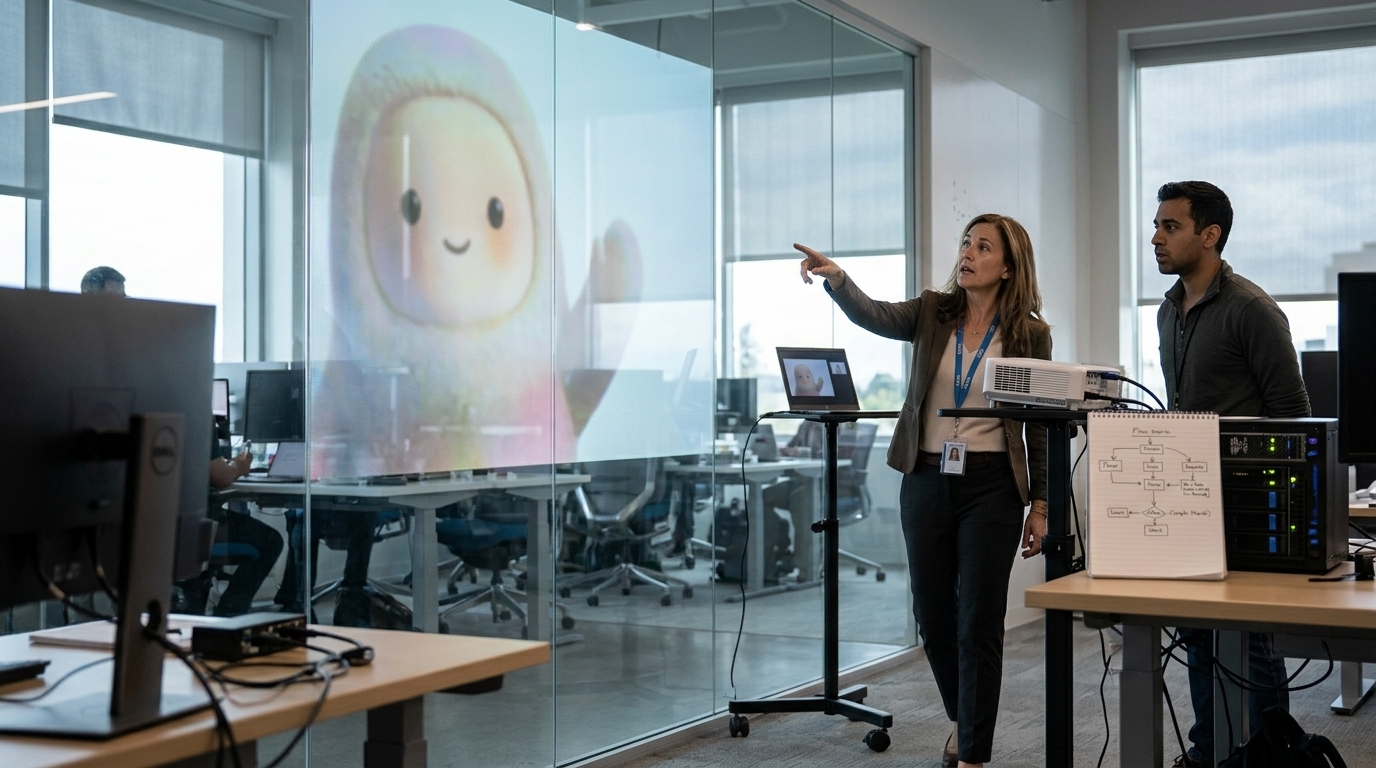
It is the summer of 2026, and the sight of humanoid robots working side-by-side with humans on assembly lines is no longer a science fiction scenario, but a daily reality in many industrial zones across Europe and Asia. The rapid evolution of Artificial Intelligence, combined with advanced engineering, has brought humanity to a critical crossroads. The debate initiated by "Efimerida ton Syntakton" echoes a deep anxiety permeating society: are robots coming to steal our livelihood or to grant us the leisure time we have lacked for centuries?
The Threat of Total Replacement
For decades, automation primarily concerned repetitive, manual tasks. Today, the situation has changed radically. With the advent of generative AI models now controlling the "bodies" of robots, the threat of replacement extends to sectors once considered bastions of human skill. From elderly care to delicate surgery, and from warehouse management to hospitality services, machines are often proving to be more efficient, more precise, and, most importantly, cheaper in the long run.
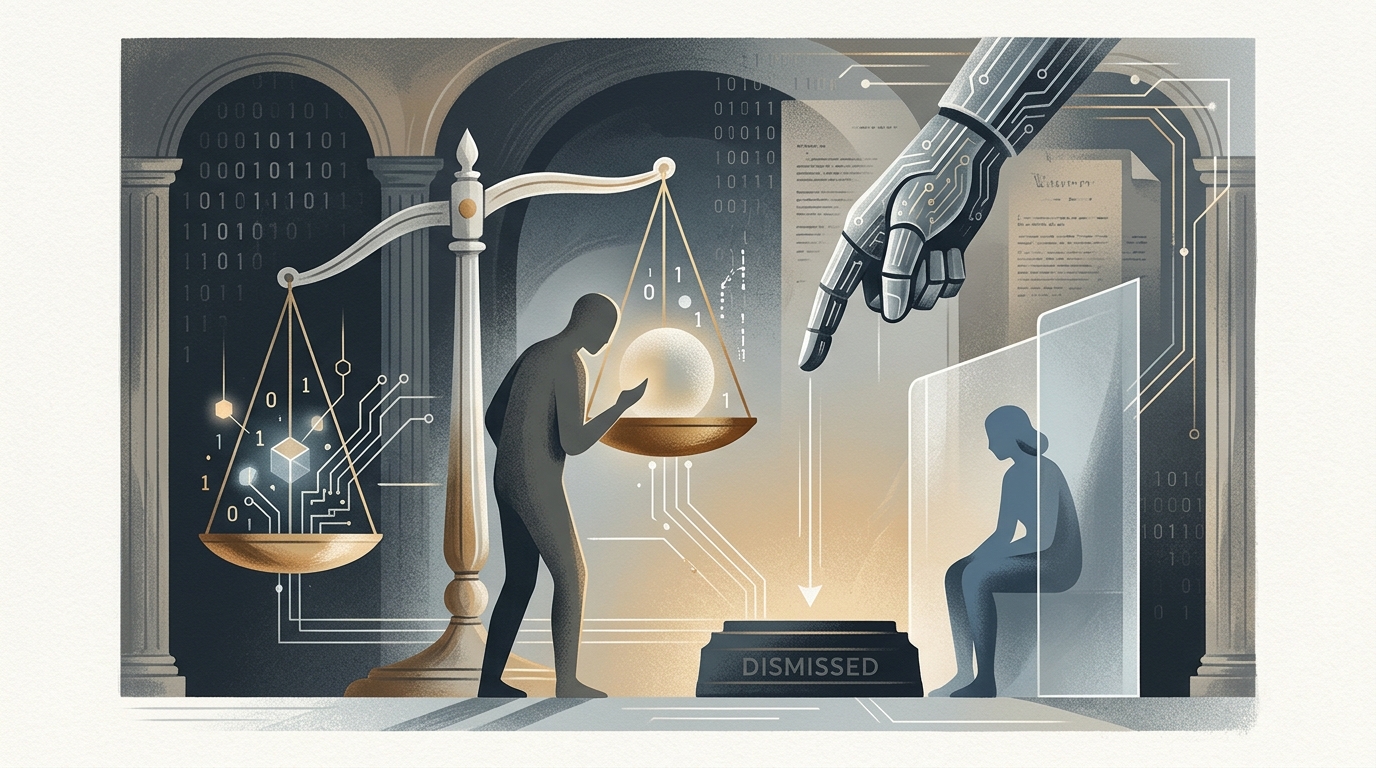
The economic pressure exerted on the middle and working classes is unprecedented. Analysts warn of a "technological unemployment" that will not be transitory. If businesses continue to replace human labor with robotic units without a parallel safety net, we risk moving toward a two-tier society: an elite of owners of the means of production and a vast mass of "superfluous" people. The ethical weight of this transition rests on the shoulders of governments, which are called upon to redefine the very concept of work.
The Promise of Great Liberation
On the other hand, there is the vision of a "post-work" society. Proponents of this view argue that robots are the key to true human freedom. For the first time in history, humanity has the possibility to abolish the "slavery" of wage labor for survival. If machines produce the wealth, then humans can return to the "schole" of the ancient Greeks—not as laziness, but as engagement with the arts, philosophy, community, and personal growth.
- Abolition of dangerous and unhealthy occupations.
- Reduction of the working week without loss of income.
- Focus on human connection and creativity.
- Opportunity for lifelong learning and retraining.
This utopia, however, presupposes a radical redistribution of wealth. The "automation dividend" must return to society through mechanisms such as Universal Basic Income (UBI) or robot taxation. Without these tools, liberation will remain a privilege of the few, while for the many, technological progress will be experienced as social exclusion.
The Question of Control and Ethics
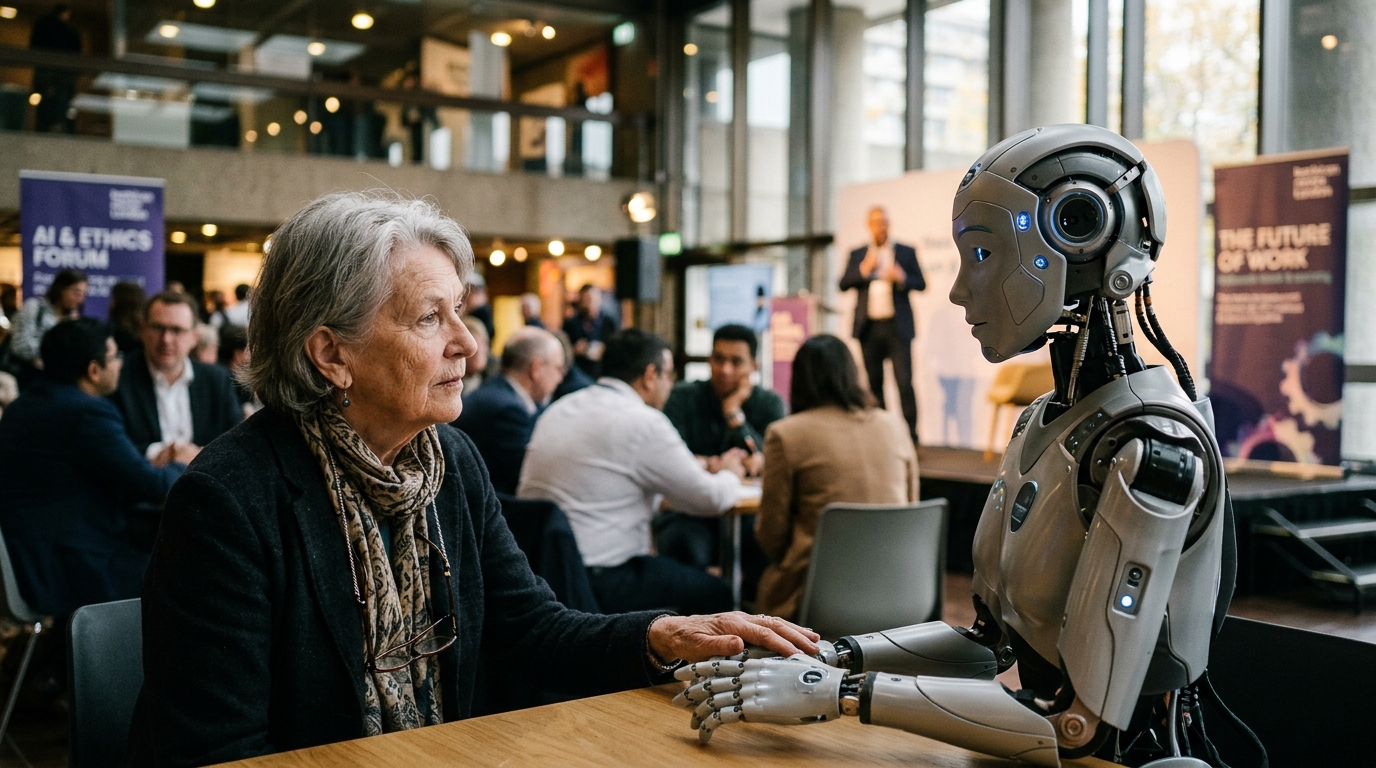
Beyond economics, serious ethical questions arise. When a robot cares for a child or a patient, what is lost in the quality of human interaction? Is "liberation" from caring for our own people truly progress or a form of alienation? The press rightly points out that technology is not neutral. It embodies the values and priorities of those who design it.
"Technology must serve humanity, rather than humanity adapting to the machine's needs for maximum profitability."
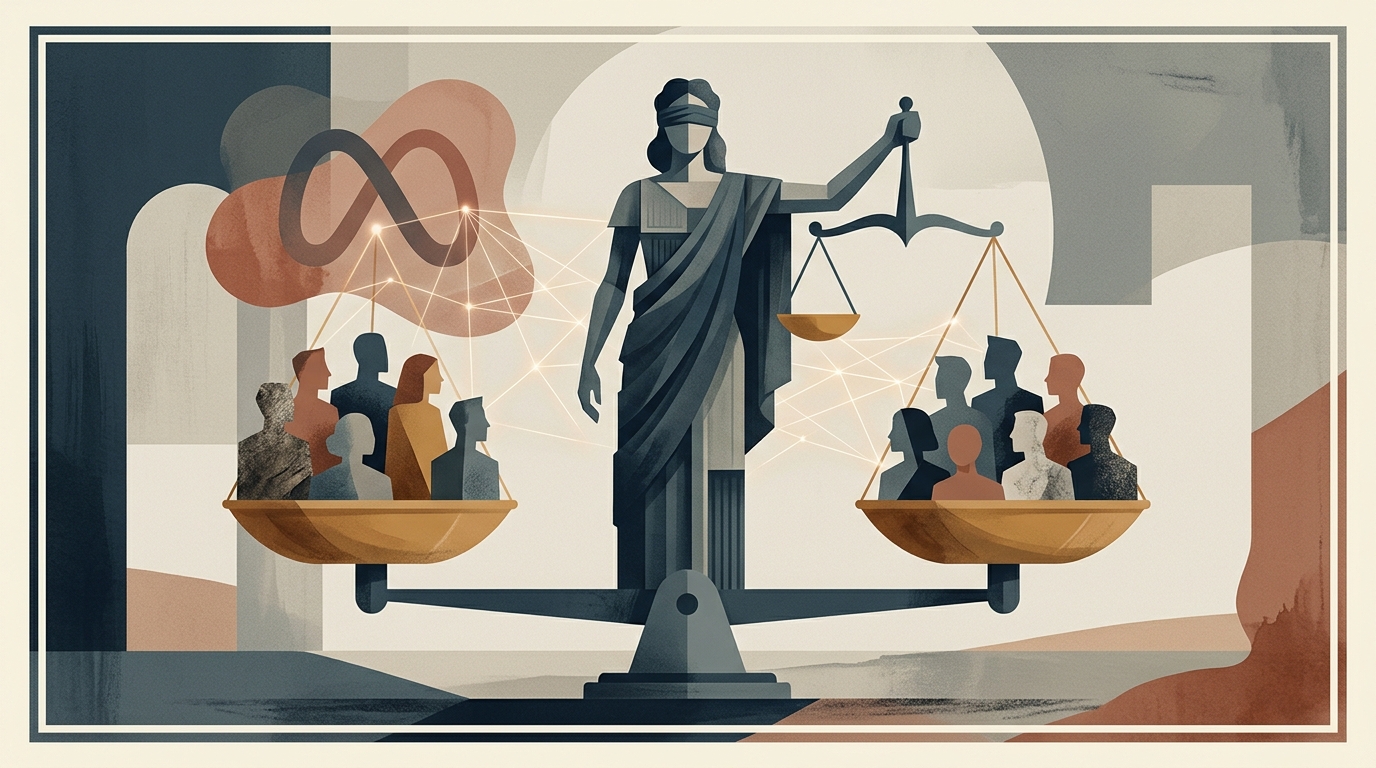
The need for a new social contract is imperative. 2026 must be the year we decide whether robots will be our partners in a journey toward prosperity or our competitors in a race to the bottom for survival. Political intervention is not just desirable; it is necessary to ensure that the robotic revolution has a human-centric focus.
Conclusion: A Choice, Not a Destiny
The outcome of this historic transition is not predetermined. Robots do not have a will of their own to replace or liberate us. These are human decisions made in corporate boardrooms and parliaments. The challenge of 2026 is to transform technological power into social justice. If we fail, automation will be the grave of social cohesion. If we succeed, it might be the beginning of a new Renaissance.