In the heart of San Francisco, where algorithms and venture capital dictate the future of humanity, a new trend is emerging—one that feels paradoxically ancient yet profoundly relevant. Faith-based co-working spaces are gaining traction as software engineers, entrepreneurs, and AI researchers begin to seek answers that code simply cannot provide. This shift isn't just about finding a quiet desk; it's an existential quest in an era where technology seems to be touching the divine.
Silicon Valley's Existential Crisis
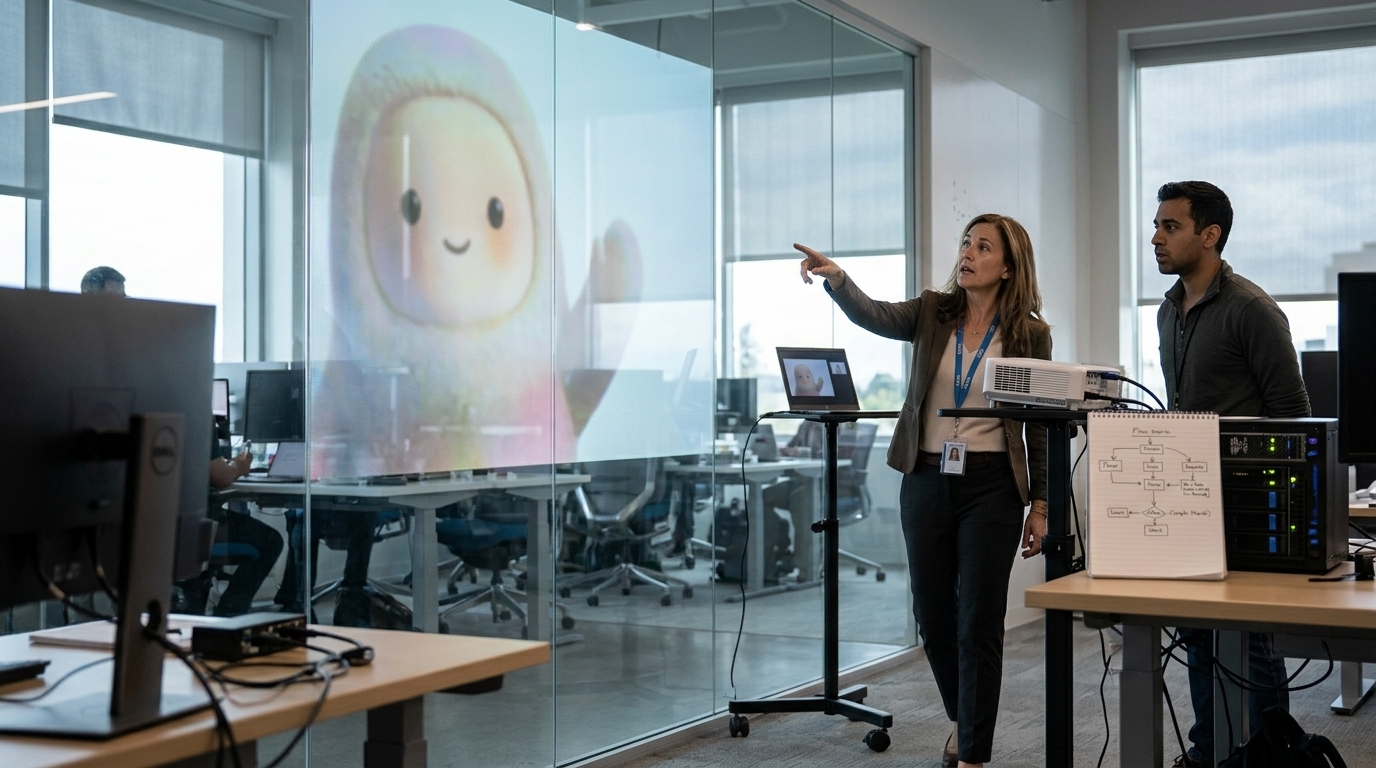
For decades, the Silicon Valley mantra was "move fast and break things." However, the advent of generative AI has sparked an unprecedented sense of awe and, simultaneously, trepidation. The creators of these systems are finding themselves confronted with questions that traditionally belonged to the realms of theology and philosophy: What does it mean to be human? What is our responsibility when we create something that surpasses us in intelligence? How do we ensure that technology serves the common good rather than just the bottom line?
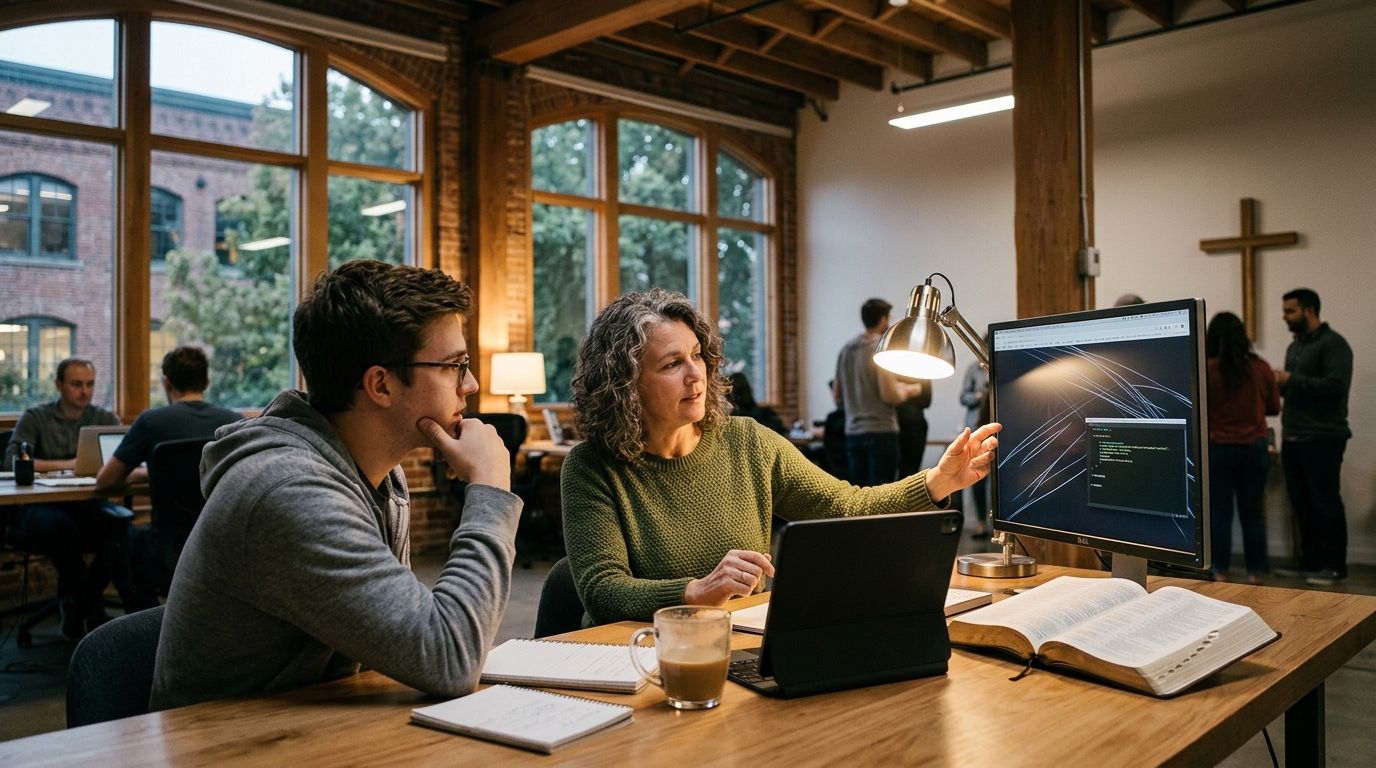
In this context, spaces like "The Way" or initiatives backed by churches, such as the Episcopal Church in San Francisco, offer a sanctuary. These hubs combine the amenities of a modern office—high-speed Wi-Fi, ergonomic seating, and artisanal coffee—with scheduled time for prayer, meditation, and ethical discourse. The idea is to foster a community where technological innovation is not decoupled from human values.
From Algorithms to Ethics
The turn toward faith is not necessarily a return to traditional dogmatism. For many tech workers, it is about the necessity of an ethical framework.
"Technology by itself is neutral, but our intentions are not,"says one developer who frequents a faith-based hub. The conversation around "AI alignment"—the effort to ensure AI acts in accordance with human interests—takes on a new dimension when viewed through the lens of faith and spirituality.
These spaces attract individuals from diverse religious backgrounds or even agnostics seeking a sense of purpose beyond the next software release. The emphasis is on "holistic work," where professional success is not segregated from spiritual well-being. This stands in stark contrast to the burnout culture prevalent in Big Tech, where identity is often consumed by productivity metrics.
Challenges and the Future of the Industry
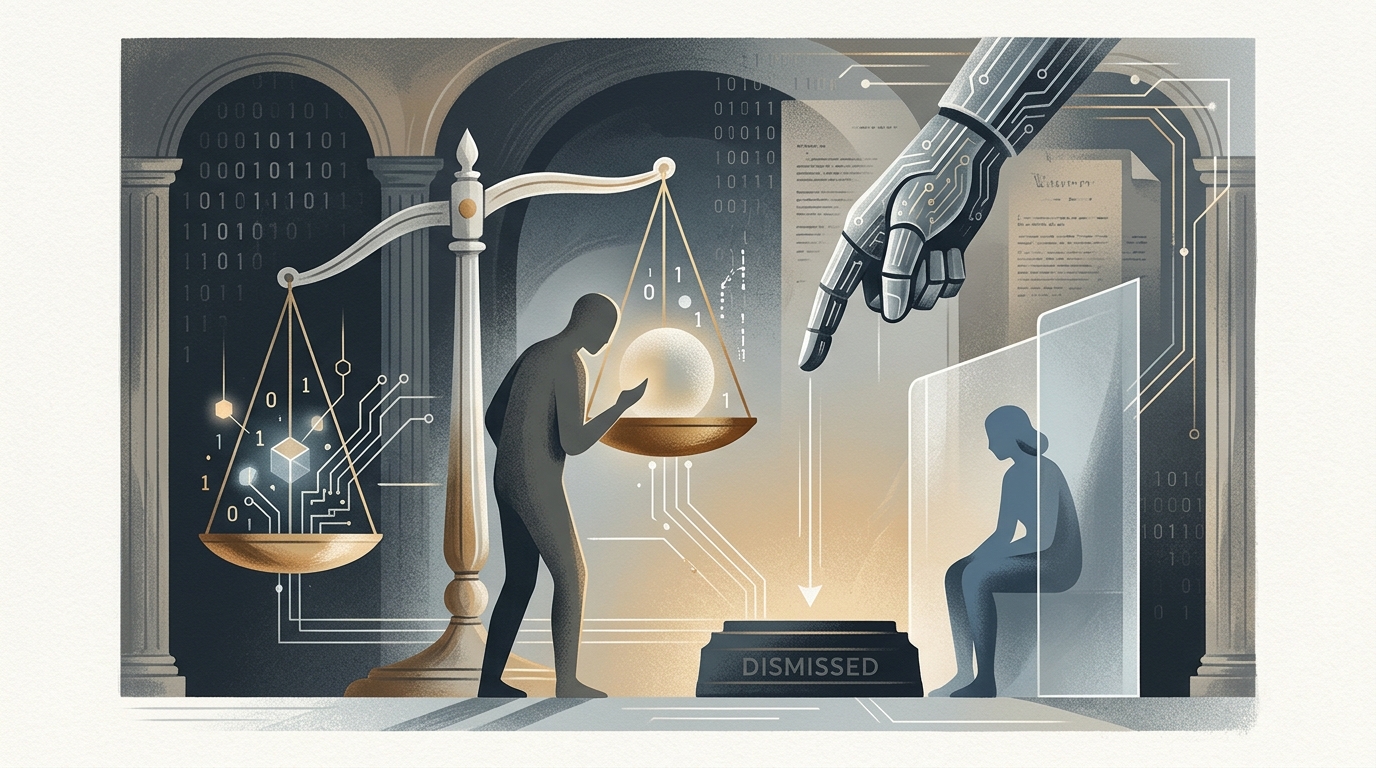
Naturally, this trend is not without its critics. Some argue that religion has no place in technological development and could introduce exclusionary biases. However, proponents argue that biases are already baked into the code and that a conscious engagement with ethics and faith can only help in identifying and mitigating them.
As AI continues to evolve at an exponential pace, the need for spaces that promote reflection and community will likely grow. Silicon Valley may remain the epicenter of global innovation, but perhaps the most significant breakthrough of the coming years won't be a new algorithm, but the rediscovery of the human soul within the digital wilderness. Integrating faith into the workspace represents a bold response to the alienation often brought about by high technology.
The Broader Impact on Tech Culture
This movement suggests a maturing of the tech industry. No longer content with just building tools, developers are asking what those tools are for. By grounding their work in ancient traditions, they are attempting to build a future that is not just smarter, but wiser. Whether this trend remains a niche phenomenon or transforms the fabric of Silicon Valley remains to be seen, but it marks a clear departure from the purely secular technocracy of the past decade.
- Faith-based hubs provide a sanctuary from the high-pressure environment of tech startups.
- AI's "god-like" capabilities are forcing developers to reconsider spiritual and ethical boundaries.
- The movement emphasizes community and mental health over raw output.