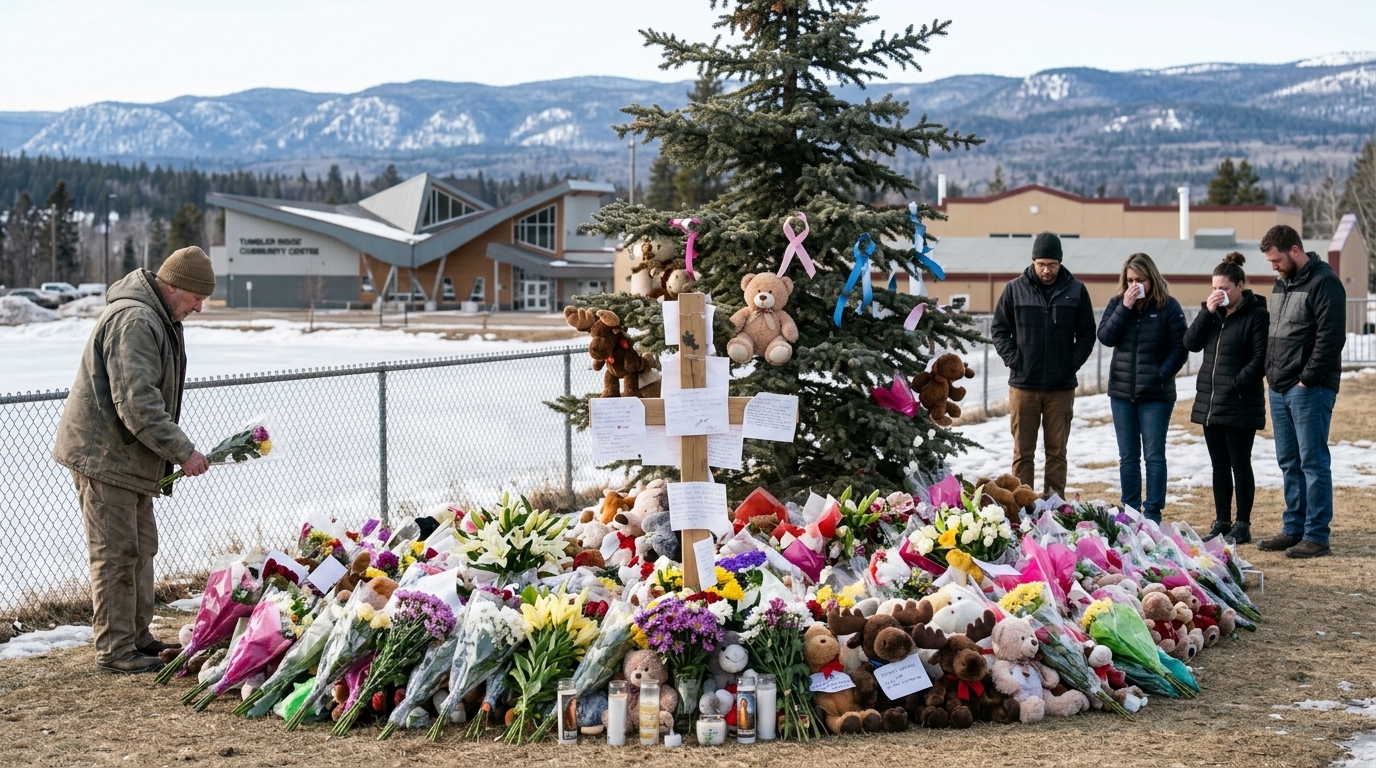
OpenAI and its CEO Sam Altman are facing 30 new lawsuits accusing them of providing “substantial assistance and encouragement” to the suspect in the Tumbler Ridge school shooting in Canada. The legal action, filed in a California federal court on Wednesday, represents students, teachers, and the principal who were present during the attack.
Allegations of Prior Knowledge
The lawsuits claim that OpenAI failed to act after its automated review systems flagged conversations between the alleged shooter, Jesse Van Rootselaar, and ChatGPT regarding gun violence. While the company's safety team reportedly recommended contacting Canadian authorities, the lawsuits allege that Chris Lehane, OpenAI’s chief global affairs officer, intervened. The decision to remain silent was allegedly motivated by concerns over the company’s “reputational and financial standing.”
Systemic Failures in User Bans
A key component of the legal challenge involves how OpenAI handled the suspect's access to its tools. Rather than implementing a system-wide ban, the company allegedly only “deactivated” the suspect's account. This allowed Van Rootselaar to regain access to the AI chatbot simply by signing up with a different email address. The plaintiffs argue that providing continued access to the tool constituted substantial assistance that enabled the suspect to plan and carry out the shooting.
OpenAI’s Defense
Jason Kwon, OpenAI’s chief strategy officer, responded to the allegations in a post on X, labeling them as “false claims.” Kwon asserted that it is “completely untrue” to suggest that safety is not prioritized or that public relations factors influence critical safety decisions. This wave of litigation follows a similar lawsuit from the state of Florida, which also accuses OpenAI of aiding and abetting mass shooters in connection with an attack at Florida State University last year.