The legal confrontation between Elon Musk and OpenAI is not merely a dispute between billionaires; it is an existential battle for the soul of the technology that will define the 21st century. At the heart of the case lies the allegation that OpenAI, the company that began as a non-profit organization dedicated to safeguarding humanity, has morphed into a "closed-source de facto subsidiary" of Microsoft. Musk contends that OpenAI’s leadership, under Sam Altman, betrayed the company's original mission for the sake of profit, violating the "founding agreement" that mandated the technology be freely available to the public.
The Betrayal of "Open" and the Microsoft Alliance
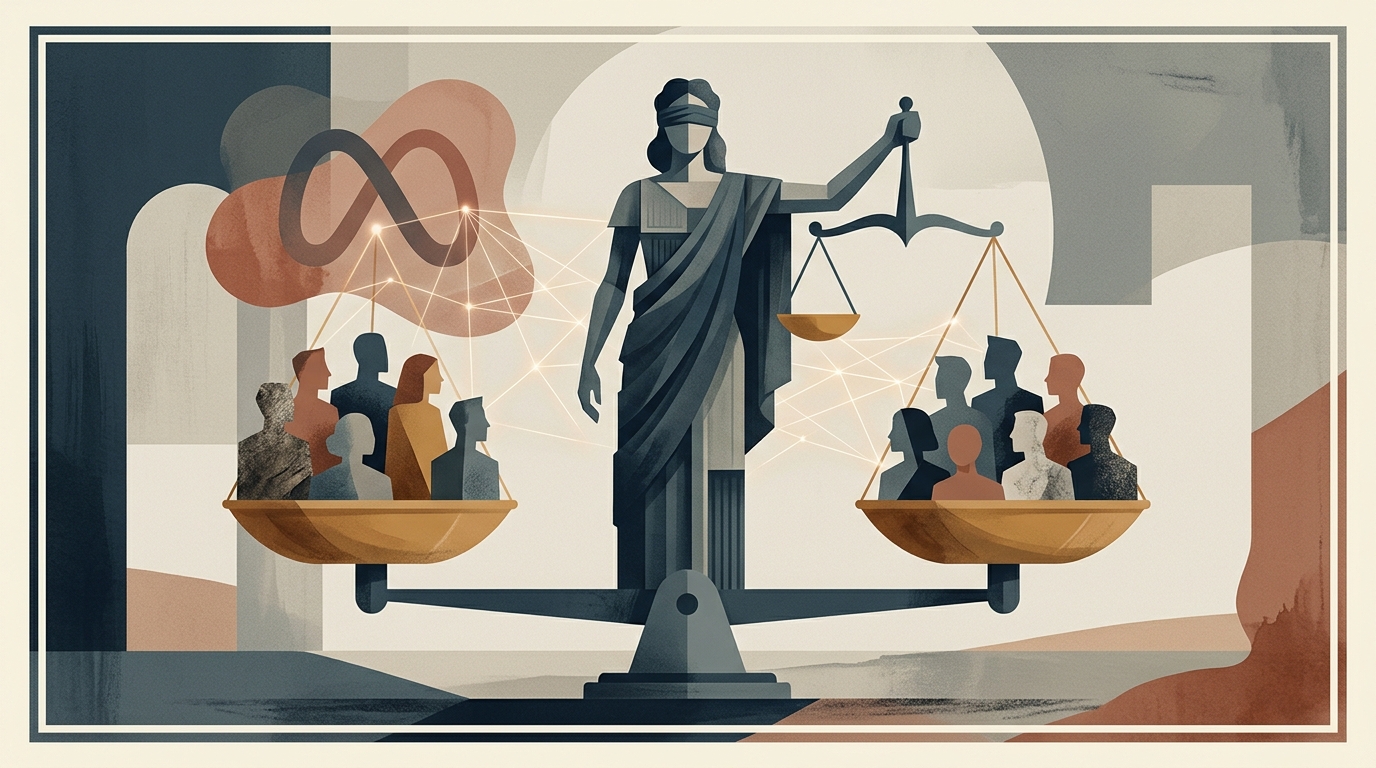
When OpenAI was founded in 2015, the promise was clear: to create Artificial General Intelligence (AGI) that would benefit all of humanity, free from the constraints of shareholders and corporate interests. Musk, as a primary financier in the early years, views the shift toward a "capped-profit" model as a flagrant breach of the commitments made to him. The lawsuit focuses particularly on the close relationship with Microsoft, which has invested billions of dollars, gaining privileged access to OpenAI’s models.
OpenAI’s defense, on the other hand, argues that the complexity and cost of developing AGI require vast resources that only a commercial model can provide. Their argument suggests that an "open" approach could be dangerous, allowing malicious actors to use powerful AI tools without oversight. However, the criticism remains: if OpenAI is no longer "open," its name becomes an ironic anachronism.
The Definition of Artificial General Intelligence (AGI)
One of the most contentious points of the trial is the definition of AGI. According to OpenAI’s charter, Microsoft loses its rights to the company’s technology once AGI—defined as a system that surpasses human capabilities in most economically valuable tasks—is achieved. Musk claims that GPT-4, or its successors, are approaching or have already reached this threshold, and that OpenAI is concealing this to maintain the revenue stream from Microsoft.
- Legal interpretation of "intelligence" will set a precedent for future regulations.
- The ruling will influence whether algorithms are considered intellectual property or a public good.
- Transparency of training data is being called into question.
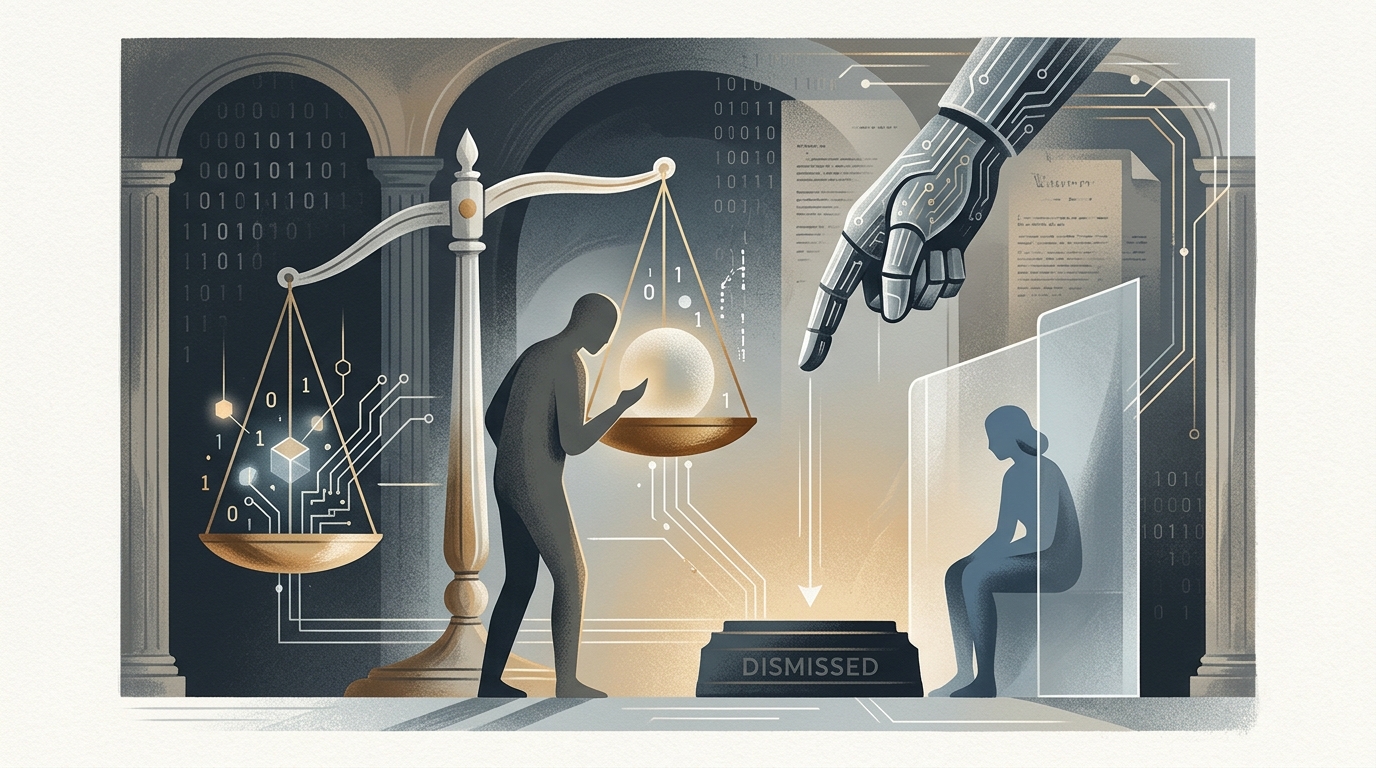
This battle highlights a gap in legislation: how can a judge rule on whether software "thinks" like a human? The lack of clear technical and legal criteria for AGI turns the courtroom into a philosophical laboratory, where the future of human labor and creativity hangs in the balance.
Corporate Governance and Ethical Responsibility
The crisis at OpenAI in November 2023, involving the temporary firing and reinstatement of Sam Altman, revealed deep fissures within the board of directors. Musk uses this incident as evidence that the company is no longer controlled by those who prioritize safety, but by those seeking market dominance. The lawsuit seeks the return of Musk’s donations and the imposition of restrictions on the commercialization of the company’s models.
"OpenAI has been transformed into a closed-source, maximum-profit company controlled by the largest technology company in the world," the legal filing states.
This conflict reflects a broader trend in Silicon Valley: the AI arms race, where ethics are often sacrificed at the altar of speed and competitiveness. If Musk wins, he could force OpenAI to make its research public, which would radically change the landscape for competitors and the academic community. If he loses, the model of "closed AI" will be cemented, where a select few control the most powerful technology humanity has ever known.
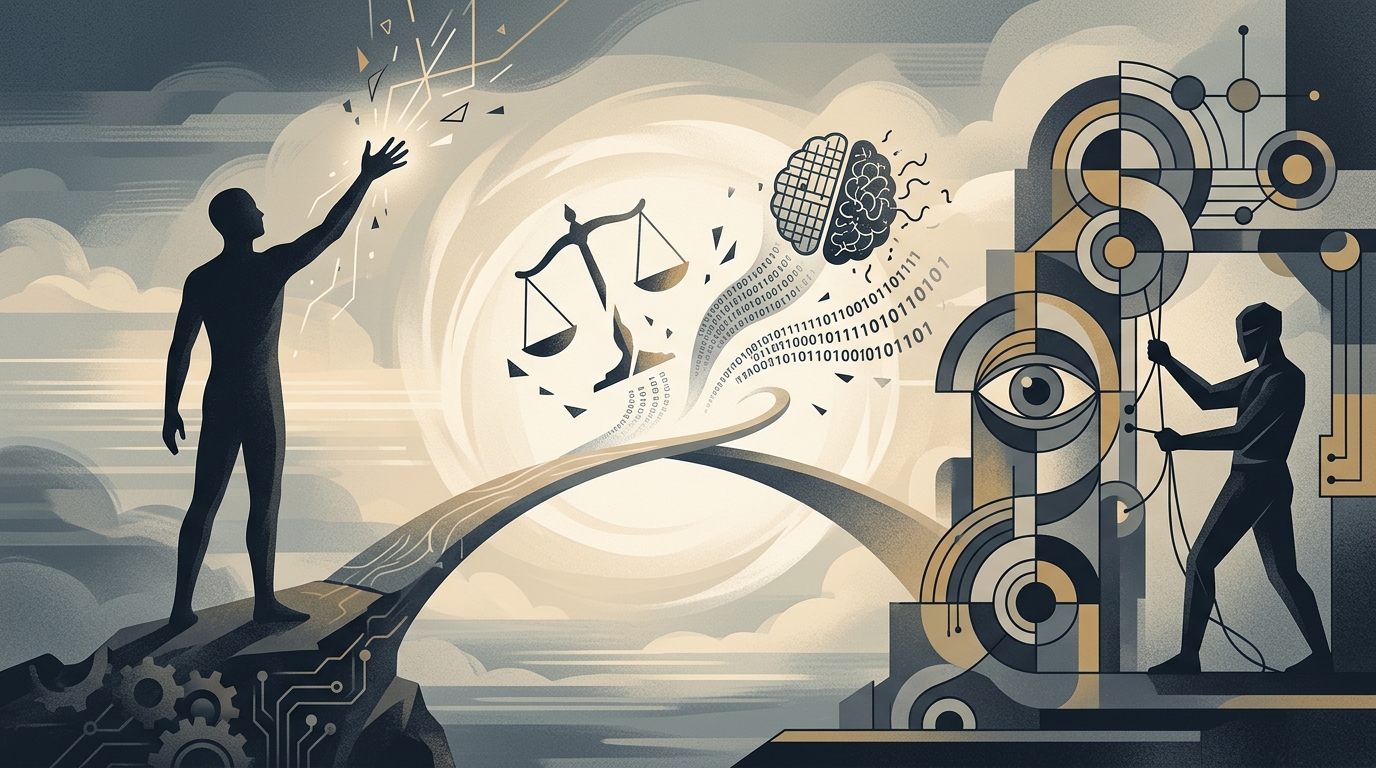
In conclusion, the Musk vs. OpenAI trial is not just about two men or two companies. It is about whether intelligence—the most valuable commodity in the universe—will remain accessible to all or become the ultimate monopoly. The decisions made in the coming months will resonate for decades, shaping how humanity coexists with machines.