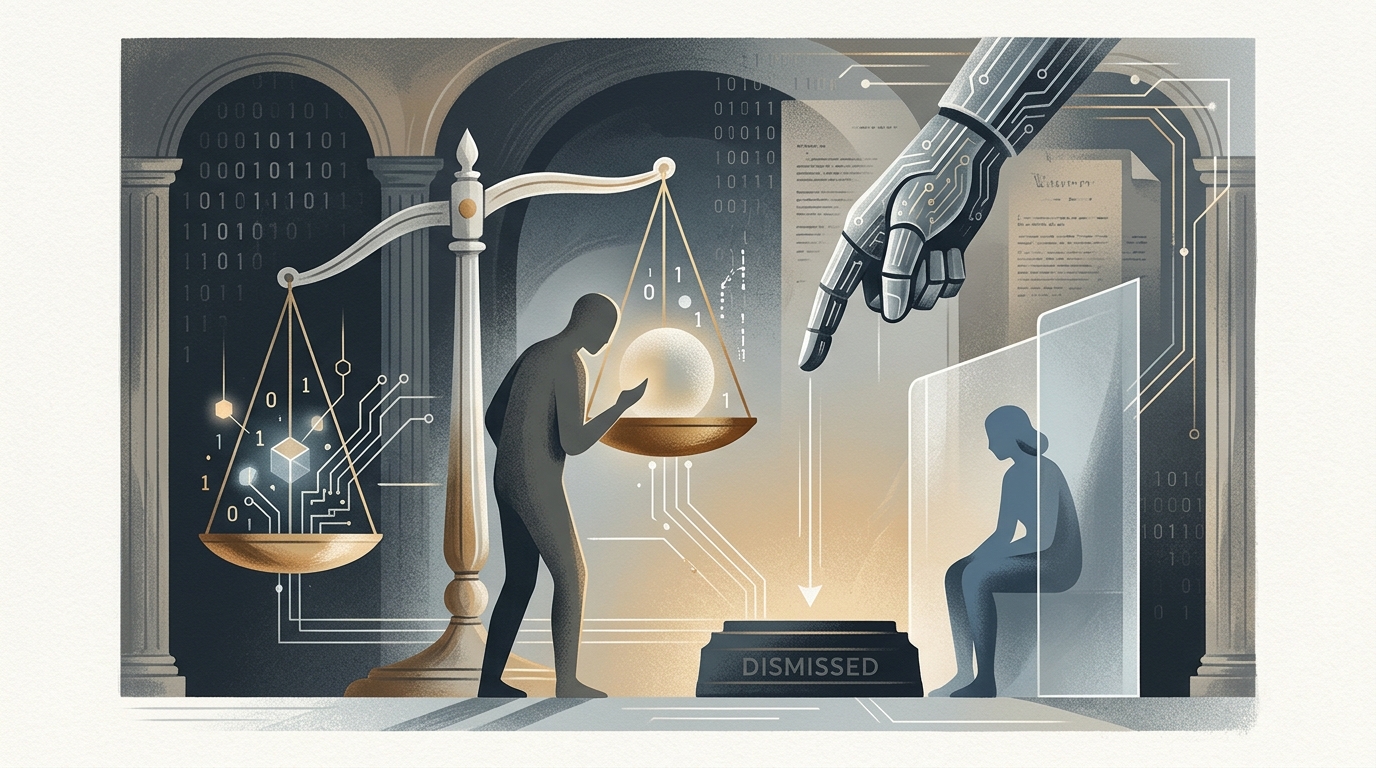
The case that recently unfolded in the Michigan courts is not merely an isolated incident of professional negligence; it is a clarion call for the entire legal profession. An attorney, in an attempt to expedite the drafting of legal documents, placed blind faith in a Large Language Model (LLM). The result? The filing of briefs containing citations to cases that never existed, featuring judge names and docket numbers that were figments of the algorithm's "imagination."
The Anatomy of a Foretold Failure
According to Detroit court filings, the attorney utilized a generative AI tool—likely ChatGPT or a similar model—to identify precedents that would bolster his arguments. The AI, operating on probabilistic patterns rather than a verified database of legal texts, produced convincing prose that mimicked actual judicial opinions. However, when opposing counsel and the court attempted to verify these sources, they discovered a legal edifice built on sand.
The judge presiding over the sanctions was unequivocal. He emphasized that the use of technology does not absolve a legal professional from the fundamental duties of diligence and candor toward the tribunal. The sanctions imposed are not just financial; they strike at the heart of the attorney's professional reputation and raise serious disciplinary concerns with the State Bar.
The Nature of 'Hallucinations' and Legal Error
To understand how this happened, we must demystify the functioning of LLMs. These systems are not search engines like Google; they are next-token prediction engines. When prompted for a legal citation, they "guess" what the most plausible structure of such a citation would be. Without access to closed, verified legal databases, they will invent a reference that sounds authoritative but is entirely fictitious.
- AI hallucinations occur because the model prioritizes linguistic coherence over factual accuracy.
- A lack of critical thinking by the user transforms a powerful tool into a liability for the justice system.
- Legal research mandates verification from primary sources, a step many professionals skip in favor of speed.
Ethical Dimensions and the Future of Law
The Michigan incident reignites the debate over AI ethics. Is it ethical to bill a client for work performed by a machine in seconds? More importantly, who bears the liability when the machine errs? In jurisprudence, responsibility is personal and non-delegable. The attorney stands as the guarantor of the validity of their claims.
"Technology can assist in drafting, but the signature at the end of the document belongs to a human, and with it comes the responsibility for every single word," noted a legal analyst in Detroit.
In the future, it is expected that courts will require specific disclosures from attorneys regarding whether and how AI was used in drafting their filings. Already, several federal judges in the U.S. have issued standing orders requiring certifications that any AI-generated content has been verified by a human being.
Global Implications for Professional Standards
While this incident occurred in the United States, the lessons are universal. As legal systems worldwide embrace digitization, practitioners must be doubly cautious. Using AI tools to translate or summarize international rulings, for instance, carries the same risks if not cross-referenced with official texts. Technology must serve justice, not undermine it through the lure of convenience. The legal profession's value lies in its judgment, not just its output.