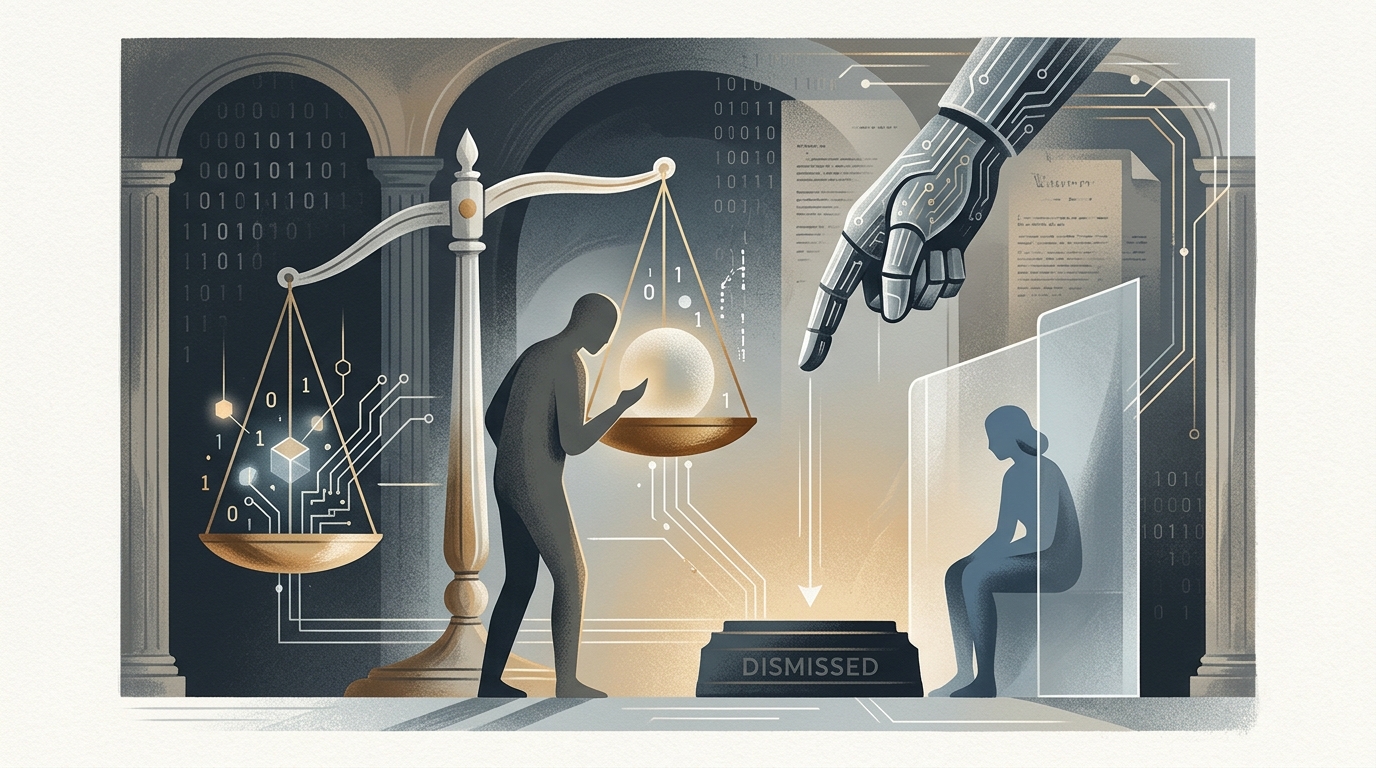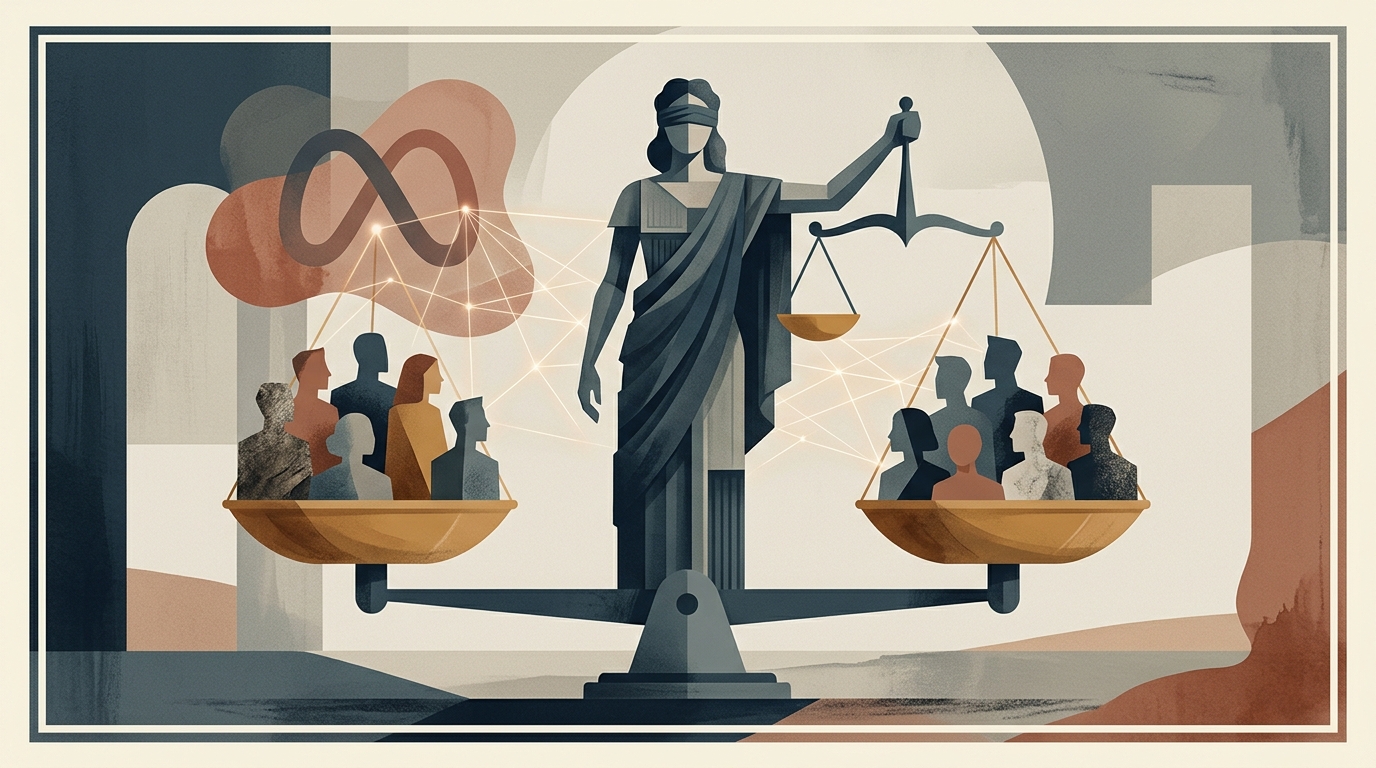
The case of Giorgia Meloni is not merely another instance of online harassment; it represents a pivotal moment where artificial intelligence collides head-on with political power and human dignity at the highest level. The dissemination of manipulated images and videos depicting the Italian Prime Minister in explicit scenarios—products of sophisticated deepfake algorithms—sent shockwaves through Rome, forcing the legislature to move at speeds rarely seen in bureaucratic Europe.
The Legal Battle and Its Symbolism
Choosing not to remain silent, Meloni filed a lawsuit seeking €100,000 in damages from the creators of the content, a 40-year-old man and his 73-year-old father from Sardinia. This move is not financial, but deeply symbolic. The Prime Minister stated that the amount, if awarded, would be donated to a Ministry of Interior fund supporting women victims of violence. In doing so, Meloni is transforming a personal affront into a national awareness campaign for digital identity rights.
"A woman's dignity, whether she is a Prime Minister or an ordinary citizen, cannot be subjected to malicious manipulation by algorithms devoid of ethics."
The case highlights a dark facet of technological progress: the use of AI as a tool for "revenge porn" or political destabilization. In Meloni's case, the motive appears to be a combination of misogyny and an attempt to devalue her institutional role. The ease with which these images were created—using software now accessible to anyone—sounds an alarm for every public figure, and indeed, every unsuspecting citizen.
Italy as a Legislative Pioneer
Rome's response was not limited to the courtroom. The Italian government has championed a new bill that establishes the malicious use of AI as a specific criminal offense. The new provisions include prison sentences of up to six years for those using AI to damage the reputation of others or deceive the public. This strictness places Italy at the forefront of the global effort to regulate AI, surpassing in some respects even the guidelines of the European Union's AI Act.
- Criminalization: Creating non-consensual deepfake content is now considered a felony under specific circumstances.
- Protection of Minors: Stricter penalties apply when the victim is a minor or a vulnerable person.
- Platform Accountability: Social networks are obligated to remove content immediately upon reporting, or face crippling fines.
The Italian approach is based on the principle that the digital sphere is not a "lawless jungle" but an extension of society where the same moral and legal rules apply. The Meloni administration argues that freedom of expression ends where the violation of personality and the construction of false realities begin.
The Societal Dimension: Deepfakes and Misogyny
Analysts point out that 90% of deepfake videos circulating online involve non-consensual pornographic content targeting women. The attack on Meloni was not an isolated incident but part of a broader trend of "digital misogyny." Using technology to sexualize women in positions of power aims to humiliate them and undermine their authority.
Sociological analysis of the phenomenon shows that perpetrators often feel an illusion of anonymity and impunity. Meloni's trial, however, proves that digital footprints are indelible. Italian authorities managed to track the perpetrators through IP addresses and data left on the platforms where the material was uploaded. This sends a powerful message across Europe: technology may create lies, but justice has the tools to find the truth.
Conclusions and the Path Forward
The Meloni case is a landmark for the relationship between technology and democracy. As AI evolves, our ability to distinguish the real from the fake is tested daily. Italy's legislative initiative may serve as a model for other EU member states seeking ways to shield their citizens. The challenge remains one of balance: how do we protect individual dignity without stifling innovation? For Rome, the answer is clear: technology must serve humanity, not humiliate it.