In the shadows of state suppression, where cameras are smashed and journalists are silenced, truth is often the first casualty. However, in the case of Iran's 'Woman, Life, Freedom' movement, a new form of testimony is emerging, sparking an intense debate within the global journalistic and artistic communities. A film depicting the violence of Iranian authorities against protesters is not based on actual field footage, but on images generated entirely by Artificial Intelligence (AI). The paradox is striking: the events are undeniably real, but their visual representation is synthetic.
Technology as a Sanctuary for Memory
The use of AI in documentary filmmaking is not entirely new, but its application in active conflict zones and authoritarian regimes is changing the rules of engagement. The film's creators argue that resorting to AI was not an aesthetic choice, but a necessity for survival. In a country where possessing video of protests can lead to the gallows, AI offers a way to 'show the invisible' without endangering sources or activists on the ground.
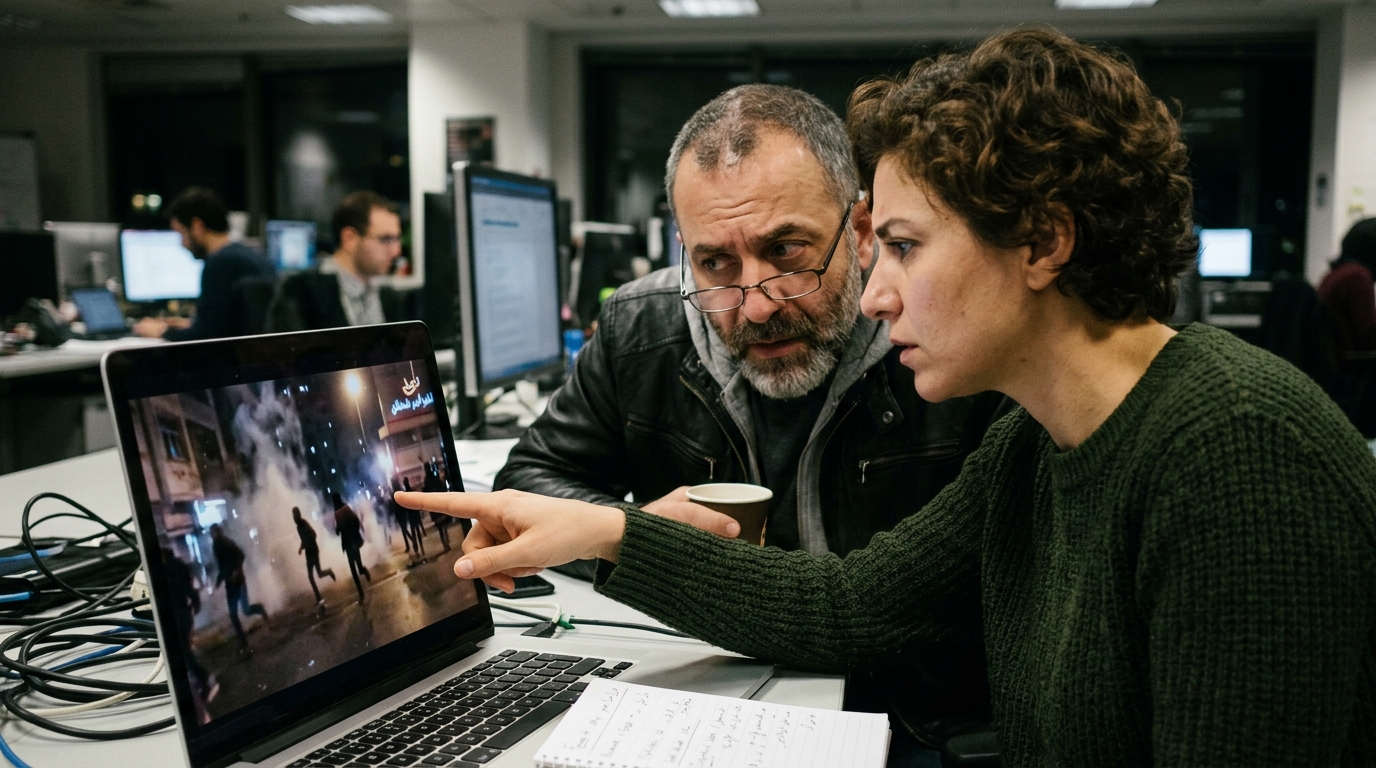
The process involves feeding algorithms with eyewitness descriptions, audio documents, and blurry, amateur mobile phone footage. The result is a cinematic experience that feels hauntingly real, reproducing the atmosphere of Tehran's streets with a clarity that no hidden camera could ever achieve. However, this 'clarity' is precisely where the ethical objections begin.
The Ethical Minefield of Synthetic Truth
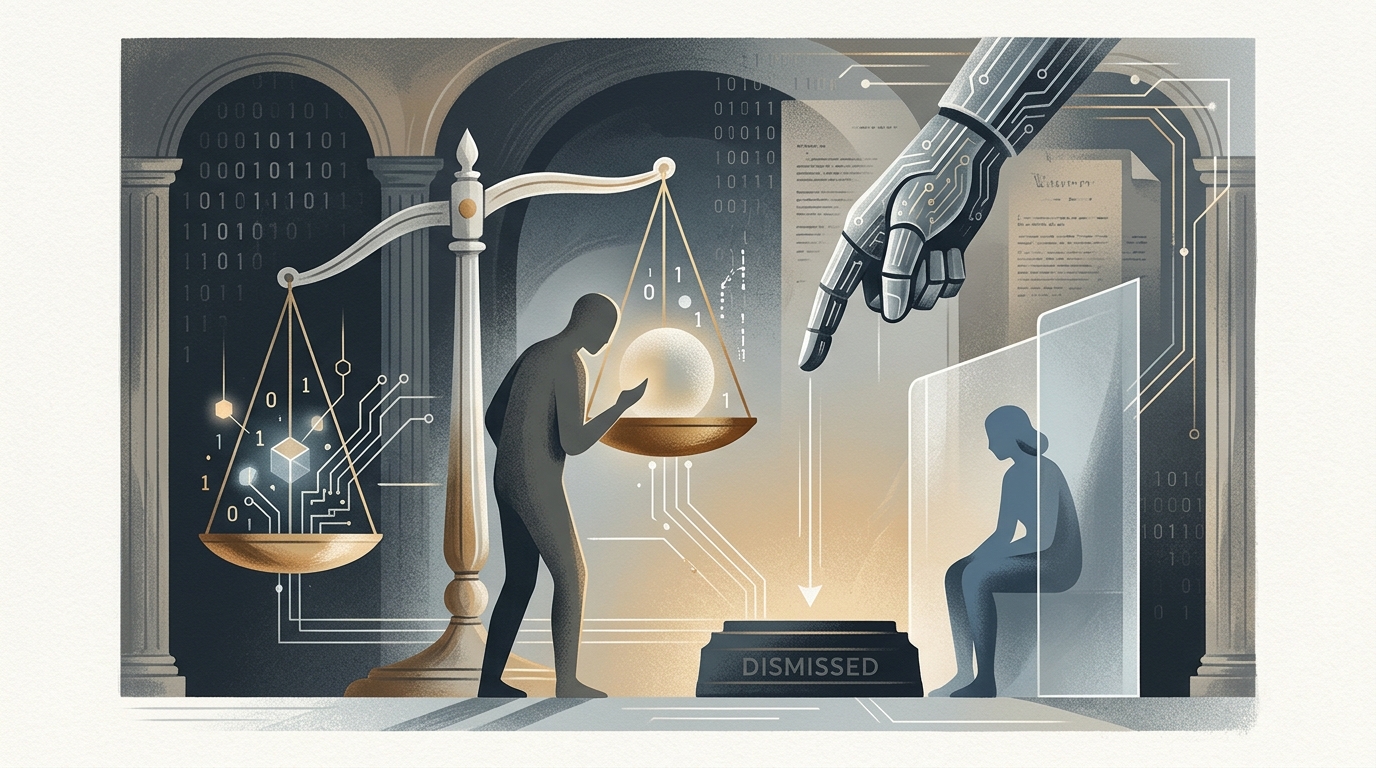
When the line between reality and fabrication blurs, the concept of 'evidence' takes a severe hit. Critics argue that using AI to represent real crimes against humanity could provide perpetrators with the leverage to challenge the validity of all allegations. If a film can 'make' violence, then any authoritarian regime can claim that real leaked videos are also 'AI-generated' products.
- The loss of 'ontological security' in visual testimony.
- The risk of technology being weaponized by state propaganda machines.
- The urgent need for new content certification standards (Content Credentials).
- The psychological impact of synthetic imagery on trauma survivors.
On the other hand, proponents emphasize that art has always represented truth through fiction. The difference here is that AI is not a painter or an actor, but a mirror reflecting statistical probabilities of images. The emotional truth of the film is indisputable for those who lived through the events, but its legal and historical value remains precarious.
Tehran and the Future of Journalism
The precedent set by this film is pivotal. In a world where disinformation is rampant, AI can become the ultimate tool for the oppressed, allowing them to tell their stories when all other avenues are blocked. However, the responsibility of the creators is immense. There must be full transparency regarding what is real and what is synthetic, to ensure that the struggle of those risking their lives for a few seconds of authentic footage is not undermined.
"AI does not replace reality; it rescues it when reality itself is being attempted to be erased from history," says one of the film's contributors.
As we move through 2026, this technology will become increasingly accessible. The challenge for us—viewers and journalists alike—is to develop a new form of 'visual literacy.' We must learn to judge not only what we see but also the process of its production, maintaining our empathy without sacrificing our critical thinking in the face of digital construction.