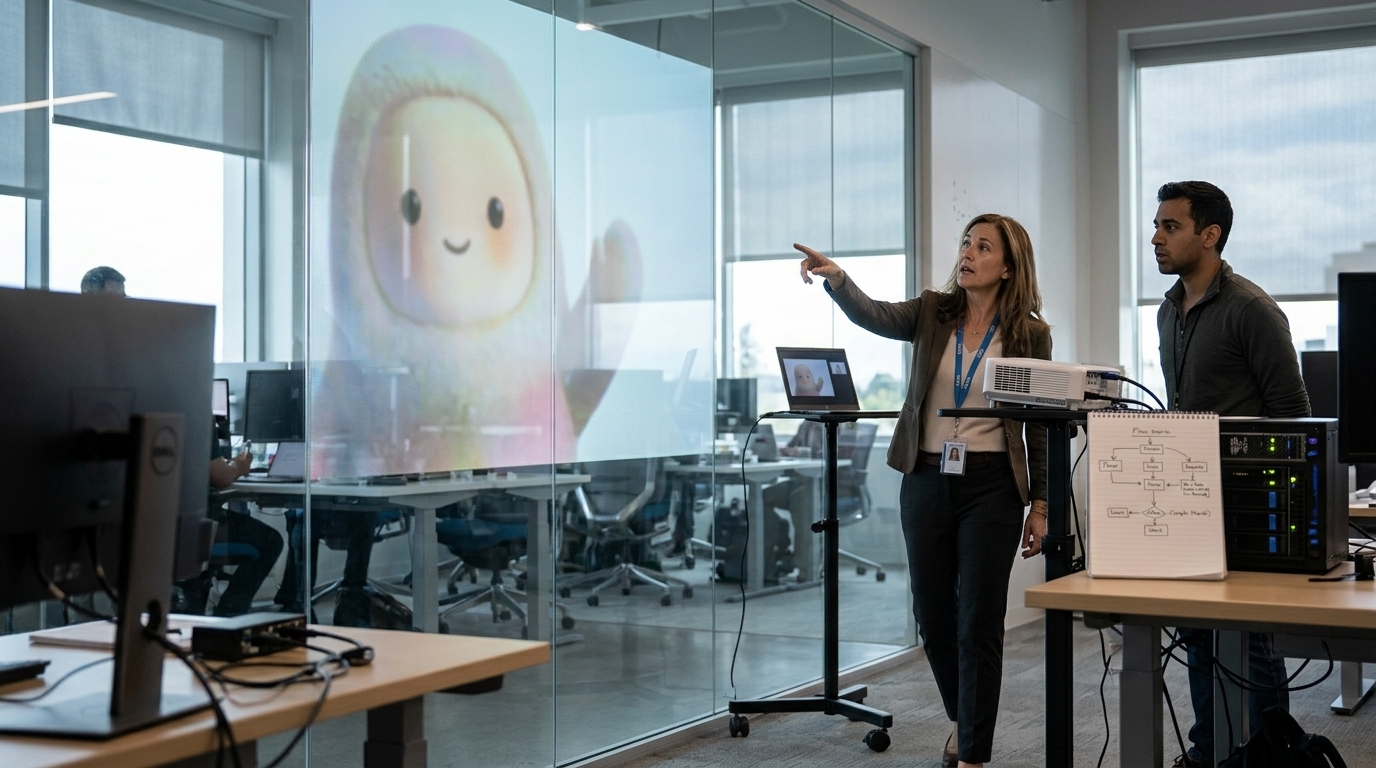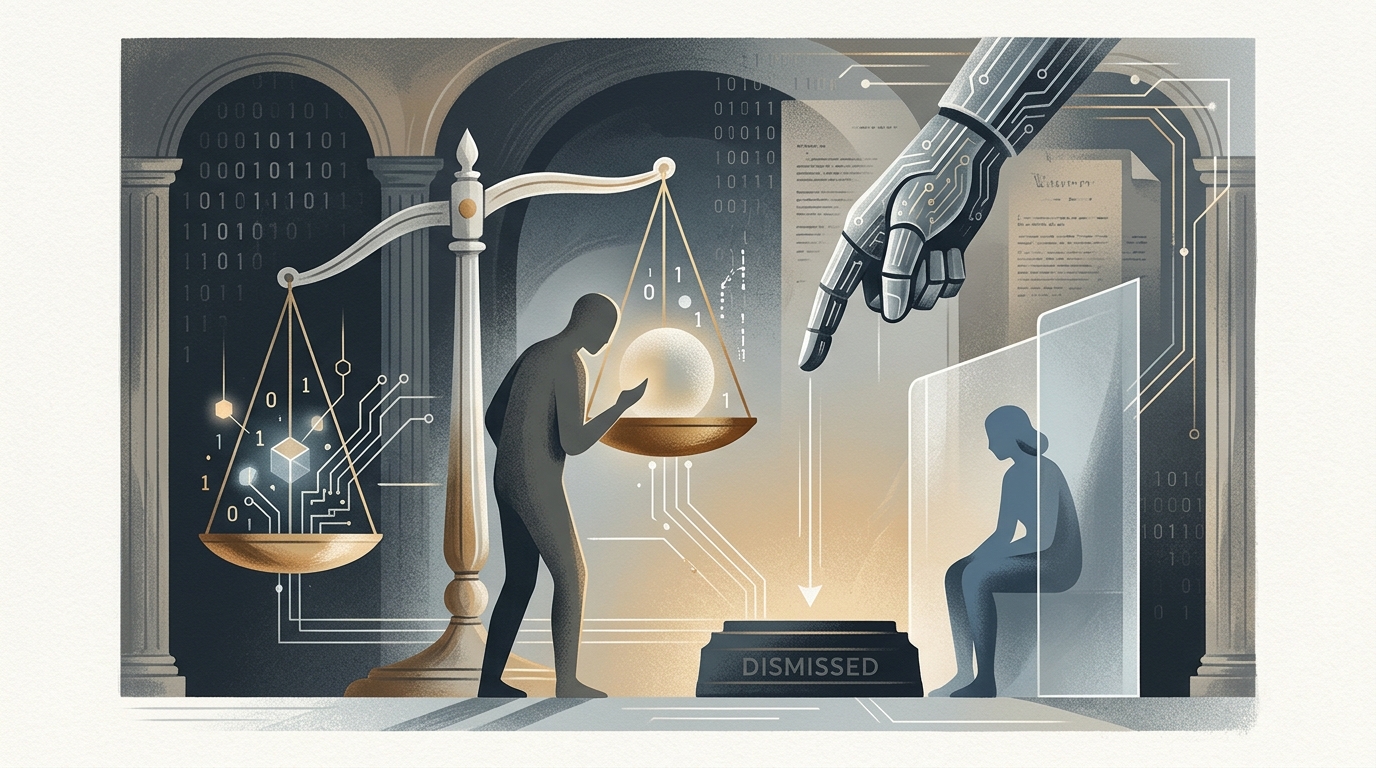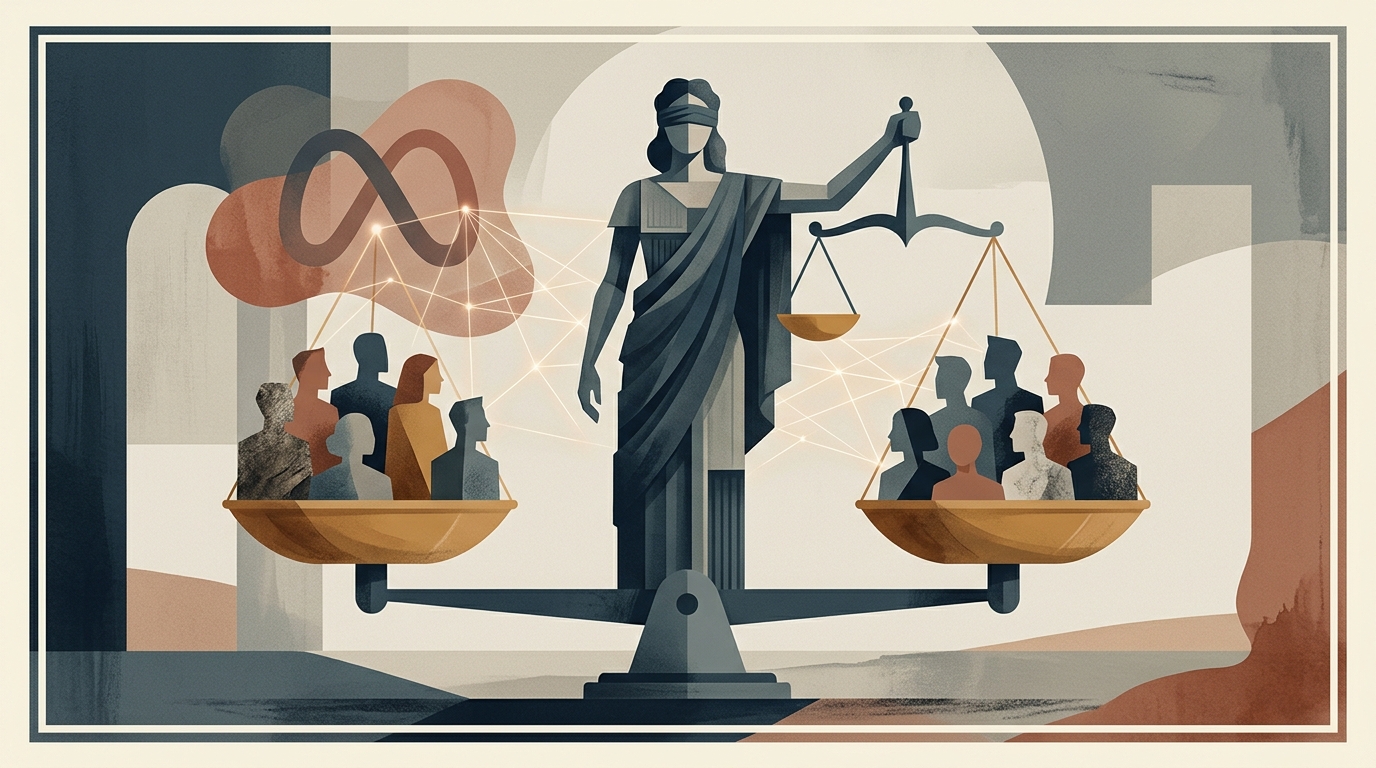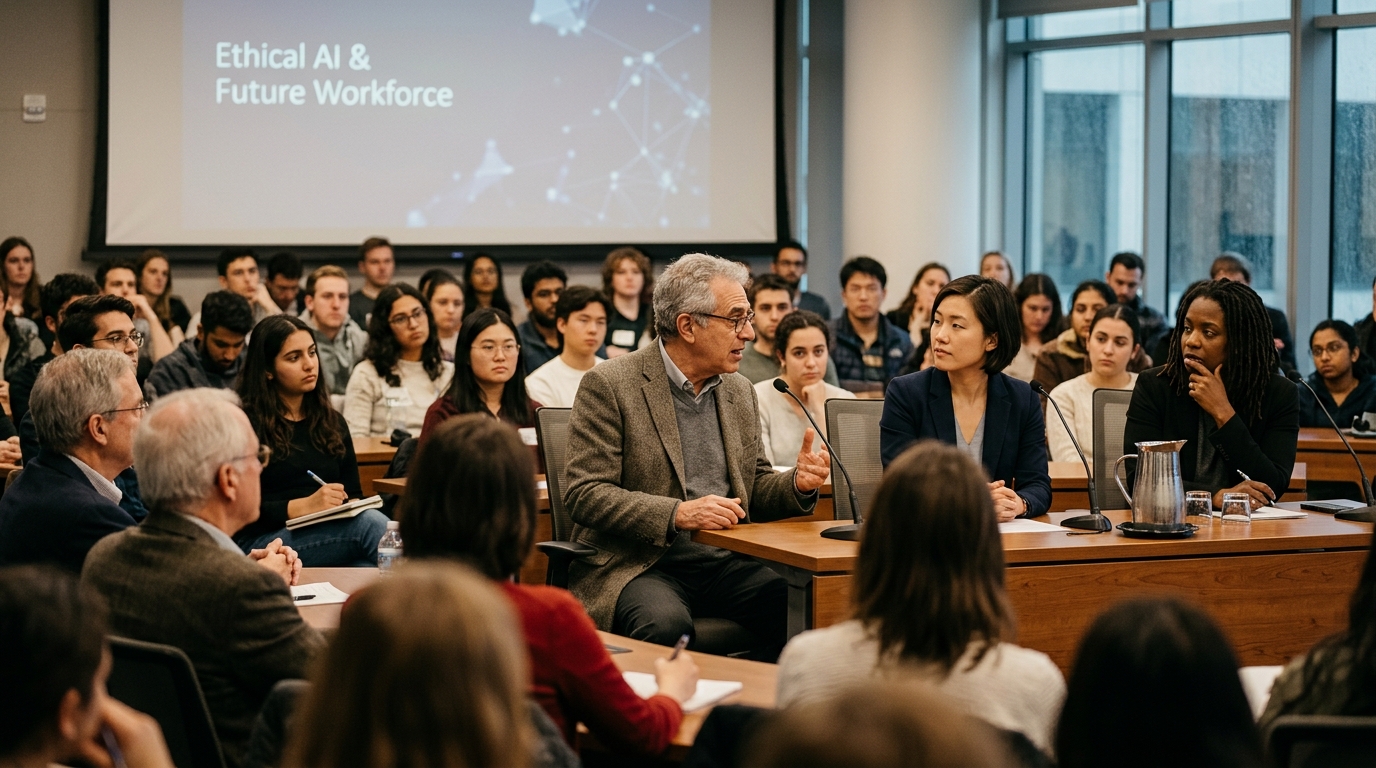
In an era where Artificial Intelligence (AI) is no longer a future promise but a daily reality, Metropolitan College’s Impact Series has emerged as a crucial beacon of dialogue. The recent event titled "Safe Artificial Intelligence and the Future of Work" scrutinized the challenges and opportunities arising from the rapid integration of algorithms into the production process.
The Ethical Dimension of Safe AI
The concept of "safe" Artificial Intelligence goes beyond merely avoiding technical glitches. It concerns the issue of alignment—ensuring AI systems resonate with human values and ethical standards. During the lectures, it was emphasized that safety in AI means transparency in algorithms, the absence of bias, and, above all, ensuring that control remains in human hands.
Speakers highlighted that the European Union, through the AI Act, has laid the foundations for a regulatory framework that protects fundamental rights. However, technology often moves faster than legislation. The need for "Ethics by Design"—designing systems that incorporate ethical constraints from the very first line of code—was deemed imperative to avoid dystopian scenarios in the labor market and social cohesion.
The Future of Work: Replacement or Augmentation?
One of the central questions addressed in the Impact Series was whether AI will lead to mass unemployment or a new era of creativity. Expert analysis leaned towards the theory of "augmented work." Instead of fully replacing workers, AI is expected to take over repetitive, low-value tasks, freeing up time for strategic thinking and creative problem-solving.
However, this transition will not be painless. The need for reskilling and upskilling is more urgent than ever. Metropolitan College, through these initiatives, highlights the role of higher education as a bridge between academic knowledge and the shifting needs of the market. Skills now considered essential include critical thinking, emotional intelligence, and the ability to collaborate with intelligent systems.
The Role of Education in the AI Age
Education is called upon to redefine itself. It is no longer enough to transmit knowledge that can be found with a single click in a large language model. Lecture participants agreed that the modern educational institution must teach students how to ask the right questions (prompt engineering) and how to critically evaluate AI outputs.
- Cultivating digital literacy at all levels.
- Focusing on the humanities as a counterweight to a purely technocratic approach.
- Collaboration between universities and industry for immediate graduate absorption.
The Impact Series proved that the discussion about AI in Greece has matured. It is no longer a theoretical pursuit but a roadmap for survival and prosperity in the 4th Industrial Revolution. Metropolitan College's commitment to outward-looking innovation serves as an example of how the academic world can lead social change.
"AI will not replace humans, but humans who use AI will replace those who do not."
In conclusion, safe AI and the future of work are inextricably linked to education and ethical vigilance. The Metropolitan College initiative provides the necessary tools to understand that while technology is the means, humanity remains the end goal.