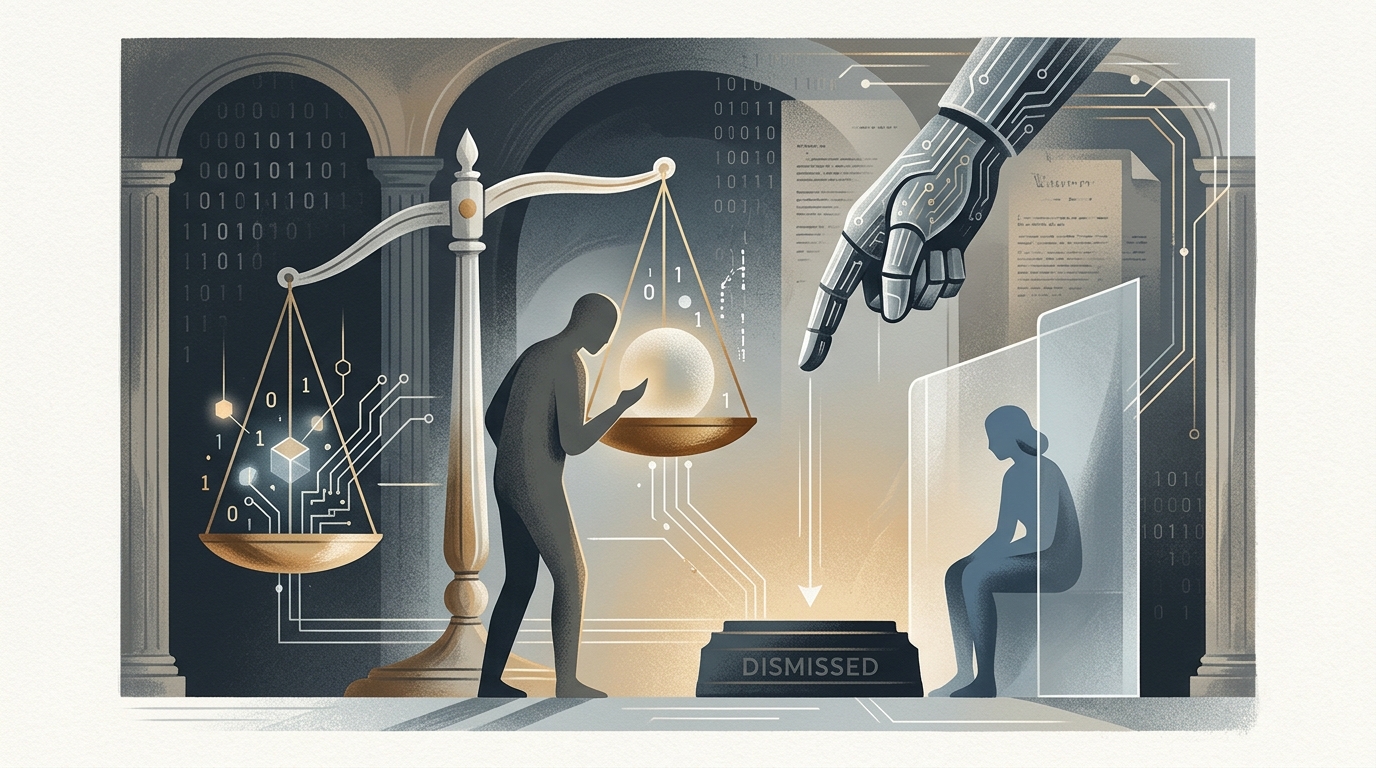
The revelation that Terrence Cheng, the former Chancellor of the Connecticut State Colleges and Universities (CSCU) system, submitted a formal report that was partially generated by artificial intelligence is more than just a bureaucratic stumble. It represents a watershed moment for leadership ethics in the age of generative algorithms. In an academic landscape where students face severe disciplinary action for using tools like ChatGPT, the discovery that the individual at the apex of the administrative hierarchy utilized similar technology for a strategic document creates a profound sense of institutional hypocrisy.
The Anatomy of a Digital Lapse
The controversy erupted when Board of Regents members and faculty representatives noticed a peculiar blandness and a lack of granular, system-specific data in Cheng’s report. The prose was overly structured, leaning heavily on the generic corporate jargon that has become a hallmark of unrefined AI output. When confronted, the admission that segments of the text were machine-generated sent shockwaves through the faculty unions, who have been laboring to establish rigorous AI guidelines for the classroom.
Cheng, who was already under the microscope for high travel expenses and a perceived disconnect from faculty concerns, found himself in a defensive crouch. His justification—that AI served as a "productivity aid"—rang hollow for many. In the realm of academic ethics, the distinction between a "tool" and a "replacement for critical thought" is the thin line separating innovation from intellectual laziness. When a leader fails to invest their own intellectual capital into a report that dictates the future of thousands of students and faculty, the very foundation of institutional trust is eroded.
Double Standards and the Crisis of Credibility
At the heart of the outcry is the stark asymmetry of consequences. Across most American universities, the unauthorized use of AI by a student is categorized as academic dishonesty, often resulting in a failing grade or expulsion. However, when a high-salaried executive uses the same technology to bypass the labor of drafting an official report, the repercussions are often framed as administrative oversight rather than moral failing.
- Transparency Deficit: Cheng failed to disclose the use of AI until it was identified by others.
- The Devaluation of Process: Writing an executive report is a process of synthesis and reflection, not just text production.
- The Message to Students: If the Chancellor can "outsource" his thinking, why should a freshman be held to a higher standard?
The CSCU case serves as a clarion call for higher education institutions globally. AI is not merely a productivity tool; it is a mirror reflecting our core values. If we permit leadership to automate their vision, we are essentially sanctioning the gradual alienation of administration from the actual substance of education. The human element in leadership—the ability to provide nuanced, context-aware direction—cannot be replaced by a large language model.
The Imperative for Executive AI Governance
The solution is not a Luddite-style ban on AI, but rather the implementation of strict transparency protocols for executive leadership. University leaders must be the vanguard of disclosure, explicitly stating when and how algorithmic tools are integrated into their workflow. Academic integrity does not terminate at the classroom door; it must originate in the Chancellor’s office. The crisis in Connecticut may well be the catalyst for a much-needed national dialogue on the "digital ethos" of those in power.
"Artificial intelligence can synthesize information, but it cannot assume the burden of responsibility. When a leader hides behind an algorithm, they abdicate their primary duty: to be present, authentic, and accountable," noted a prominent faculty critic.
In conclusion, the Cheng affair highlights a structural vulnerability in modern governance. As AI becomes increasingly seductive for its time-saving potential, the risk of leadership devolving into a series of automated clichés is palpable. The academic community must demand a return to authenticity, ensuring that those who lead are as committed to the principles of original thought as the students they serve.