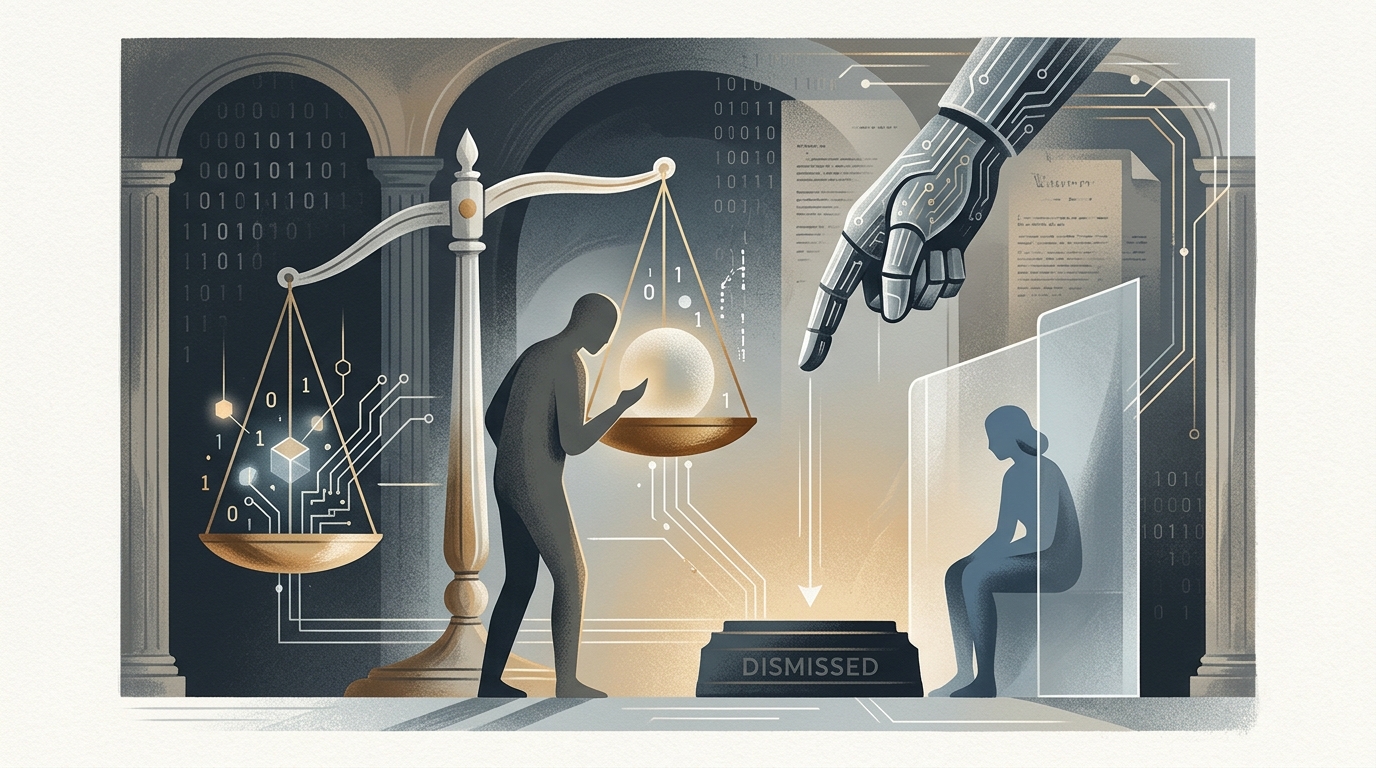
In an era where loneliness is evolving into a 'silent epidemic' across the Old Continent, an unexpected figure has emerged to fill the void: the algorithm. Europe’s youth, from Berlin to Athens, are increasingly turning to Artificial Intelligence (AI) chatbots to share their deepest thoughts, fears, and anxieties. This trend, transforming AI into a 'digital confessor,' is not merely a technological development but a profound social symptom requiring immediate analysis.
The Illusion of Empathy
Why does a teenager or a young adult prefer talking to a screen rather than a human? The answer lies in accessibility and the absence of judgment. Large Language Models (LLMs) are programmed to be polite, patient, and, most importantly, available 24/7. Unlike a friend who might get tired or a therapist who requires an appointment and high fees, the chatbot is always there.
However, experts warn of the danger of 'simulated empathy.' AI does not feel; it simply predicts the next word that would sound most comforting based on its training data. This distinction is critical. When a young person relies on an algorithm for emotional validation, there is a risk of becoming alienated from real human relationships, which are often complex, messy, and require effort.
The Gap in Mental Health Systems
The shift toward chatbots also highlights the failures of European healthcare systems. According to recent reports, waiting lists for public mental health services in many EU countries exceed six months. Into this vacuum step tech companies, offering 'digital therapy' as a quick and cheap solution. Ethically, this creates a two-tier society: those who can afford human contact and those restricted to an automated dialogue.
- The lack of judgment from AI creates a 'safe' but artificial environment.
- The risk of 'digital dependency' increases when youth replace social interaction with chatbots.
- Internet anonymity facilitates confession but removes human accountability.
Data Privacy and Ethical Risks
The most concerning issue remains privacy. What happens to the 'confessions' of the youth? This data is extremely sensitive, and despite corporate assurances, its storage on third-party servers poses risks. The European AI Act attempts to set strict rules for applications affecting mental health, labeling them as 'high-risk.' However, technology moves faster than legislation.
'AI can listen, but it cannot understand. The difference between data processing and human understanding is the essence of therapy,' notes a leading European psychiatrist.
In conclusion, while AI can serve as a temporary support or a self-help tool, its transformation into a 'digital confessor' carries traps. The challenge for Europe in 2026 is to find the middle ground: to leverage technology without sacrificing the human connection that is the cornerstone of mental balance.