The digital age, in the dawn of 2026, confronts us with one of the darkest manifestations of artificial intelligence. What began as a technological breakthrough in image processing has mutated into a tool of psychological terrorism sweeping through classrooms worldwide. The creation of non-consensual intimate imagery (NCII) via deepfake applications is no longer a complex endeavor; it is a matter of seconds and a few clicks on a smartphone.
From Hollywood Effects to Playground Weaponry
Until a few years ago, creating a convincing deepfake required hundreds of high-resolution photos, specialized programming knowledge, and powerful computing clusters. Today, the rise of diffusion models and sophisticated neural networks has made the process terrifyingly simple. A single selfie from Instagram or TikTok is enough to feed "undress" apps that circulate freely in the shadows of Telegram channels or dubious websites.
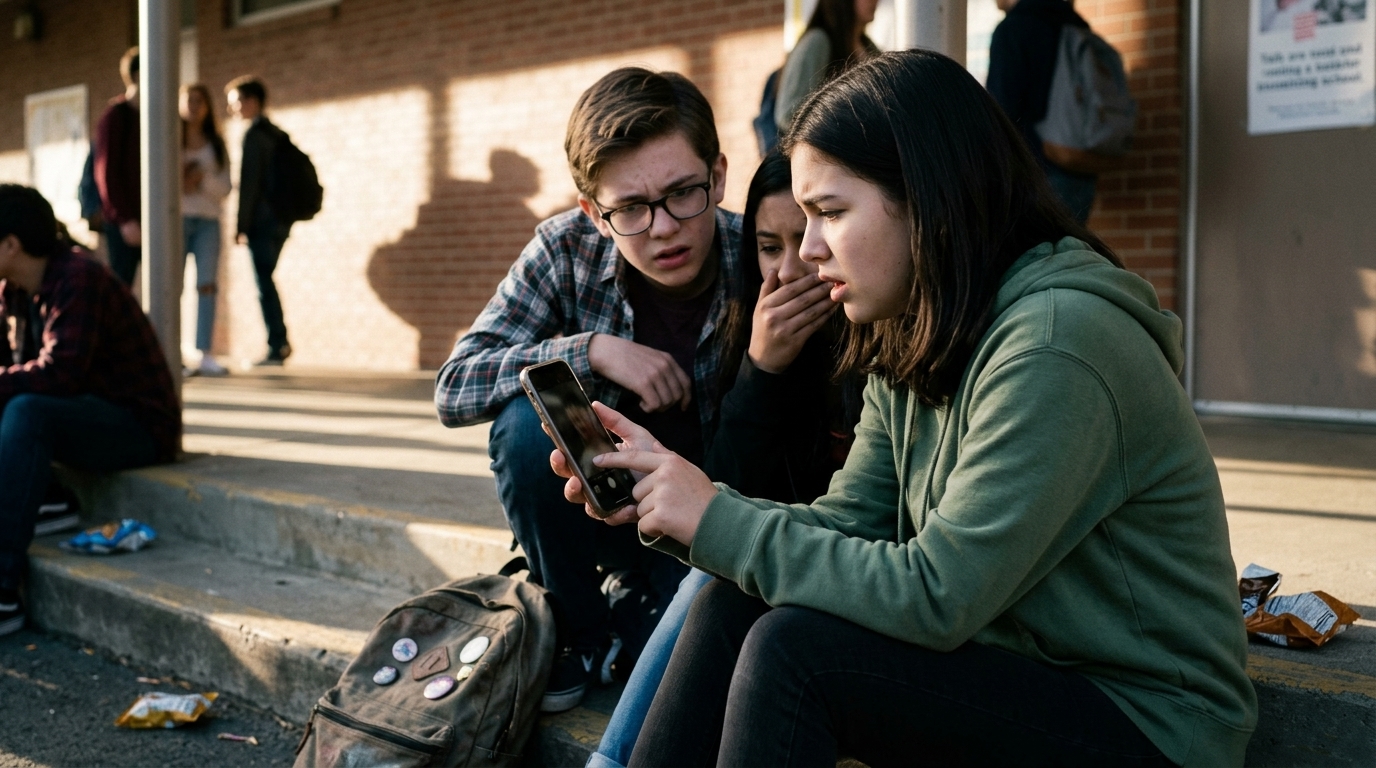
The problem is exacerbated by the fact that the perpetrators are often minors who do not fully grasp the legal and ethical consequences of their actions. For many teenagers, generating such an image is viewed as a "joke" or a means of revenge, without realizing they are committing a crime that can scar a classmate's life forever. This democratization of malice has led to a mass production of digital violence, where the victim—predominantly young girls—is suddenly exposed to a global web with no way to control the narrative.
"It's no longer just a photo. It's the theft of a child's identity and dignity, packaged in an algorithm that has no moral compass," notes a social worker specializing in cyberbullying.
The Psychological Anatomy of Digital Violence
The impact on victims is devastating. The sense of "digital violation" triggers symptoms similar to those of physical abuse: post-traumatic stress, depression, social withdrawal, and, in extreme cases, suicidal ideation. In a school environment, where social acceptance is paramount, a deepfake photo can lead to total ostracization.
Furthermore, the nature of the internet makes deleting this content nearly impossible. Even if the original photo is removed, copies persist on hard drives and private chats, acting as a perpetual threat hanging over the victim's head. This creates a culture of fear, where students are afraid to post even the most innocent photos, severely curtailing their digital freedom and self-expression.
Regulatory Lags in a High-Speed Crisis
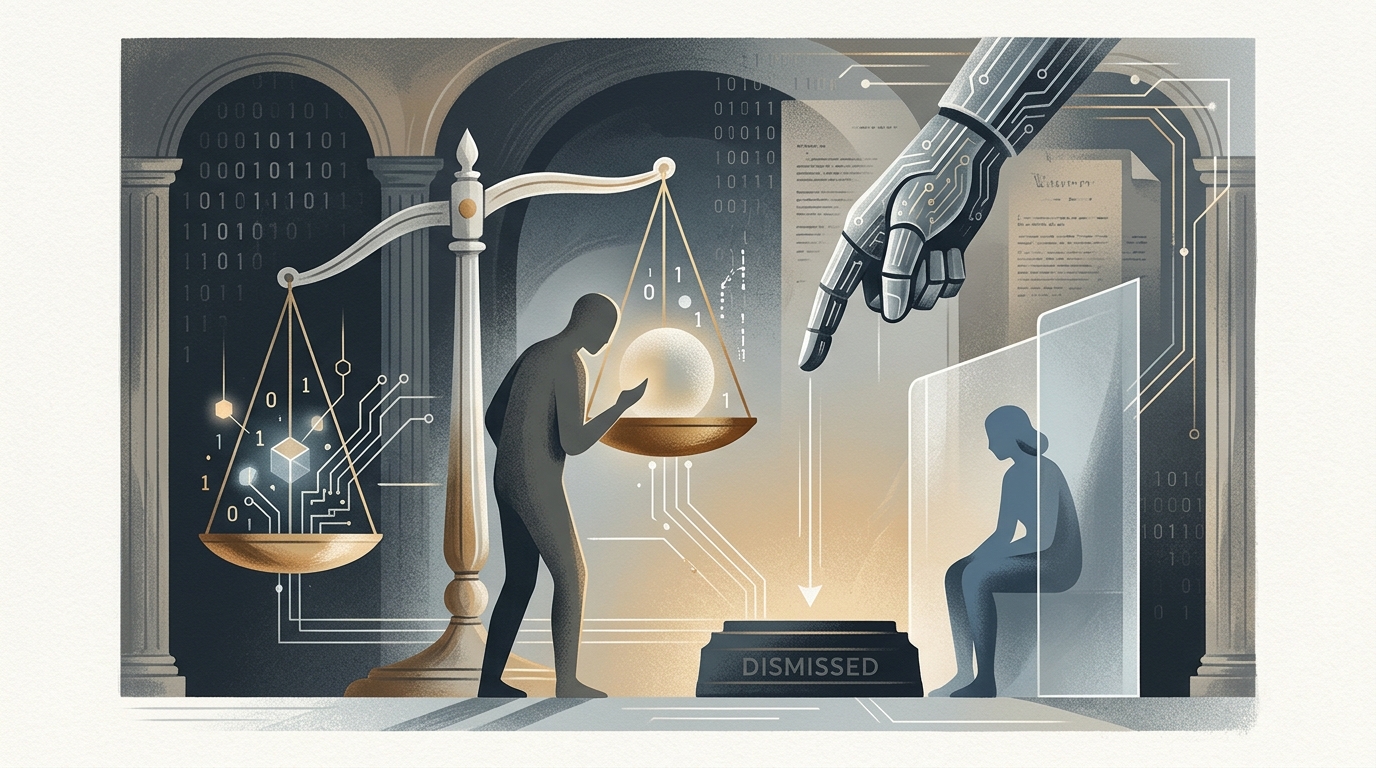
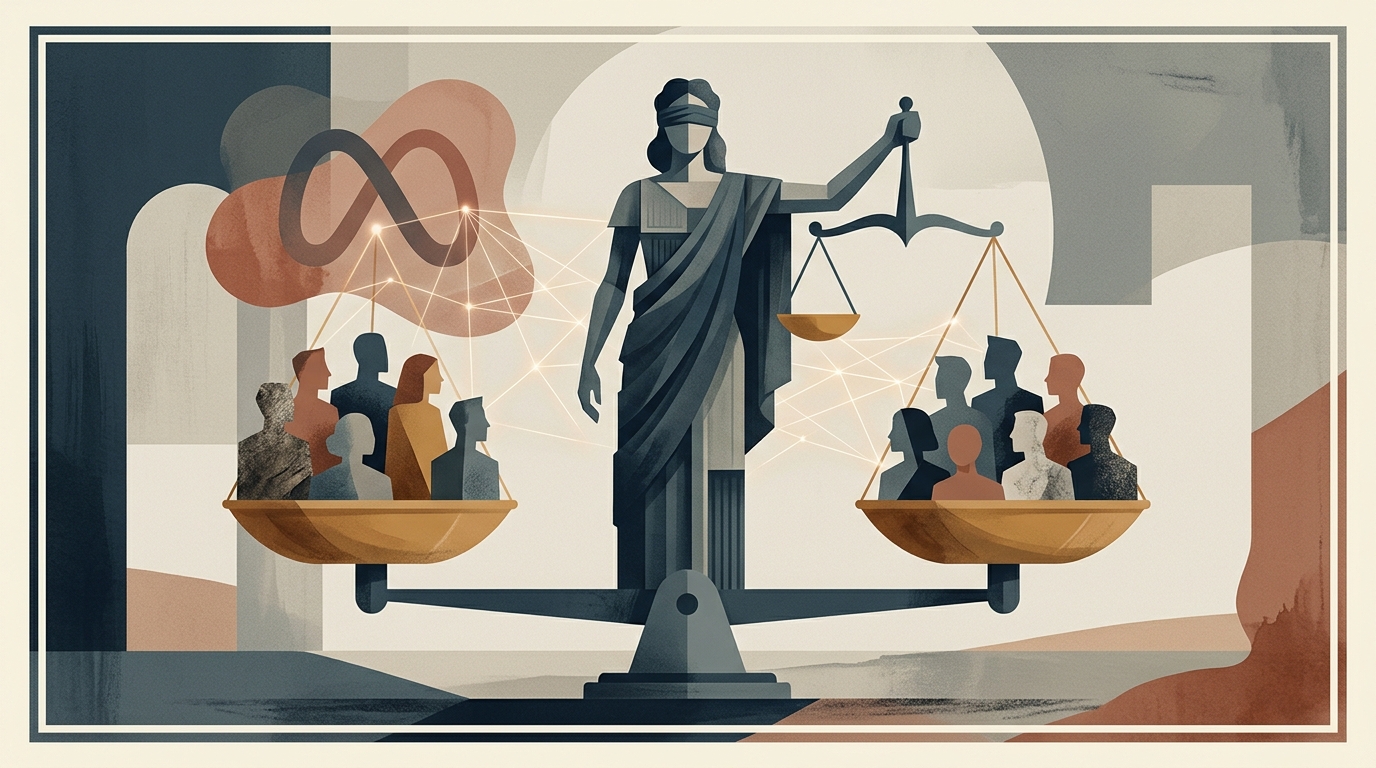
Despite the implementation of the EU AI Act and global efforts to tighten legal frameworks, legislation is struggling to keep pace with technological velocity. Many of the apps used to generate this content are hosted on servers outside the jurisdiction of the EU or the US, making the identification of their creators extremely difficult.
Big Tech platforms also bear a massive responsibility. While they claim to use AI to detect such content, their systems often fail to distinguish a manipulated photo from a real one, especially when shared via encrypted messaging services. The need for "digital watermarking" to identify the origin and authenticity of an image is now urgent, yet its global implementation remains a technical and political puzzle.
Beyond Technology: Cultivating Digital Empathy
The solution cannot be purely technological or legal. It requires a radical overhaul of the educational process. Digital literacy must be integrated into schools not as a technical course, but as a curriculum of ethics and social behavior. Students must be taught the concept of consent in the digital realm and the long-term consequences of creating and distributing forged content.
Simultaneously, parents must remain vigilant, not through policing, but through open dialogue. Understanding the tools their children use is the first step toward protecting them. Artificial Intelligence is a mirror of our society; if we allow it to be used as a weapon against our most vulnerable members, the failure will not belong to the technology, but to our collective humanity.