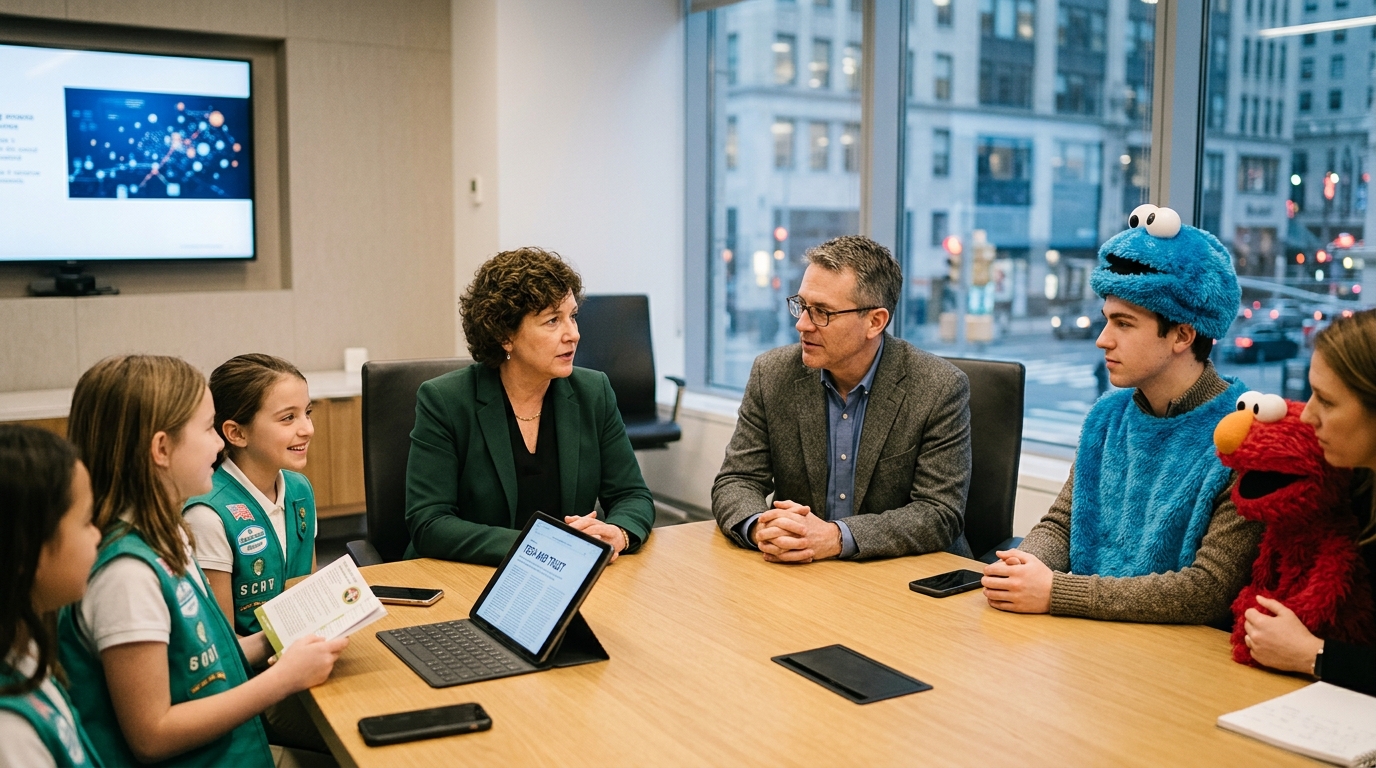
In an era where Silicon Valley faces an unprecedented existential crisis of trust, the world's largest technology companies are seeking refuge in the embrace of childhood innocence. According to recent reports, tech titans like Google and Meta have launched a coordinated effort to partner with iconic organizations such as Sesame Workshop (the non-profit behind Sesame Street) and the Girl Scouts of the USA. The stated goal? To create educational content focused on "digital wellbeing" and online safety.
However, beneath the colorful graphics and beloved characters like Elmo lies a much more complex and, for many, cynical reality. These partnerships are not merely educational initiatives; they are strategic public relations moves designed to deflect mounting legislative pressure and shift the blame for the youth mental health crisis currently sweeping the globe.
The Weaponization of Trust
Sesame Street is more than just a television program; it is an institution that has served as the gold standard for preschool education and moral guidance for decades. When Google partners with Sesame Workshop to teach children how to navigate the web, the company is effectively "borrowing" a portion of the unquestioned trust parents have for Big Bird and Cookie Monster. This transfer of prestige is invaluable at a time when YouTube Kids and Instagram algorithms are accused of promoting addictive content and exposing minors to harmful material.
Similarly, collaborating with the Girl Scouts to create "digital leadership badges" allows these corporations to frame themselves as champions of youth empowerment. Instead of discussing how app designs exploit adolescent psychology to maximize screen time, the conversation is redirected toward "individual responsibility" and user education. It is a classic tactic reminiscent of past campaigns by tobacco or food companies: "We provide the tools; the responsibility for how they are used lies with you."
Legislative Pressure and 'Ethics Washing'
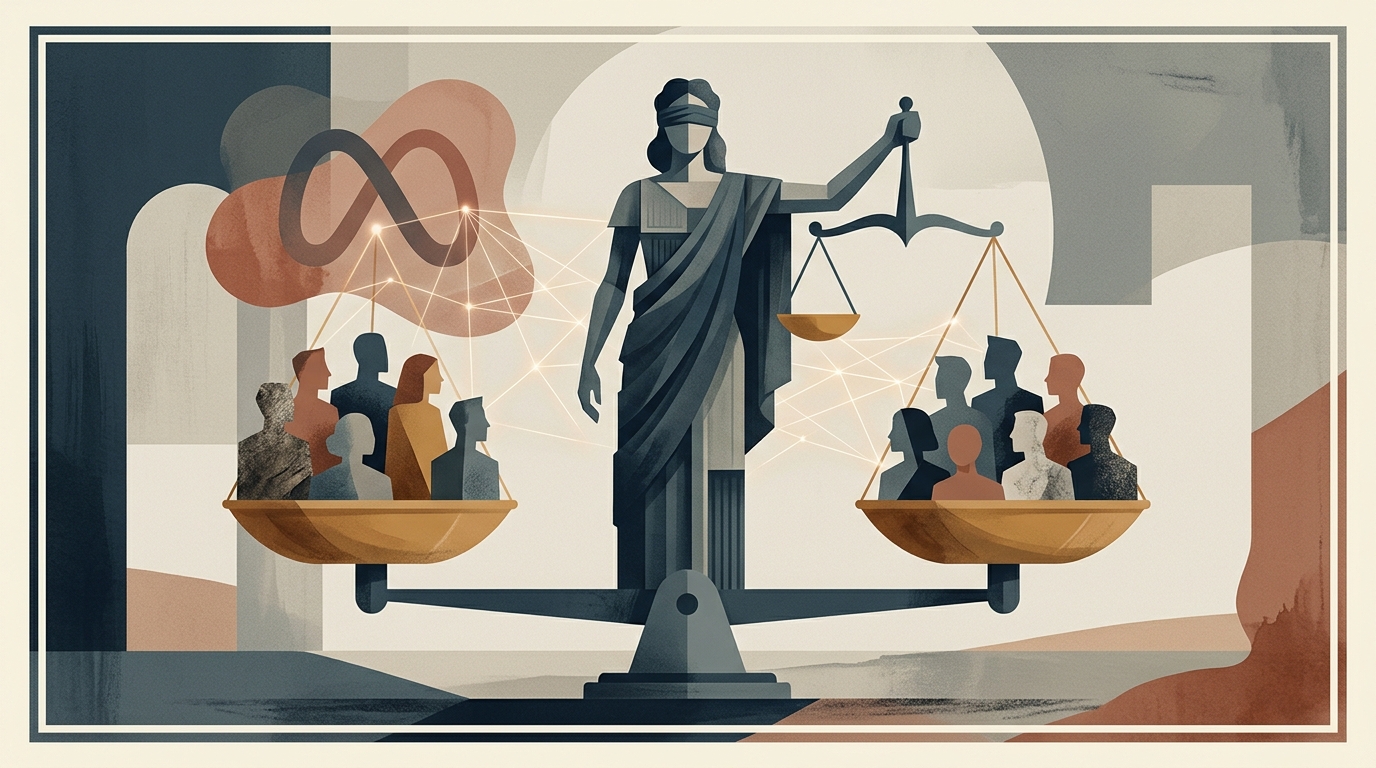
The timing of these initiatives is no coincidence. In the United States, the Kids Online Safety Act (KOSA) is gaining momentum, while in the European Union, the Digital Services Act (DSA) is already imposing strict rules for the protection of minors. Tech giants are facing hundreds of lawsuits from school districts and parents alleging that their platforms have caused depression, eating disorders, and other mental health issues in children.
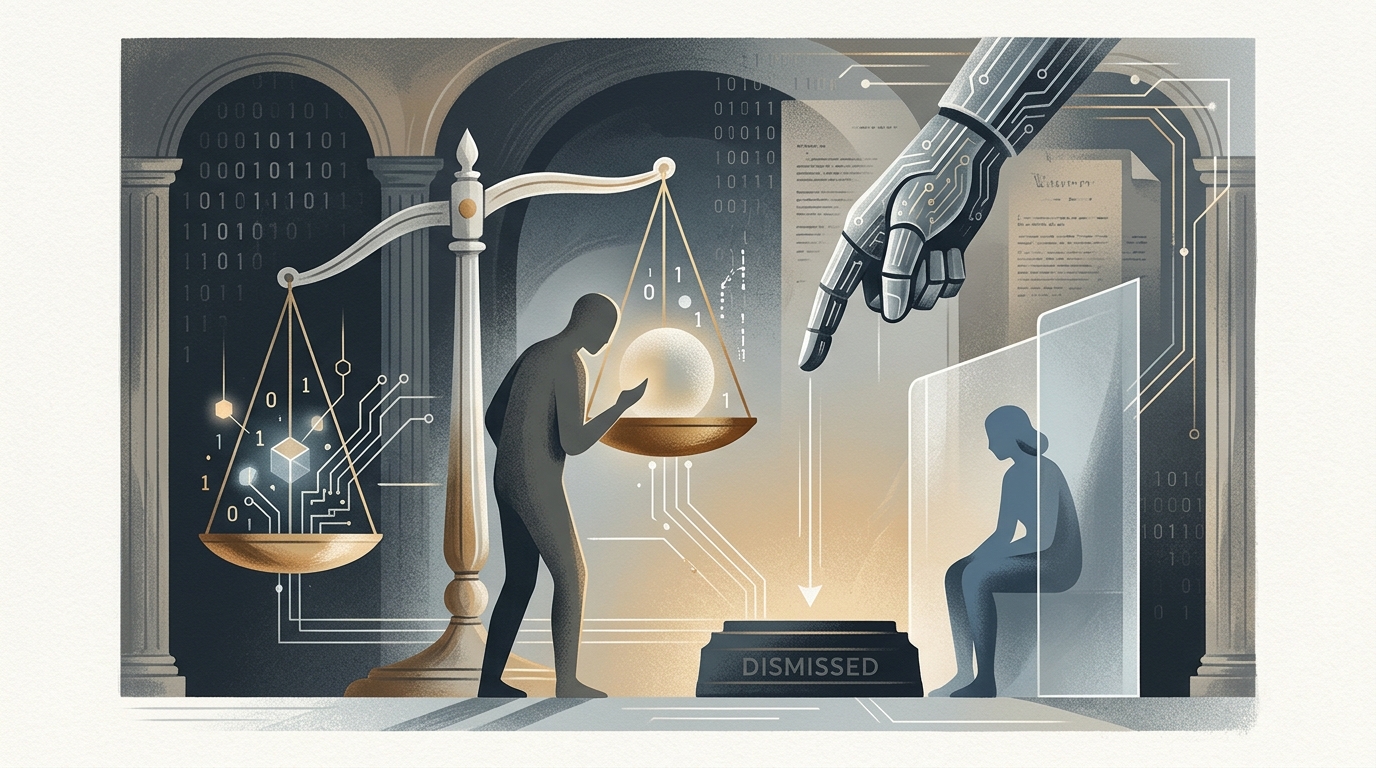
Critics label this phenomenon "ethics washing"—an attempt to project a moral persona that does not align with the company's core business practices. As long as the profitability of these firms remains inextricably linked to the attention economy, any lesson on "digital balance" delivered by a Sesame Street character will seem like a half-measure. Structurally changing algorithms is an expensive and painful process, whereas sponsoring an educational organization is a relatively low-cost communication investment.
The Civil Society Response
Child protection organizations and academics warn that these partnerships could act as a "Trojan horse," allowing tech companies to enter schools and homes in a way that bypasses critical scrutiny. "We cannot outsource online safety education to the very companies that create the risks," advocates argue. The need for independent education and, more importantly, for a more robust regulatory framework remains urgent.
The question now is whether parents and legislators will be swayed by this "innocence offensive." History has shown that corporations rarely self-regulate effectively when their interests conflict with the public good. Big Tech may be donning the educator's cap, but its heart remains set on maximizing profits through the extraction of our data and attention.