In the late 1990s, the Backstreet Boys dominated global charts with their signature harmonies. Today, in June 2026, they find themselves at the vanguard of a very different struggle: the legal fortification of human identity against generative artificial intelligence. The recent news that the group has filed applications to trademark their voices is not merely a move to protect their estate; it is a landmark event that could redefine intellectual property law for the digital age.
From Copyright to Trademark: A Strategic Shift
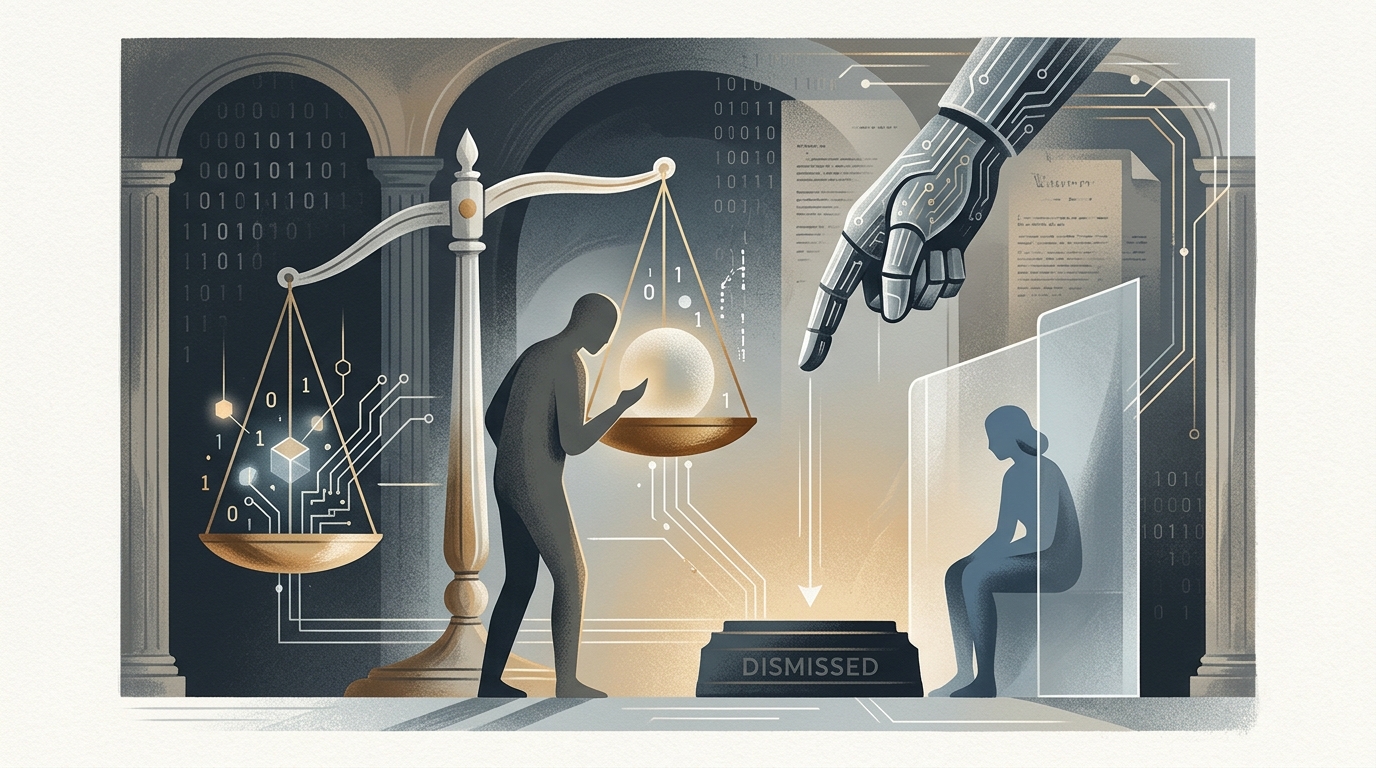
Traditionally, artists have relied on copyright law to protect their work. Copyright covers specific sound recordings and musical compositions. However, the rise of AI—capable of "learning" a singer's timbre, cadence, and stylistic nuances to generate new content without using a single byte of an original recording—has exposed a massive legal loophole. If an AI creates a new song using Nick Carter’s voice but doesn't sample an existing track, traditional copyright often fails to provide a remedy.
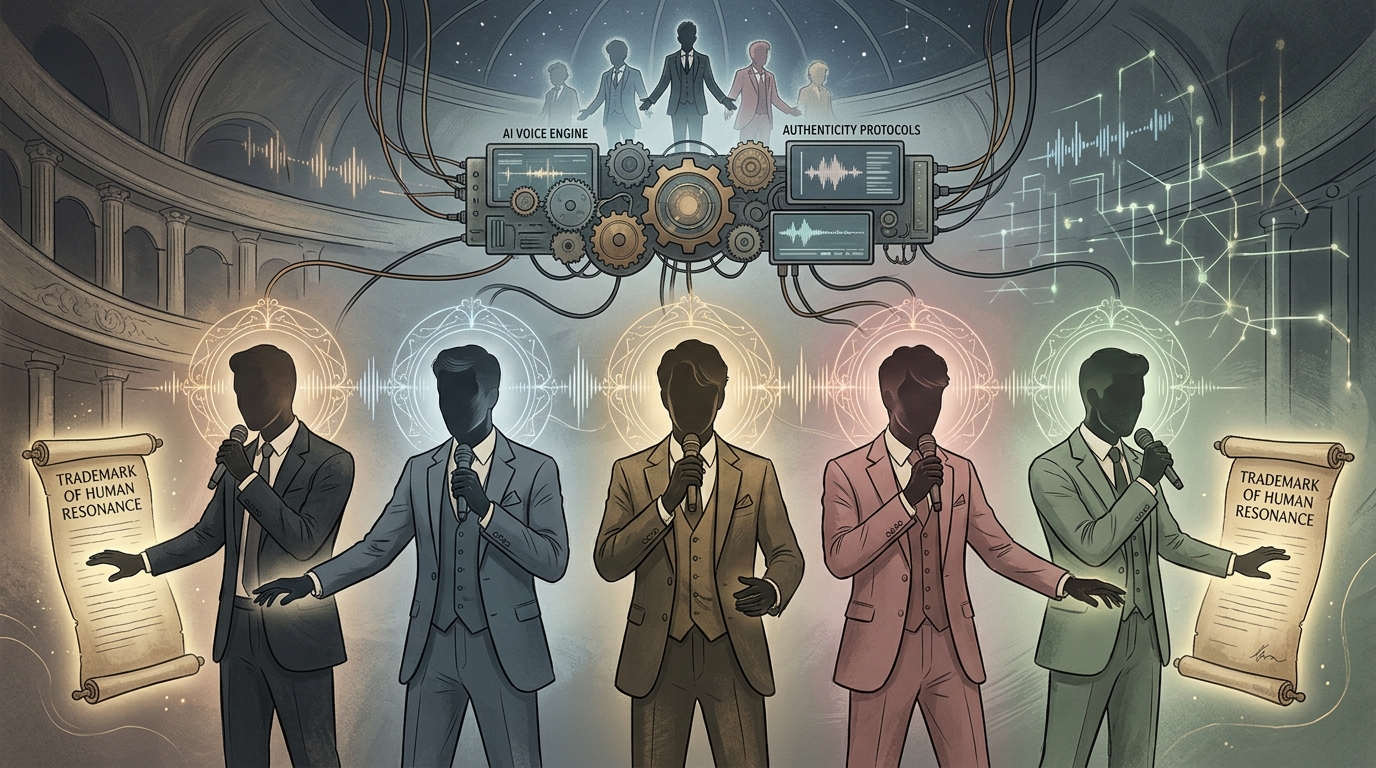
This is where trademark law enters the fray. By seeking to trademark their voices, the Backstreet Boys are arguing that their vocal sound functions as a "source identifier." Much like the Apple logo or the Nike swoosh signals the origin of a product, their specific acoustic signature tells the listener that an audio product originates from them. This approach allows the group to take legal action against anyone using their voice to mislead the public, regardless of whether the content was generated by code or a human imitator.
The AI Deepfake Threat and the Need for Control
Voice cloning technologies like RVC (Retrieval-based Voice Conversion) and So-VITS-SVC models have turned high-fidelity voice cloning into a task that takes mere minutes. The internet is currently flooded with AI-generated "covers" where famous artists appear to sing tracks they never actually touched. While fans often view this as harmless entertainment, for the industry, it represents an existential threat to an artist's brand and livelihood. The Backstreet Boys, having built an empire on their vocal blend, recognize that their voices are their most valuable assets.
"An artist's voice is the soul of their work. If we allow it to become common property for algorithms to exploit, we lose the very essence of authenticity," state legal experts following the case.
This move aligns with recent legislative efforts, such as the ELVIS Act (Ensuring Likeness Voice and Image Security) in Tennessee, which was the first to explicitly protect an artist's voice from AI misappropriation. However, the trademark route offers a federal and international layer of protection that state-level laws might lack.
Implications for the Future of Art and Technology
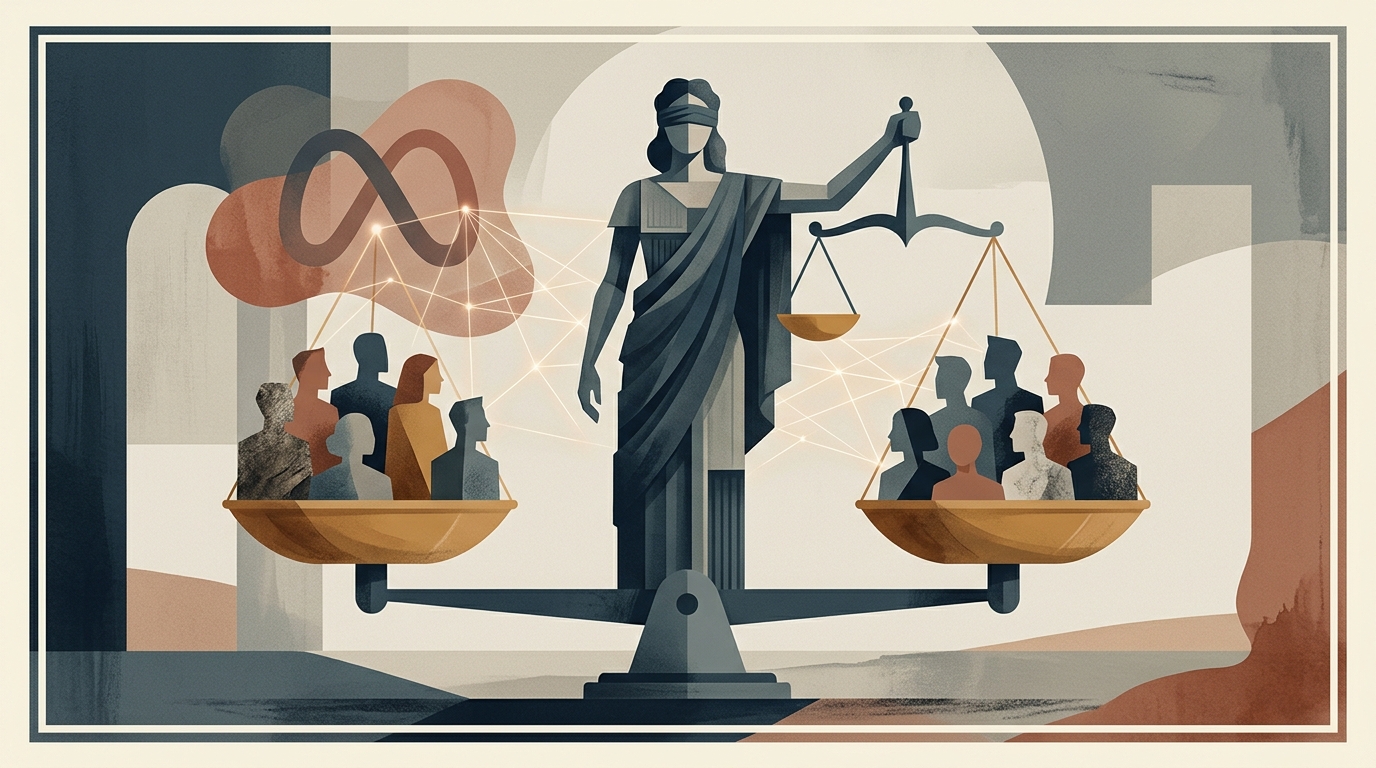
The Backstreet Boys' decision raises critical questions about the balance between protection and expression. If voices become trademarks, where does protection end and censorship begin? What happens to impressionists, parodists, or satirical content? The legal community is concerned that overly broad protections could stifle creativity and the "fair use" of cultural icons. On the other hand, the need for defense against "digital identity theft" has never been more urgent.
- Consumer Protection: Preventing fans from being deceived by "fake" songs or endorsements.
- Economic Control: Ensuring that only the artists themselves profit from the commercial use of their vocal likeness.
- Legal Precedent: Paving the way for thousands of other performers to secure their digital personas.
As we move further into 2026, the tension between technological freedom and individual rights to one's digital likeness will only escalate. The Backstreet Boys may have started as a pop phenomenon, but they are now leading a legal revolution that will define what it means to "own" oneself in a world of digital mirrors.
Conclusion: Digital Authenticity as a Premium Asset
This case highlights a new reality: the human voice is no longer just a biological trait; it is a digital capital. The success or failure of the Backstreet Boys' trademark applications will determine whether our voices remain an intrinsic part of our personality or become a tradable asset requiring constant legal surveillance. In a world where AI can replicate anything, authenticity is becoming the most expensive commodity on the market.