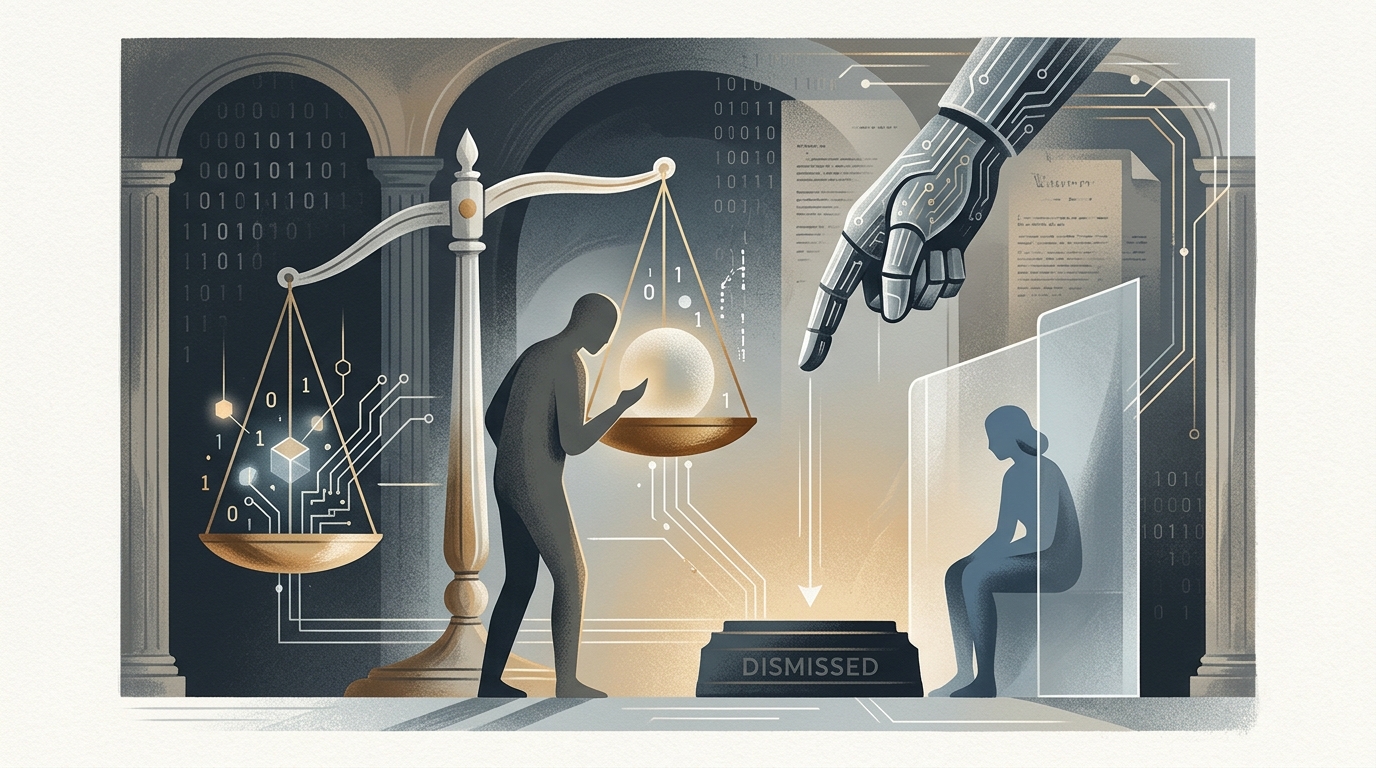
In the dawn of 2026, Artificial Intelligence (AI) is no longer a futuristic promise but the backbone of global economy and social organization. However, as algorithms take over more decisions—from approving bank loans to selecting personnel and administering justice—a critical question emerges: can technology be fair in a world rife with prejudice? The challenge of social justice in the digital age is not merely technical; it is deeply political and ethical.
Algorithmic Bias as a Mirror of Society
The greatest obstacle to achieving social justice through AI is the nature of data itself. Machine learning algorithms are trained on historical data that often contains the biases of the past. If, for example, a hiring system is trained on data from a decade where men dominated leadership positions, the system will tend to downgrade applications from women, considering them less "suitable" based on historical patterns. This "digital reproduction of injustice" is particularly evident in sensitive areas such as policing and healthcare.
In the United States and Europe, cases have been documented where crime prediction software disproportionately targets minorities, not because of actual activity, but due to the over-policing of their neighborhoods in the past. Social justice requires the creation of "anti-biased" algorithms, which will not simply reproduce the status quo but will be designed to protect vulnerable groups. This presupposes a radical change in AI architecture, with the participation of sociologists, ethicists, and lawyers in the development process.
Digital Inequality and the Concentration of Power
Beyond the internal functioning of algorithms, there is the macroeconomic dimension of social justice. AI tends to concentrate wealth and power in the hands of a few tech giants, primarily in the Global North. This creates a new form of "digital colonialism," where countries in the Global South provide the raw material (data and cheap labor for data labeling) while profits and intellectual property remain in Silicon Valley or Shanghai.
- Access to Technology: The lack of infrastructure and digital skills in developing regions widens the gap between rich and poor nations.
- Automation and Labor: Low-skilled jobs are most threatened, disproportionately affecting those who already have limited opportunities.
- Transparency and Accountability: The "black boxes" of algorithms make it impossible for citizens to understand why an application was rejected, undermining the right to fair treatment.
Social justice requires the redistribution of AI benefits. This could be achieved through international treaties ensuring technology transfer and the fair taxation of digital super-profits to fund social welfare and retraining programs.
The New Social Contract of the Digital Age
To address these challenges, we need a new social contract that places human dignity above algorithmic efficiency. The European Union's AI Act is a first step, but it is not enough. Justice is not a static regulation but a continuous process of consultation.
"Technology is not neutral. It reflects the values of those who build it. If we want a just society, we must demand that justice be embedded in the code."
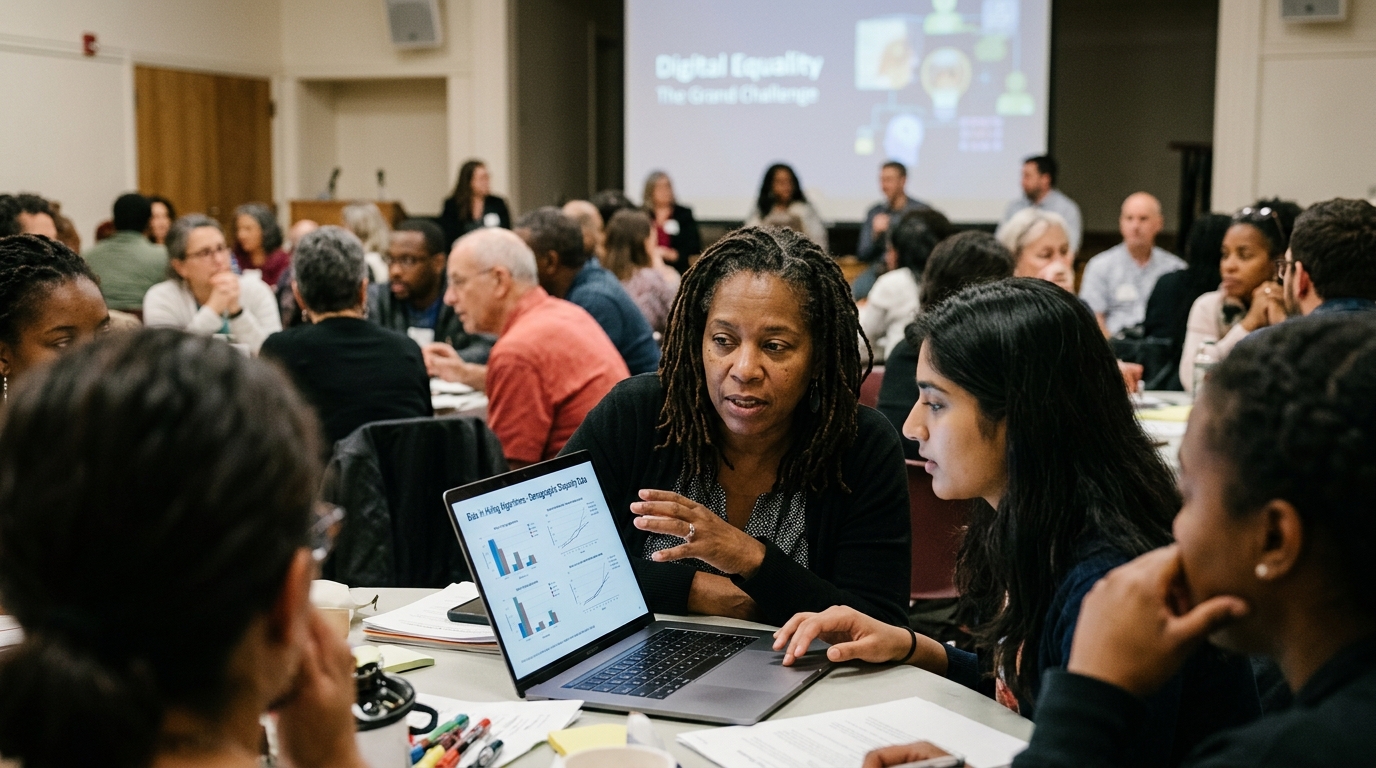
Participatory governance of AI is essential. Citizens must have a say in how their data is used and in defining the limits of automation. Furthermore, education must shift from mere technical training to cultivating critical thinking and ethical judgment. Only then can we ensure that AI will serve as a tool for liberation rather than a mechanism for new exclusions. The battle for social justice in the digital age is the battle for the very soul of our democracy.