In the digital landscape of 2026, the old adage "a picture is worth a thousand words" has taken on a dark, almost ironic meaning. As generative AI technologies have reached levels of photorealism that make distinguishing them from reality nearly impossible for the untrained eye, a new form of deception is sweeping social networks: "artificial sympathy." This refers to the deliberate use of AI-generated content designed to evoke intense emotions of pity, admiration, or solidarity, in order to manipulate users for financial gain or data collection.
The Anatomy of Digital Emotional Fraud
The phenomenon began with relatively simple images—children holding signs, elderly people in dire conditions, or animals being rescued from disasters. However, the evolution has been rapid. Today, we see entire "engagement farming" campaigns where algorithms produce thousands of image variations targeting the emotional triggers of different demographic groups. These images aren't just fake; they are "optimized" to provoke the maximum possible emotion. A teary-eyed child who looks "too perfect" or a heroic soldier with anatomical anomalies (like six fingers, a classic AI error) is now a daily occurrence on platforms like Facebook and TikTok.
The mechanism behind these posts is simple yet effective. Scammers use AI to create content that prompts users to like, share, or type "Amen" in the comments. This mass interaction signals to platform algorithms that the content is valuable, pushing it to an even larger audience. Once a page acquires hundreds of thousands of followers through this method, it is either sold on the black market or begins posting links to phishing sites and fraudulent fundraisers.
The Erosion of Trust and "Compassion Fatigue"
Beyond the immediate risk of financial fraud, "artificial sympathy" inflicts a deeper wound on the social fabric: the erosion of human trust. When users realize that the emotion they felt for an image was the product of an algorithm and a scam, they begin to view even genuine pleas for help with suspicion. This leads to what psychologists call "compassion fatigue." In a world where misery can be manufactured with a simple prompt, real suffering risks going unnoticed.
"Artificial intelligence isn't just stealing our jobs; it's stealing our ability to feel authentically for our fellow humans, turning empathy into just another commodity to be exploited," say digital ethics analysts.
Furthermore, there is a political dimension. Artificial sympathy is already being used in disinformation campaigns to fabricate humanitarian crises that don't exist or to demonize specific social groups. The ease with which one can create an image that "proves" an injustice makes truth secondary to the power of the visual.
Platform Responsibility and the Need for Digital Literacy
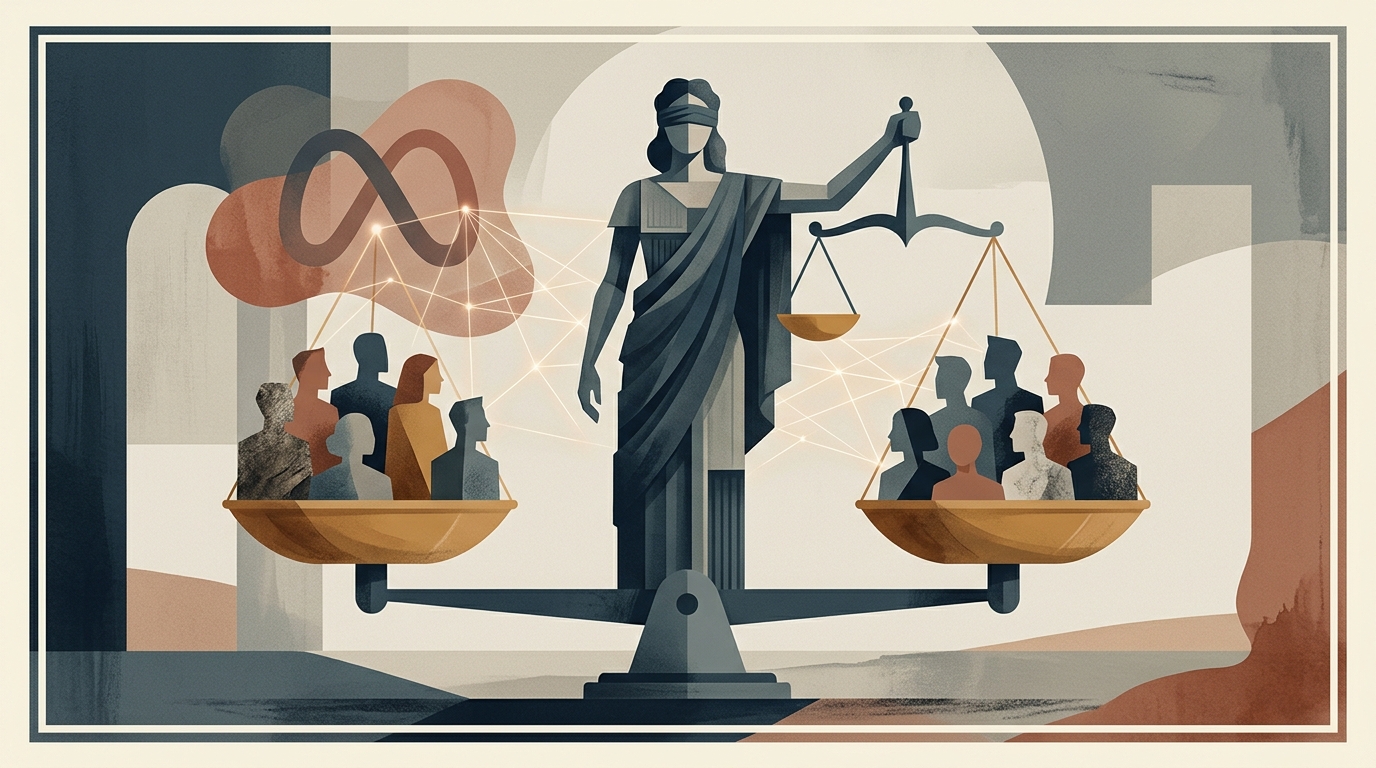
Big Tech companies are under pressure to address the phenomenon, but results have been meager. Although watermarking and AI detection technologies have been introduced, scammers constantly find ways to bypass them. The core problem remains the business model: platforms profit from engagement, regardless of whether it comes from an authentic photo or an AI scam.
The solution cannot be purely technological. It requires a radical overhaul of how we consume digital content. Digital literacy must now include the ability to critically analyze images. Users must be trained to look for inconsistencies—strange textures, lighting errors, unnatural limbs—but above all, to question the source and purpose of the information. The era where seeing was believing has passed. From now on, empathy must be accompanied by skepticism.