

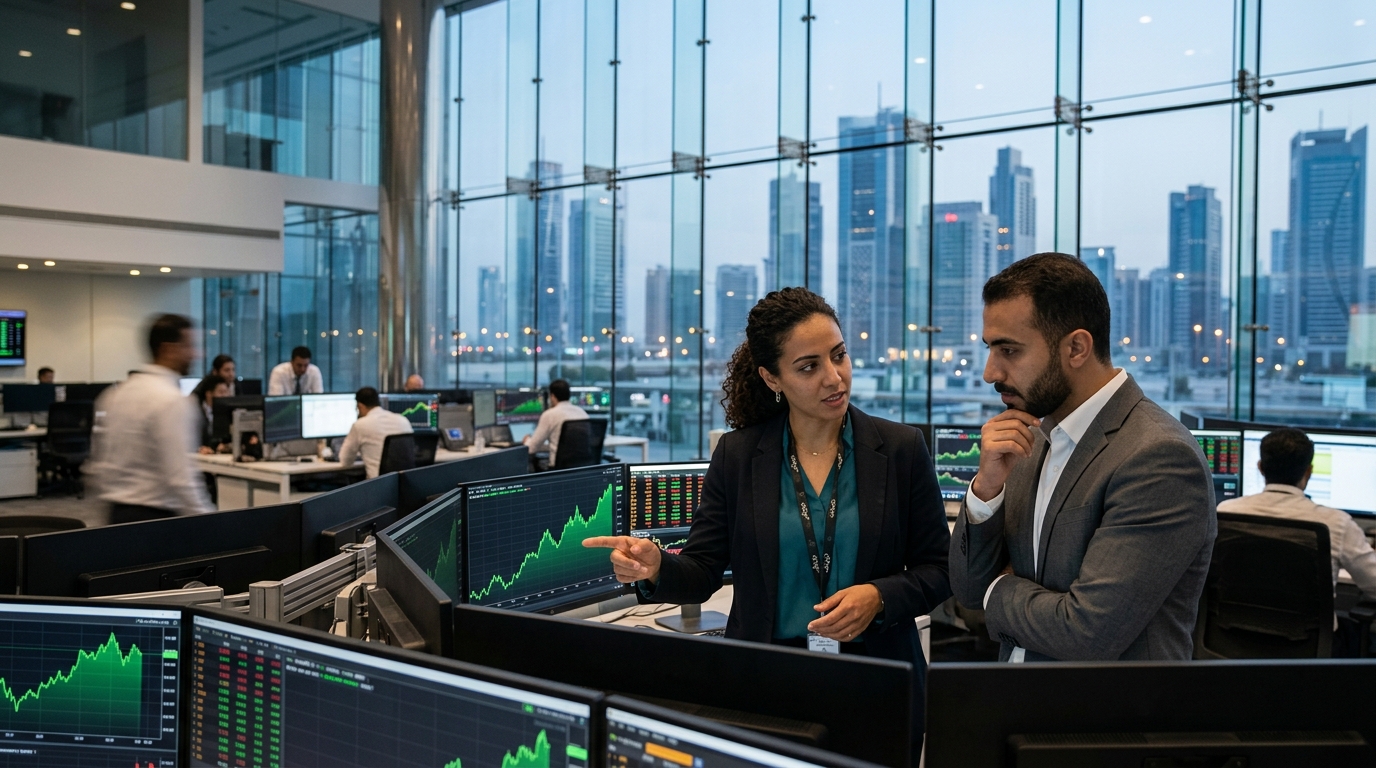
Monday, June 29, 2026, opened with a palpable sense of relief across international financial markets. Following a period of intense volatility and geopolitical uncertainty, US stock-index futures recorded significant gains before the opening bell. This shift is primarily attributed to two factors: the re-emergence of 'dip buyers' in the technology sector and a notable easing of hostilities between the United States and Iran.
Technology at the Heart of the Recovery
The tech sector, which had faced severe pressure in recent weeks due to valuation concerns and interest rate anxieties, appears to be regaining its footing. Investors, recognizing that recent sell-offs had pushed many high-quality stocks into attractive entry zones, rushed to re-establish positions. Artificial Intelligence remains the primary growth engine, with semiconductor companies and cloud infrastructure providers leading the charge.
The 'buy the dip' strategy is not new, but in the current context, it suggests a deeper confidence in the structural resilience of the digital economy. Despite persistent inflationary pressures in certain niches, the profitability of Big Tech continues to surprise analysts on the upside, reinforcing the argument that technology is no longer just a sector, but the very backbone of global productivity.
Geopolitical Thaw as a Catalyst
Perhaps the most critical driver for the improvement in market sentiment is the news that diplomatic channels between Washington and Tehran have reopened, significantly reducing the risk of a broader conflict in the Middle East. Energy markets responded immediately, with oil prices stabilizing—a move that removes the specter of a new energy shock that could have reignited inflation.
"Diplomacy seems to be gaining ground over military rhetoric, and that is the best possible scenario for markets right now," noted a senior Wall Street analyst.
This de-escalation allows investors to refocus on economic fundamentals. The reduction in the geopolitical risk premium is leading to a capital inflow toward riskier assets like equities, as the immediate need for 'safe havens' such as gold or government bonds slightly recedes.
Macroeconomic Outlook and Lingering Challenges
Despite the current optimism, the road toward the end of 2026 remains fraught with challenges. The Federal Reserve is closely monitoring employment and consumption data. While the rise in tech stocks is welcomed, if accompanied by excessive euphoria, it might force the central bank to maintain higher interest rates for longer to prevent economic overheating.
- Labor market resilience remains the key to the Fed's upcoming decisions.
- Second-quarter corporate earnings reports will serve as the next major litmus test.
- Supply chain stability depends on maintaining peace in critical maritime corridors.
In conclusion, today's rise in futures represents a vote of confidence in the system's ability to absorb shocks. However, the balance remains delicate. While technology offers the promise of future growth, geopolitical stability provides the necessary foundation for that growth to flourish. Investors should remain vigilant, as sentiment can shift rapidly in a world that remains deeply interconnected and often unpredictable.





