The debate over how artificial intelligence will reshape the workforce is splitting the global business elite. While some predict an armageddon for white-collar roles, a growing cohort of executives, including Zoom CEO Eric Yuan, views the arrival of a shorter workweek as the inevitable byproduct of automation.
The Vision of a Condensed Workweek
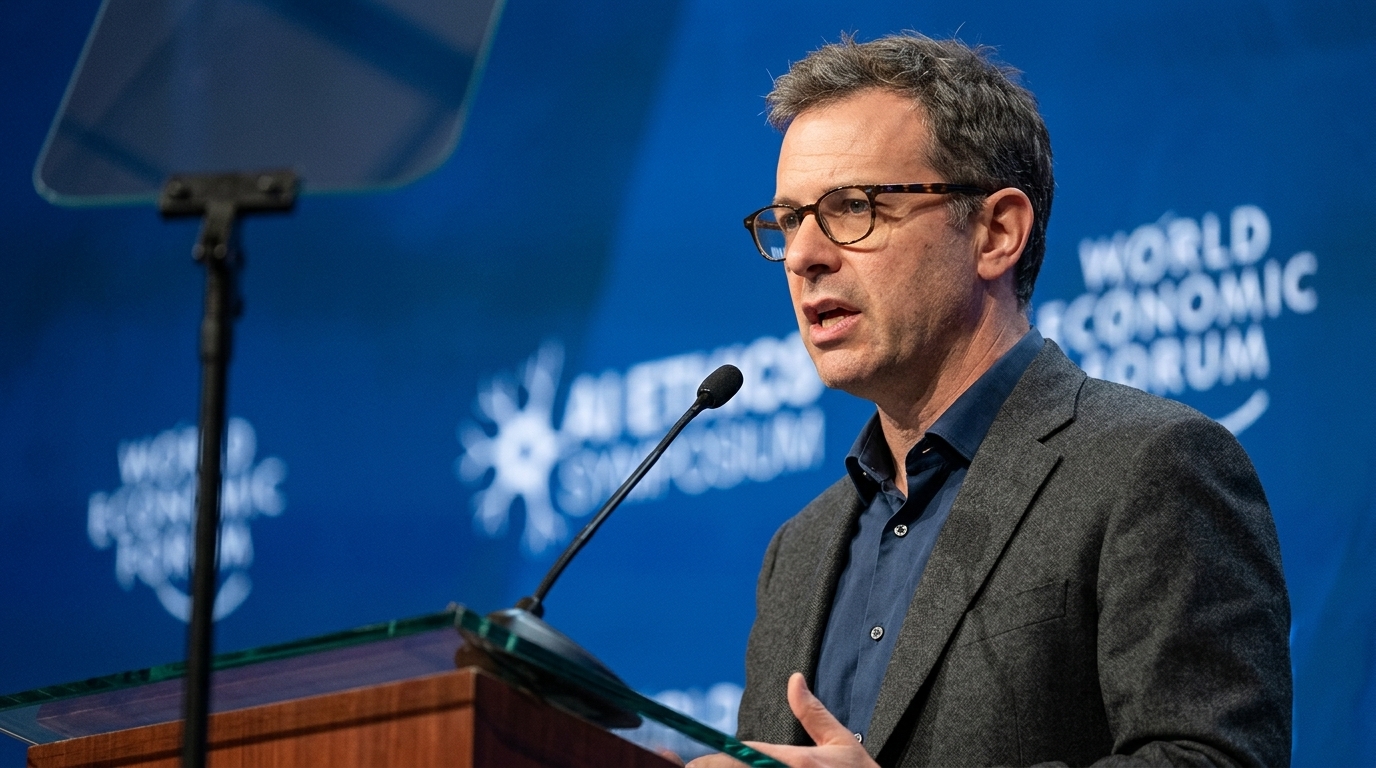
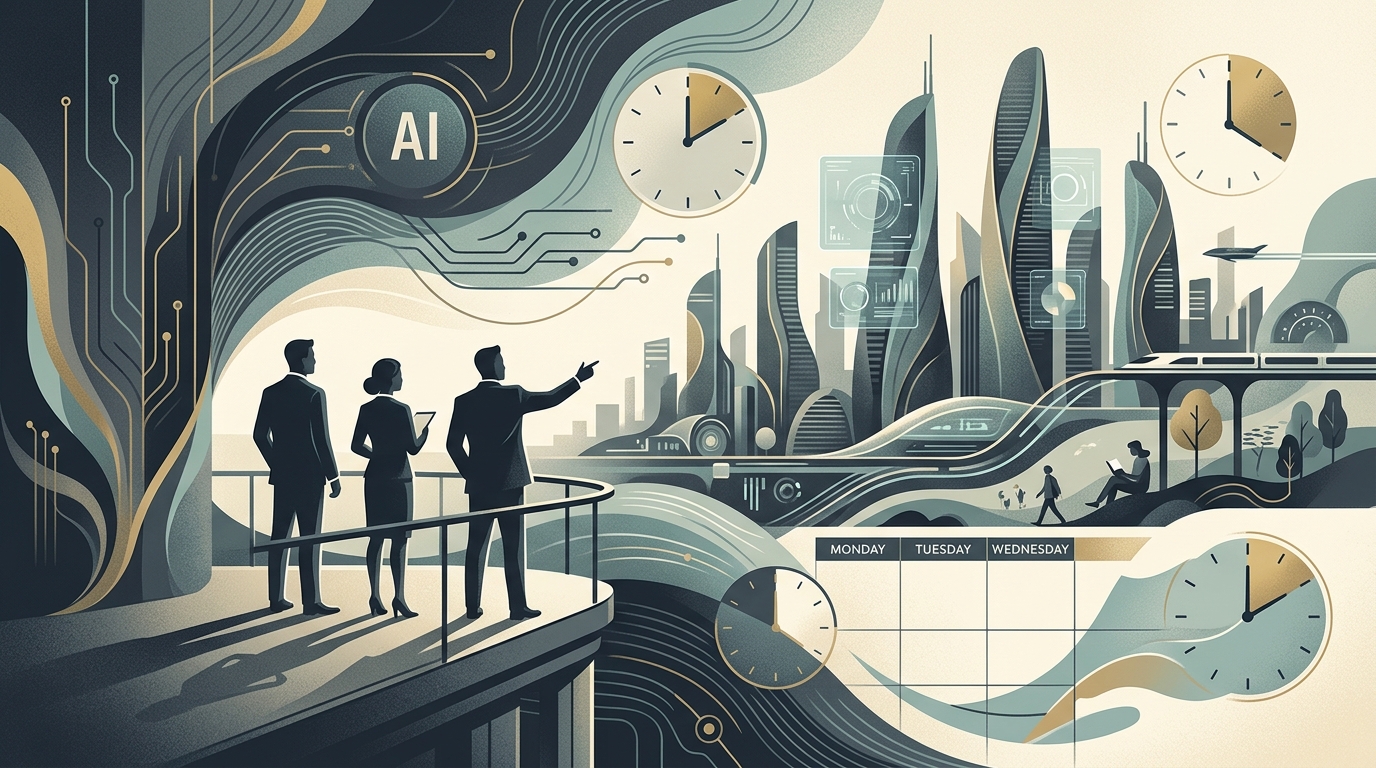
In a 2025 interview with The New York Times, Yuan questioned the necessity of the traditional schedule: “If AI can make all of our lives better, why do we need to work for five days a week?” He envisions a corporate landscape where three- or four-day weeks become the standard, effectively freeing up human time. This sentiment echoes Microsoft cofounder Bill Gates, who suggested that the purpose of life extends beyond labor, predicting AI will handle "most things" within a decade.
Similarly, JPMorgan Chase CEO Jamie Dimon has forecasted that the next generation might work only 3.5 days a week, citing technology as the primary driver for improved work-life balance and longevity.
Productivity vs. Employment
Empirical evidence from trials suggests the model has merit. The U.S. firm Exos reported that cutting one day from the workweek halved employee burnout while boosting productivity by 24%. However, Nvidia CEO Jensen Huang offers a caveat: while AI might enable a four-day week, workers might find themselves "busier in the future than now" as industries adopt the technology at a rapid pace.
The Reality of Job Displacement
The promise of leisure comes with a significant trade-off. Yuan acknowledged that certain roles, particularly entry-level engineering positions, face erasure as AI takes over coding tasks. He characterized this shift as a historical parallel to the Industrial Revolution—a paradigm shift where old opportunities vanish to make way for new roles, such as managing "digital agents."
Other leaders, including Ford’s Jim Farley and Klarna’s Sebastian Siemiatkowski, agree on the inevitability of job losses. Huang, however, maintains a more optimistic outlook, suggesting that overall employment could rise as productivity creates an abundance of new ideas, provided workers adapt to using advanced tools.