

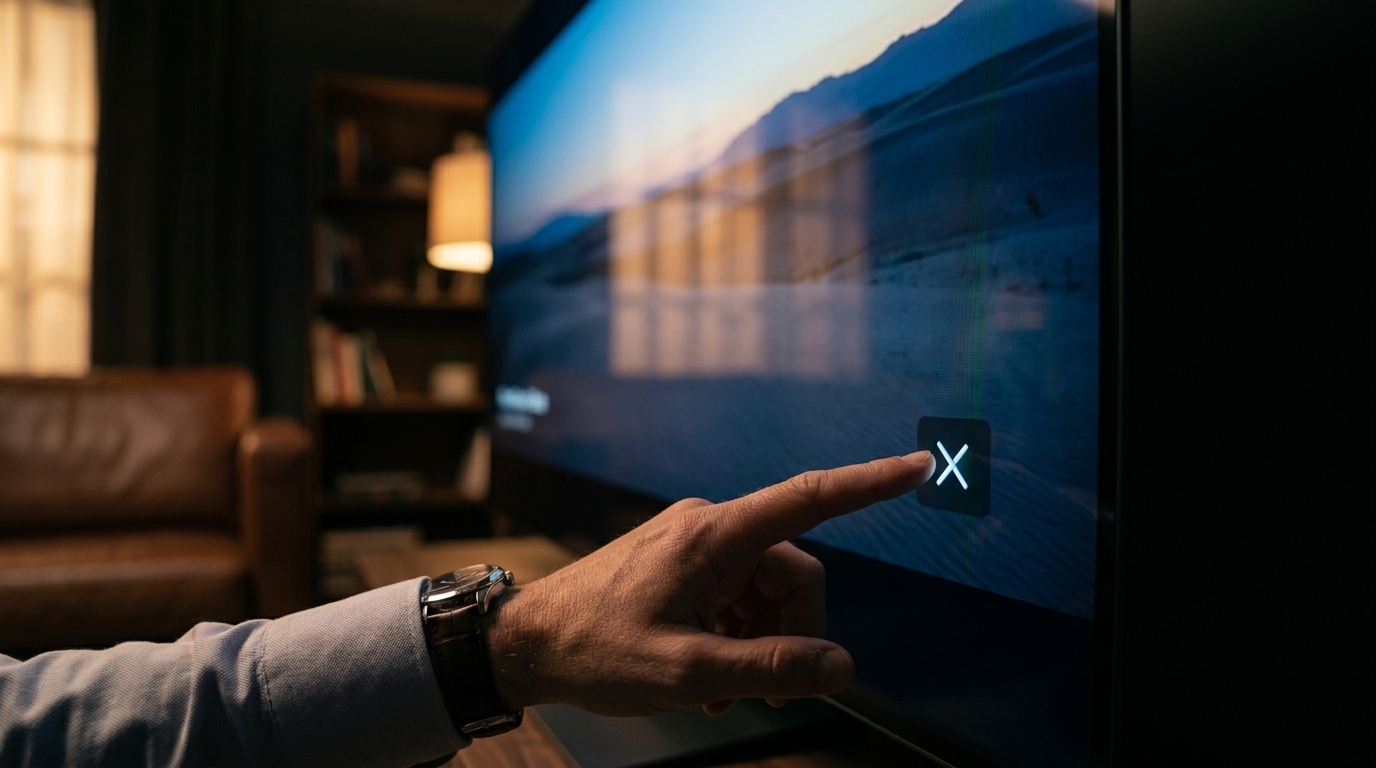
The era when a successful advertising campaign relied solely on the repetition of a 30-second television spot or a striking billboard on a busy highway is gone forever. Today, in June 2026, we stand at the threshold of a structural shift that concerns not just the media of promotion, but the very essence of communication between brands and consumers. Raja Rajamannar, the man who transformed Mastercard into a global icon of experiential marketing, has been warning for some time: message volume is no longer the key. Quality, utility, and sensory connection are the new currencies of the marketplace.
The Attention Crisis and Consumer Fatigue
We live in a world where the average person is exposed to thousands of advertising messages every day. This "noise" has led to what psychologists call "banner blindness" and a generalized aversion to traditional advertising. Consumers, armed with ad-blockers and ad-free subscription services, have built walls. The overabundance of content has devalued attention, making it the rarest and most expensive commodity in the digital economy.
Rajamannar argues that the strategy of "interruption marketing"—interrupting someone's activity to sell them something—is now toxic. Brands that persist with this tactic not only waste resources but risk inciting public backlash. The solution is not more ads, but integrating the brand into the user's daily life in a way that adds value instead of subtracting time.
Artificial Intelligence as the New Gatekeeper
The proliferation of Artificial Intelligence (AI) is radically changing the game. Until recently, advertising targeted the human consumer. In the near future, advertising will have to persuade our "digital assistants." When AI takes over household shopping, flight bookings, or choosing the best insurance plan based on our data, traditional marketing misses its mark. How do you advertise a detergent to an algorithm that decides based on price, sustainability, and past reviews?
"Artificial Intelligence is not just a productivity tool; it is the new mediator of consumption. If your brand is not 'visible' to AI reasoning models, then for the market, it does not exist."
This shift forces companies to invest in "Algorithmic Branding." Optimization is no longer just about search engines (SEO) but about ensuring the brand remains relevant and credible in the eyes of Large Language Models and automated purchasing systems.
Sensory Marketing: Beyond Sight
One of Rajamannar’s most innovative proposals, which he successfully implemented, is expanding the brand into all the senses. In a digital world dominated by sight, the other senses remain untapped. Mastercard created its own "sonic identity," a signature sound heard during every transaction, reinforcing the feeling of security and familiarity. Furthermore, it experimented with taste (creating custom macarons reflecting brand values) and smell.
- Sound: Creating an acoustic signature that is instantly recognizable.
- Experience: Turning a purchase into a memorable moment (Priceless experiences).
- Ethics: Transparency in data usage as a point of differentiation.
This holistic approach targets the subconscious and builds a deeper emotional connection that traditional advertising fails to achieve. The brand ceases to be a logo and becomes a multi-sensory experience.
The Future: From Marketing to Utility
The conclusion is clear: the marketing of the future will look less like selling and more like a service. The brands that survive will be those that manage to be useful. This means investing in technologies that solve consumer problems, protecting privacy, and authentically committing to social issues. The era of "overabundance" is ending, giving way to the era of "relevance." As Rajamannar points out, marketing must return to its roots: understanding human needs and offering real value, using technology as a bridge rather than a barrier.





