The global industrial complex is facing a demographic time bomb known among economists as the "Silver Tsunami." As millions of skilled tradespeople, engineers, and technicians from the Baby Boomer generation approach retirement, a pressing question hangs over factory floors from Pittsburgh to the Ruhr Valley: Who will keep the machines running? The answer increasingly appears to lie in the convergence of Artificial Intelligence (AI) and advanced robotics.
The Skilled Labor Crisis and the Knowledge Gap
This is not merely a quantitative shortage of labor; it is a qualitative hemorrhage of institutional knowledge. In sectors like manufacturing, construction, and energy, expertise is not always found in manuals. It is "tacit knowledge"—the way a welder senses the heat of the arc or how a mechanic identifies a vibration before it leads to a catastrophic failure. The departure of this generation threatens to leave companies with high-tech equipment but without the human intuition required to master it.
Artificial Intelligence, however, is now providing tools to "digitize" this experience. Through sensors and machine learning, companies are capturing the workflow patterns of their most veteran staff. This data feeds AI models that can guide younger, less experienced workers, acting as a digital mentor available 24/7. This process, often called "knowledge capture," ensures that when a master technician retires, their expertise remains part of the company's operating system.
Robotics: From Replacement to Collaboration
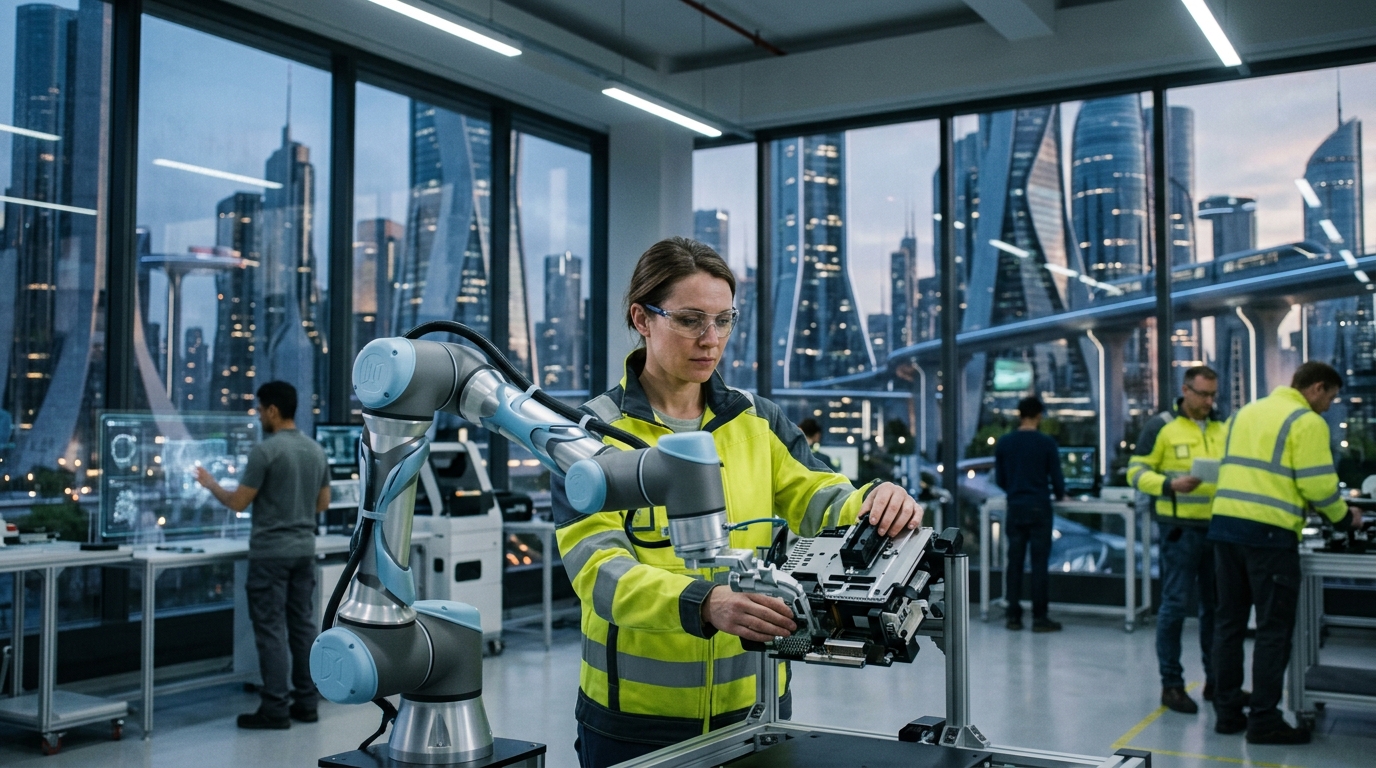
The traditional image of a robot replacing a human is being superseded by the rise of "cobots" (collaborative robots). These machines are designed to work alongside humans, taking over the most strenuous, repetitive, or hazardous tasks. In industries such as logistics and heavy manufacturing, robots are not "stealing" jobs; they are enabling an aging workforce to remain productive for longer by reducing physical strain and preventing injuries.
Furthermore, the integration of Generative AI into robotics is making machines more versatile. Rather than being programmed for a single, rigid motion, they can now understand natural language commands and adapt to changing environments. This is crucial for small and medium-sized enterprises (SMEs) that lack the budget for massive automation lines but need flexible solutions to fill vacant roles that no longer attract human applicants.
The Challenges of Transition and the Social Stakes
Despite the promise, the transition is fraught with obstacles. The cost of adopting such technologies remains high for many firms, and there is the lingering issue of worker acceptance. Skepticism toward automation is deeply ingrained, and corporate leadership must demonstrate that technology is an ally, not a replacement.
- Reskilling: The greatest challenge is the speed at which the current workforce can be trained to operate and maintain these new digital tools.
- Preserving Culture: Technology can replicate movements and logic, but it cannot easily mirror the work ethic and craftsmanship culture built over decades.
- Economic Viability: Investments in AI and robotics must show a clear ROI, particularly in a high-interest-rate environment where capital expenditure is scrutinized.
In conclusion, AI and robotics are no longer a luxury; they are a survival necessity for Western industry. If we successfully marry digital precision with human judgment, the retirement of the old guard will not be a disaster, but the starting point for a smarter, more resilient, and more sustainable era of production.