

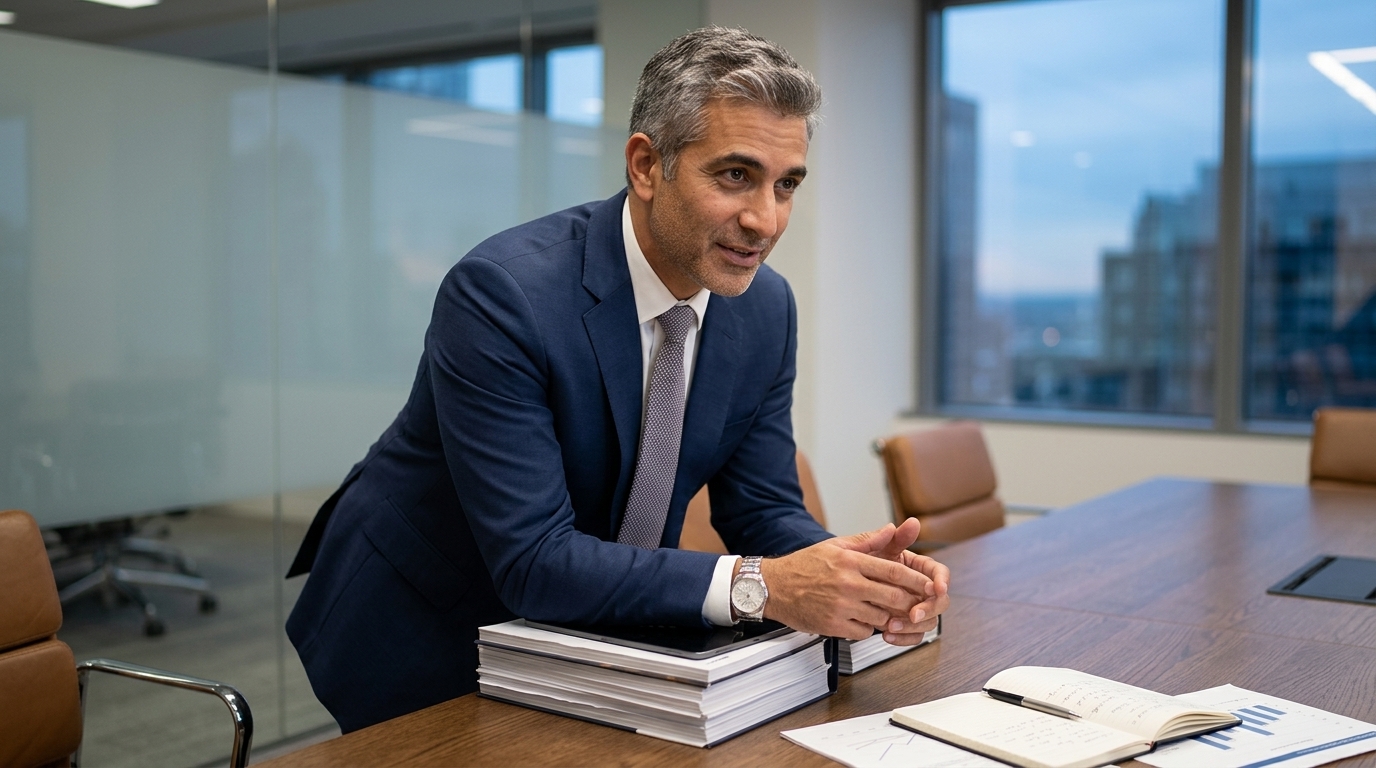
The 2026 Annual General Meeting of Alpha Bank shareholders was not merely a routine corporate procedure; it was the culmination of a decade-long restructuring effort. Group CEO Vassilis Psaltis, in a speech exuding confidence and strategic depth, outlined the bank's transition from an era of cleanup to an era of outward growth and high profitability. The announcement of a €519 million distribution through dividends and share buybacks serves as the strongest signal to international markets that the Greek banking system has definitively moved past the structural weaknesses of its past.
Returning to Returns: The €519 Million Message
For the first time in 16 years, Alpha Bank is returning a significant portion of its profitability to its shareholders. This move is not just symbolic but deeply structural. Mr. Psaltis emphasized that the bank now possesses one of the strongest capital adequacy ratios in Europe, allowing it to fund the growth of the Greek economy while simultaneously rewarding those who believed in its vision during the difficult years. The share buyback strategy indicates management's conviction that the bank's current market valuation does not fully reflect its intrinsic value and future prospects.
The 7 Pillars of Transformation
Vassilis Psaltis analyzed the seven strategic moves redefining Alpha Bank's identity:
- Strategic Alliance with UniCredit: A landmark partnership that transforms Alpha Bank into a gateway for European capital and offers its clients access to a global network.
- Digital Transformation and AI: Integrating Artificial Intelligence into internal processes and customer service, aiming for a drastic reduction in operational costs.
- Focus on Wealth Management: Leveraging expertise to attract high-net-worth capital, a sector where the bank has traditionally been a leader.
- Financing the Green Transition: A commitment to ESG criteria and channeling funds into renewable energy projects.
- Strengthening Retail Banking: Creating new, flexible products for small and medium-sized enterprises (SMEs) that form the backbone of the economy.
- Risk Management: Further reducing Non-Performing Exposures (NPEs) to levels below the European average.
- Human Capital Development: Investing in the skills required by the new digital age while maintaining a customer-centric culture.
The UniCredit Alliance as a Catalyst
Particular emphasis was placed on the relationship with the Italian giant UniCredit. This is not a simple equity stake but a deep operational synergy. As Mr. Psaltis explained, Alpha Bank now gains the "clout" of a major European bank while retaining its flexibility and local market knowledge. This "hybrid" banking model seems to be the answer to the challenges of the fragmented European banking landscape. Joint actions in Romania and the exchange of expertise in investment products create economies of scale that are difficult for other domestic players to match.
"Alpha Bank is no longer a bank in crisis, but an organization leading the economic reconstruction of Southeastern Europe," Mr. Psaltis stated pointedly.
Challenges and Outlook for 2027
Despite the optimism, the road is not without obstacles. The high ECB interest rates, which boosted interest income in previous years, are expected to normalize, forcing banks to seek revenue from fees and new services. Vassilis Psaltis appears to have prepared the bank for this scenario by emphasizing value-added services. The coming days find Alpha Bank with excess liquidity and a clear strategic direction, ready to play the role of financier for major infrastructure projects and the country's digital transformation.





