

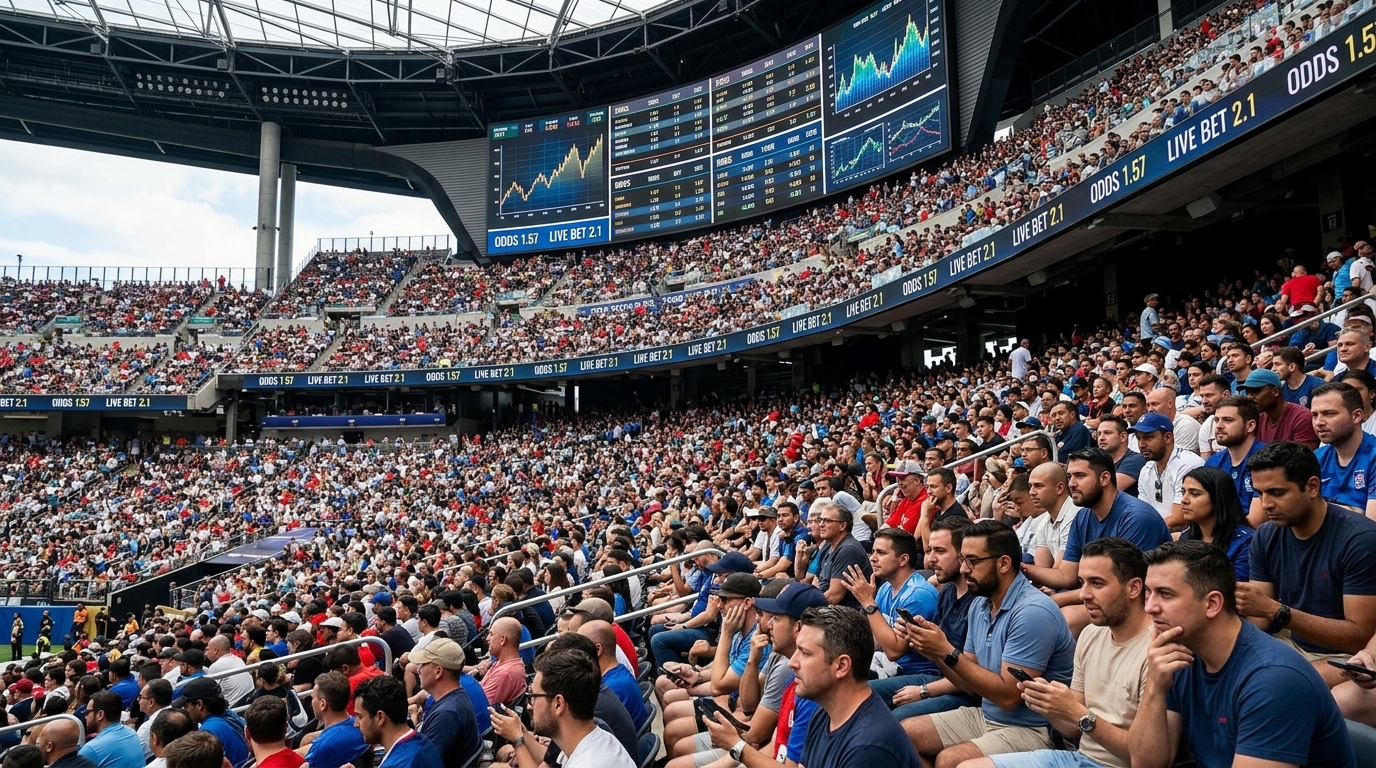
The rapid rise of prediction markets during the World Cup is reshaping the landscape of sports wagering in the U.S. According to H2 Gambling Capital, activity on these exchanges accounted for approximately 27% of all legal U.S. sports-betting volume during the tournament, a significant jump from just 9% at the start of the year.
Kalshi’s Record-Breaking Performance
Kalshi, the industry leader, repeatedly shattered its own trading records during the World Cup. Data from Apptopia revealed that Kalshi’s mobile app saw more daily active users during the tournament than either DraftKings or FanDuel, the two largest traditional online sports-gambling apps in the United States.
This surge is partially driven by a unique regulatory environment. Overseen by the Commodity Futures Trading Commission (CFTC), prediction markets are permitted to accept users as young as 18, compared to the 21-year-old limit for traditional sportsbooks. Furthermore, these exchanges can serve customers in states where conventional sports gambling remains illegal.
Market Impact and Evolution
The competitive shift is reflected in the stock market. Shares of DraftKings Inc. and Flutter Entertainment PLC (FanDuel’s parent) have slumped by more than 25% this year. Meanwhile, prediction markets are evolving their product offerings, introducing "combos"—a version of traditional parlays that allow for high-risk, multi-outcome wagers.
The landscape is becoming increasingly crowded. A new platform backed by Robinhood Markets Inc. and Susquehanna International Group recently launched, capturing significant volume. While Polymarket remains a key player, it has struggled with legal hurdles and internal issues, allowing Kalshi to take a commanding lead with more than twice the trading volume during the World Cup.





