

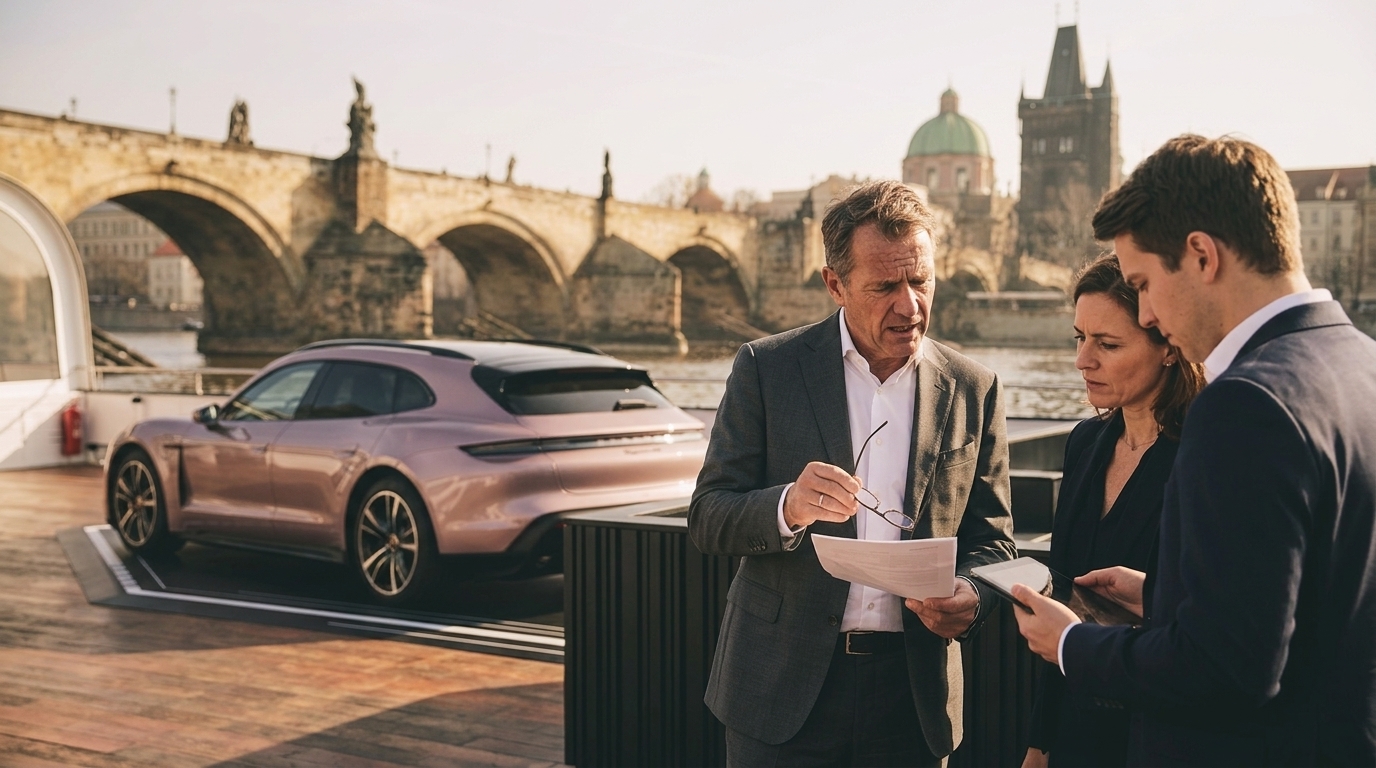
Porsche, the crown jewel of the Volkswagen Group and a global beacon of German engineering prowess, is navigating one of the most challenging chapters in its modern history. The first-half figures for 2026 (reflecting the ongoing structural shifts since 2024) reveal a sobering reality: global deliveries have retreated by 16%, totaling 155,945 vehicles. This decline is far from a mere statistical blip; it is a symptom of a profound tectonic shift in the luxury automotive landscape, where heritage is increasingly clashing with aggressive digital disruption.
The China Crisis: A Strategic Impasse
The most significant wound for the Stuttgart-based automaker is located in China, a market that for years served as Porsche’s primary growth engine. Deliveries in the region plummeted by 33%, a figure that has sent shockwaves through the industry. The cause is a volatile cocktail of China’s broader economic cooling and a fierce domestic competitive landscape. Local champions like BYD’s Yangwang and tech giants like Xiaomi are now offering ultra-luxury electric vehicles (EVs) equipped with software and autonomous features that German manufacturers are still struggling to perfect.
Chinese consumers, who once viewed the Porsche crest as the ultimate symbol of social mobility, are shifting their gaze. The new elite in Shanghai and Shenzhen demands a "smartphone on wheels"—a seamless integration of life and vehicle. Porsche’s traditional focus on mechanical feedback and driving dynamics, while legendary, is finding less resonance with a generation that prioritizes software-defined luxury over the roar of an engine or the feel of a steering rack.
The Rocky Road to Electrification
Internal product cycles have exacerbated these external pressures. The Taycan, Porsche's flagship electric sedan that was once hailed as the definitive "Tesla killer," saw sales crater by 51%. While some of this is due to customers waiting for the refreshed model, it also points to a broader saturation in the high-end EV segment and intense competition from newer, more technologically advanced rivals.
Furthermore, the company is in the midst of a complex transition for its best-seller, the Macan. The shift from internal combustion to a purely electric platform has been fraught with regulatory hurdles. In Europe, new cybersecurity laws forced Porsche to discontinue the gasoline-powered Macan earlier than planned, creating a supply vacuum. This transition gap has been costly, depriving the brand of high-volume sales during a period where every delivery counts toward maintaining the stock price's premium.
Strategy: Value Over Volume
Despite the harrowing numbers, Porsche’s leadership, spearheaded by CEO Oliver Blume, remains steadfast in its "Value over Volume" mantra. The company is doubling down on exclusivity, refusing to engage in price wars that would dilute its brand equity. While this protects the long-term prestige of the marque, it places immense pressure on cash flow at a time when R&D spending for future platforms is at an all-time high.
The central question hanging over Zuffenhausen is whether Porsche can maintain its soul in a digitized world. The 911 remains the bedrock of the brand, with sales actually increasing by 8%, proving that the purist market is still alive and well. However, a global powerhouse cannot survive on a single icon alone. The success of the upcoming electric Macan and the brand’s ability to re-engage the Chinese consumer will determine if this slump is a temporary recalibration or the beginning of a structural decline for the world’s most profitable carmaker.





