

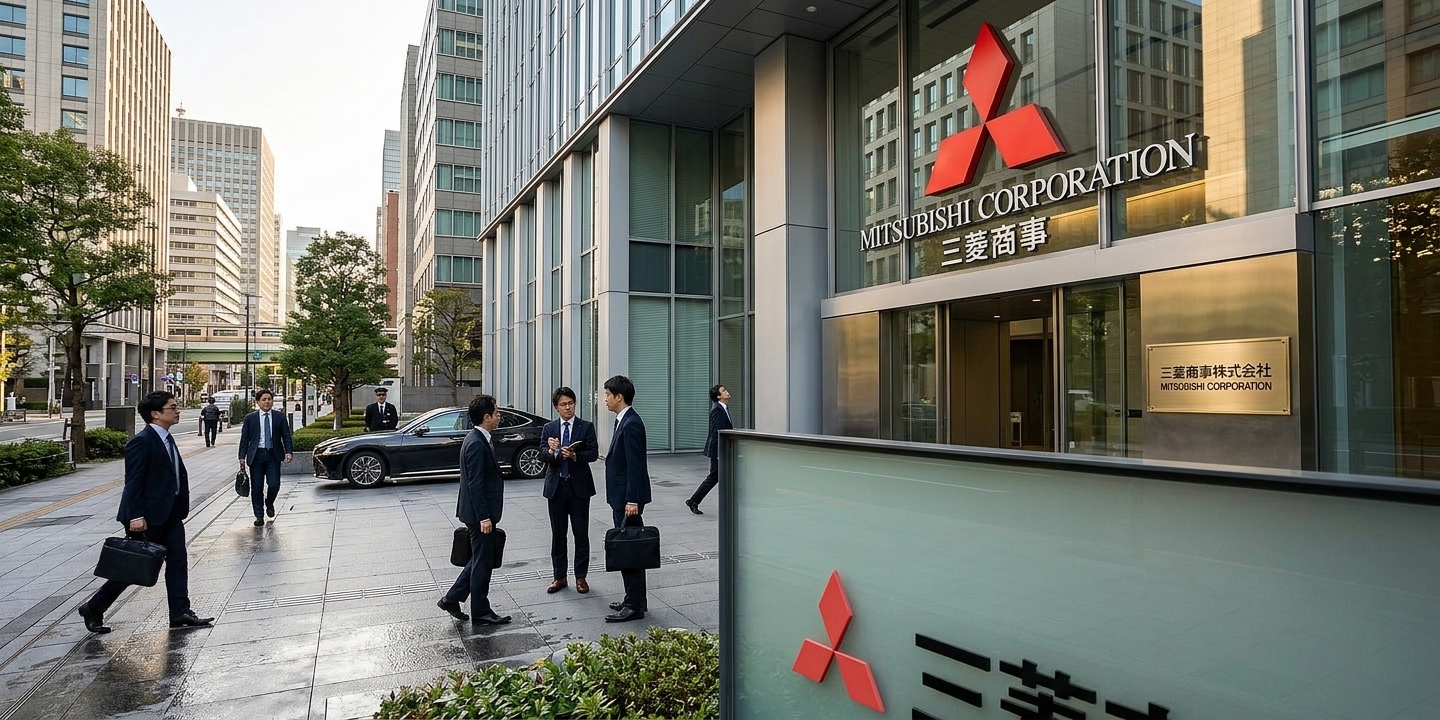
Mitsubishi officially became one of the largest natural gas producers in the U.S. on Wednesday, following a $7.5 billion deal to acquire the assets of Dallas-based Aethon Energy. This marks Mitsubishi’s largest acquisition to date, positioning the Japanese giant to capitalize on surging LNG exports and the escalating power demands of the AI data center boom.
Strategic Positioning in the Haynesville Shale
The acquisition focuses on the Haynesville Shale region in northern Louisiana and eastern Texas, a high-yield natural gas area strategically located near U.S. Gulf Coast export hubs. To manage these assets, Mitsubishi established a subsidiary named Adamas Energy—derived from the Greek word for "invincible." Unlike previous strategies that relied on purchasing gas, this deal grants Mitsubishi direct control over the production and processing infrastructure, shielding it from volatile market pricing.
Gordon Huddleston, managing director of Aethon and CEO of the new subsidiary, emphasized that gas-fired power demand for AI is poised to exceed market expectations. "They recognize what a critical component the natural gas is," Huddleston told Fortune, noting that the U.S. is increasingly viewed as a "safe place" for energy investment.
Geopolitical Context and Industry Trends
The deal arrives as the U.S. cements its status as the world's leading LNG exporter, surpassing Australia and Qatar. The latter is currently facing significant facility repairs stemming from the ongoing Iran war. While the Mitsubishi deal was initiated prior to the conflict, Huddleston noted that the war reinforces the case for supply diversity and resiliency.
Mitsubishi joins a wave of Japanese energy firms, including Tokyo Gas, Osaka Gas, JERA, and Mitsui, which have all established significant positions in the Haynesville region. This renewed interest contrasts with the post-2011 era, when Japanese firms made high-priced shale investments following the Fukushima disaster. Today’s investments are described as more "methodical" and "thoughtful," with Mitsubishi reportedly operating on a 10-to-20-year time horizon.





