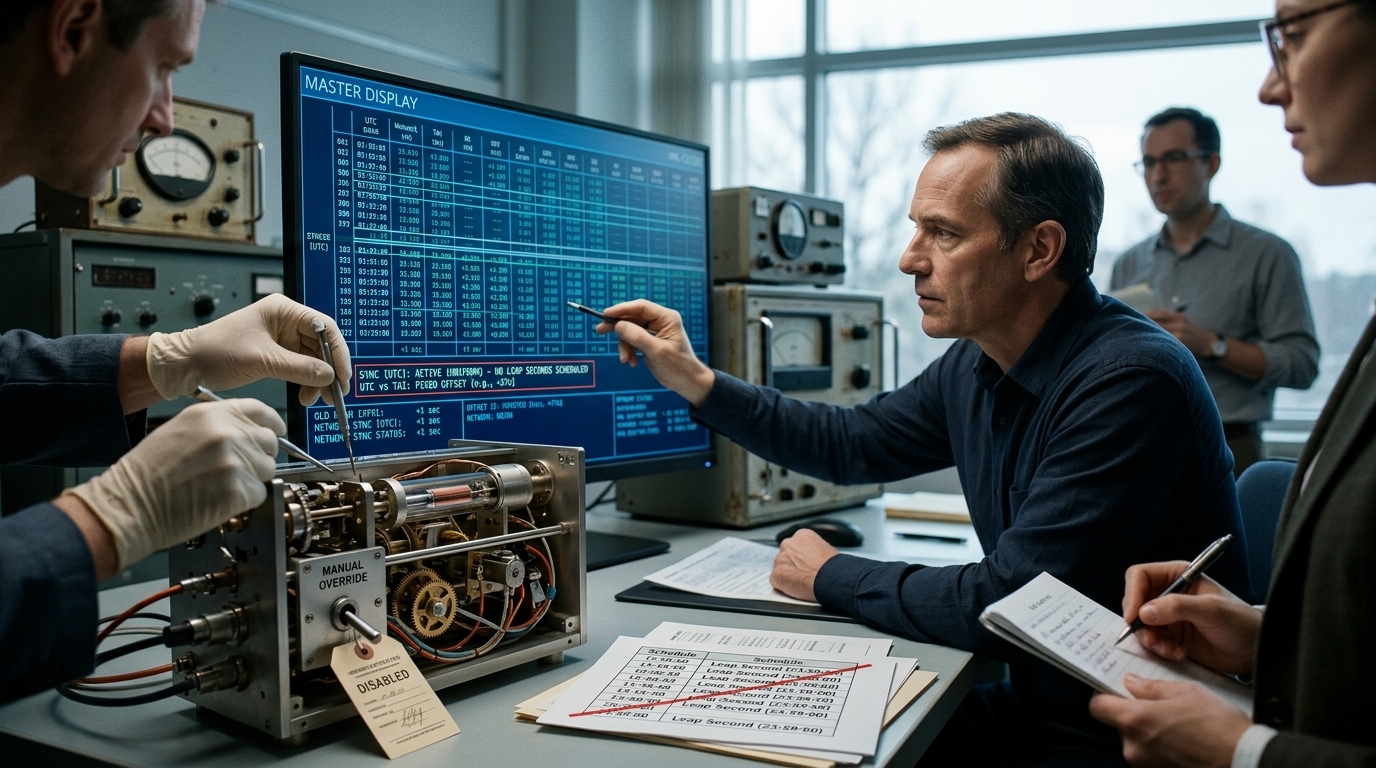
China’s export growth accelerated sharply in June, jumping 27% from a year earlier, driven by the global artificial intelligence boom. Data released by the customs agency on Tuesday showed that the increase significantly outperformed economist expectations, following a 19.4% rise in May.
The AI Hardware Engine
Wang Jun, vice minister of China’s General Administration of Customs, highlighted that trade in electronic components, computer parts, and computing hardware surged nearly 57% to 5.1 trillion yuan ($760 billion) in the first half of the year. Beyond components, China is expanding its reach into AI-enabled consumer goods, including AI glasses, translation devices, and powered exoskeletons.
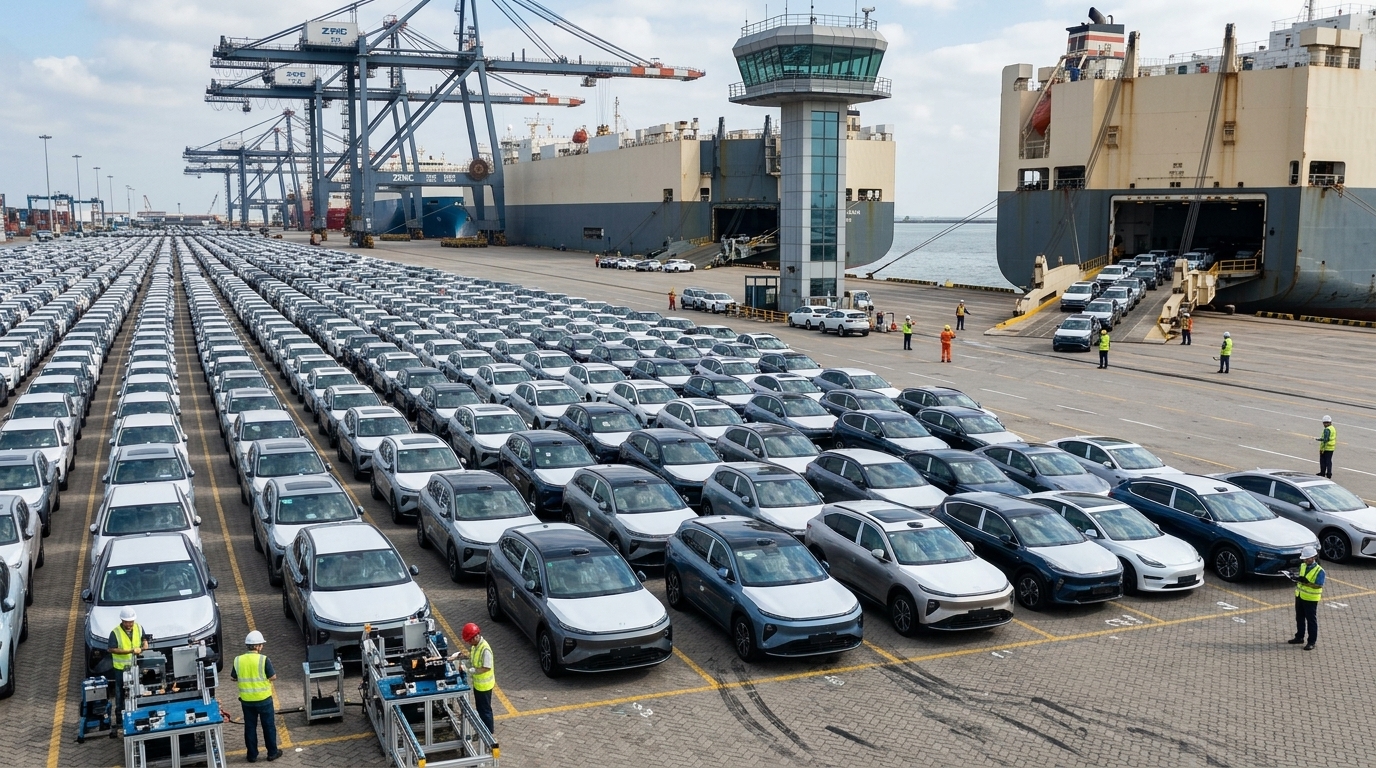
Julian Evans-Pritchard, head of China Economics at Capital Economics, noted that while the surge reflects rising semiconductor prices linked to the AI boom, broader foreign demand for Chinese manufactured goods, particularly electric vehicles (EVs), remains exceptionally robust.
Geopolitical Shifts and Trade Barriers
While exports are thriving, imports also surged by 36% in June. Analysts attribute this expansion partly to the Iran war, which has driven up import costs. Consequently, China recorded a widened trade surplus of $125.6 billion for the month.
To circumvent rising trade barriers and tariffs in the U.S. and Europe, Chinese firms are increasingly relocating factories to regions like Europe and pivoting exports toward Southeast Asia, Latin America, and Africa. Exports to the U.S. climbed 14% in June, a recovery following previous declines after President Donald Trump returned to office last year and implemented stricter tariffs.
Economic Outlook and Domestic Challenges
The strength in export manufacturing serves as a critical buffer against prolonged weakness in China's domestic spending and a downturn in the property sector. However, officials warn of "serious risks" in the second half of the year as regulatory barriers intensify.
The International Monetary Fund recently raised China’s annual growth forecast to 4.6%, aligning with the government's target of 4.5% to 5%. Despite government subsidies for trade-ins on autos and appliances, domestic consumer confidence remains under pressure from a slowing economy.