

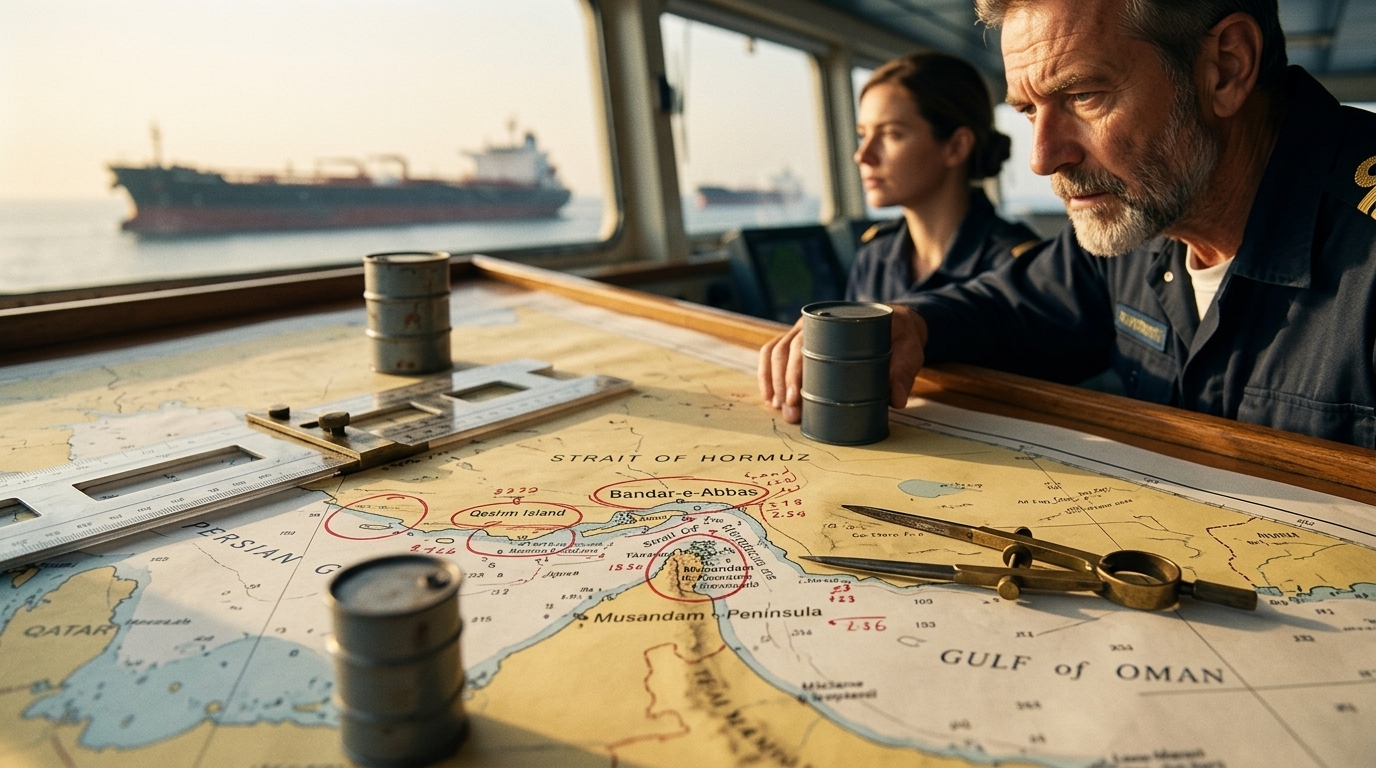
At the heart of the global energy map, where the waters of the Persian Gulf meet the Arabian Sea, the Strait of Hormuz remains the undisputed regulator of the global economy. The latest data for July 2026 shows a significant recovery: more than 10 million barrels of crude oil traverse this 21-mile-wide passage daily. This development is not merely a statistical figure; it is the result of a multi-layered diplomatic chess game between Washington and Tehran, at a time when global energy demand refuses to succumb to predictions of a rapid green transition.
The Strategic Significance of the Global Economy's 'Neck'
The Strait of Hormuz is not just a geographical bottleneck; it is the primary artery feeding the industrial machinery of Asia and Europe. Approximately one-fifth of the world's liquid fuel consumption passes through here. The return to levels of 10 million barrels per day suggests that, despite the geopolitical tensions that plagued the region in previous years, Gulf producers—led by Saudi Arabia, the United Arab Emirates, and Kuwait—have intensified their exports to fill gaps created by constraints in other parts of the world.
Navigation in the Strait requires delicate handling, not only by the captains of VLCCs (Very Large Crude Carriers) but also by diplomats. Iran, which controls the northern coast of the Strait, has repeatedly used the threat of closure as a lever of pressure. However, the current flow suggests a tacit 'truce' or at least a shared understanding that disrupting the flow would be economically suicidal for all parties involved, including Tehran, which is seeking a way out of sanctions.
Diplomacy and Oil: The US-Iran Chessboard
The increase in flows coincides with a new phase of negotiations between the United States and Iran. Analysts believe that Washington has adopted a more pragmatic approach, allowing certain quantities of Iranian oil to reach markets—primarily China—in exchange for a reduction in provocations against commercial shipping. This 'shadow diplomacy' has led to a decrease in war risk premiums for tankers, encouraging charterers to increase their routes.
"Stability in Hormuz is not bought with weapons, but with mutual dependence on black gold revenues," says a senior official from the International Energy Agency.
However, the balance remains fragile. Any accident or misunderstanding in the narrow waters could skyrocket Brent crude prices above $100 a barrel within hours. The presence of the US Fifth Fleet in the area acts as a deterrent, but China's growing influence as the main buyer of the region's oil is changing the dynamics, as Beijing now pushes for its own security guarantees on sea routes.
Economic Implications and the Transition Challenge
For the global economy, the flow of 10 million barrels is a breath of relief. At a time when inflation still poses a threat to the Eurozone and the US, energy supply adequacy is the key to stability. Commodity markets are closely monitoring not only the volume but also the destination of these cargoes. The shift toward Asia remains dominant, with India and China absorbing the lion's share, reshaping traditional trade routes that once headed primarily toward the West.
Furthermore, this dependence on Hormuz highlights the slow progress of energy diversification. Despite billions in renewable energy investments, the global economy remains tethered to fossil fuels passing through geopolitically unstable regions. Gulf nations, recognizing this paradox, are using the profits from these 10 million barrels to fund their own transition to a 'post-oil' economy, creating a paradoxical cycle where oil funds its own replacement.
Conclusions for the Future
The 10-million-barrel milestone in the Strait of Hormuz in 2026 serves as a reminder that geography remains the destiny of energy. As negotiations continue, the world watches with bated breath. Stability in this small stretch of sea is the difference between a global economic recovery and a new period of stagnation. The challenge for the coming years will be maintaining this flow while simultaneously building the alternatives that will eventually make Hormuz less critical—though that future still seems far off.





