In an era where the rapid proliferation of Artificial Intelligence (AI) threatens to deplete the planet's energy reserves, General Motors (GM) has unveiled a bold plan that places electric vehicles (EVs) at the heart of grid stability. During a recent event in San Francisco, the American automaker announced the activation of Vehicle-to-Grid (V2G) technology across its fleet, a move aimed at balancing the electrical grid as it faces unprecedented pressure from Silicon Valley’s power-hungry data centers.
The Collision of Two Technological Revolutions
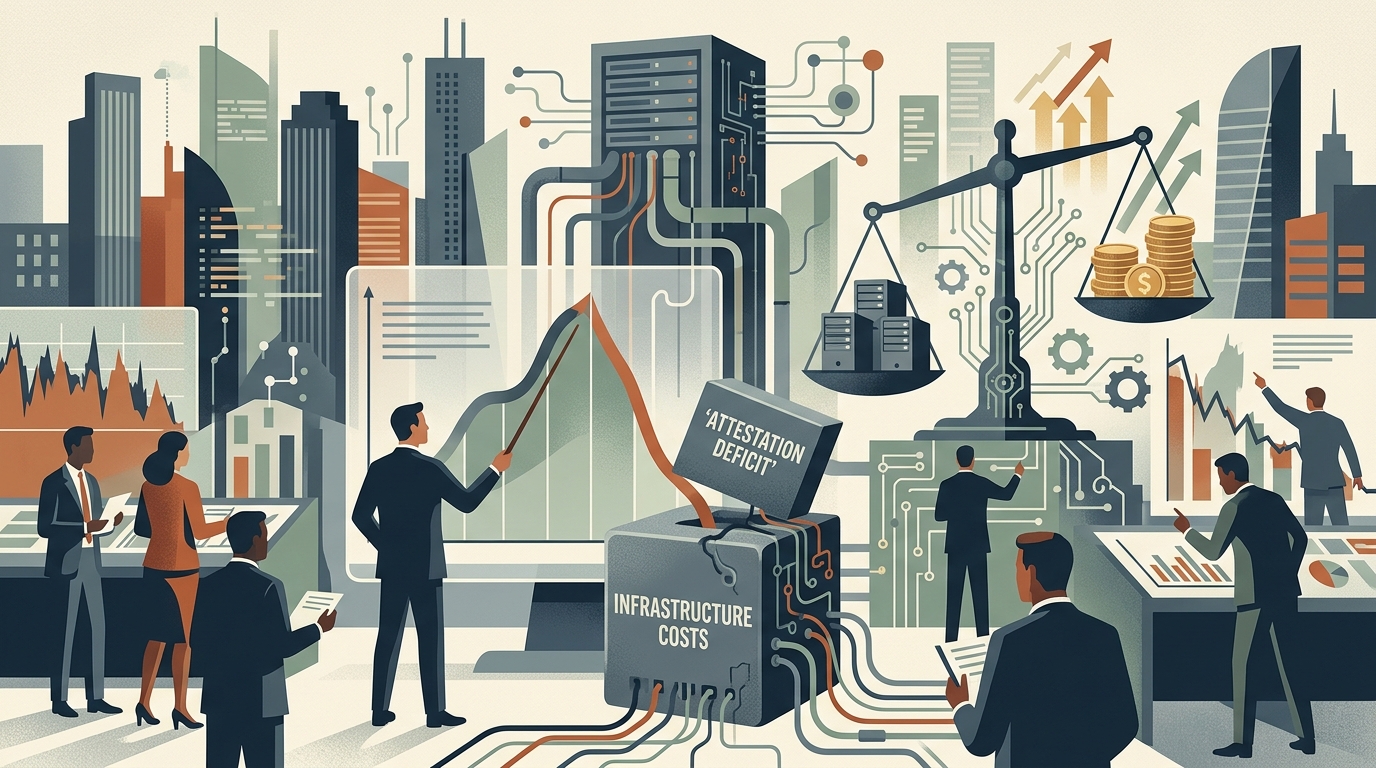
The rise of Generative AI has created a collateral crisis: a surge in electricity demand. The computational power required to train and run models like GPT-5 or Gemini demands vast amounts of energy, pushing utility providers to their limits. GM is stepping in with a solution that transforms the perceived "threat" of EVs—their charging needs—into a grid asset.
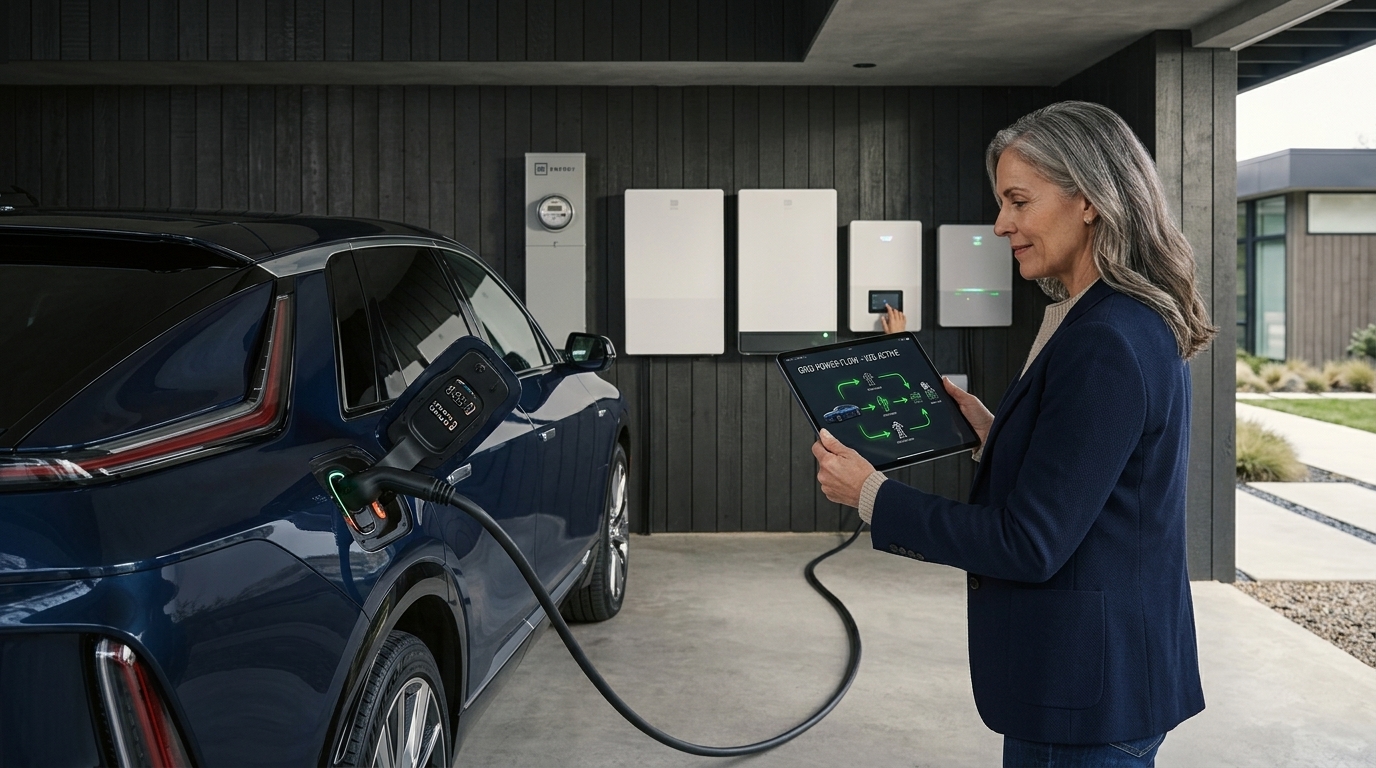
V2G technology allows vehicles not just to draw power from the grid, but to feed it back during peak hours. Given that most private vehicles remain parked 90% of the time, their batteries represent a massive, untapped storage resource. GM Energy, the company's new energy arm, aims to unify these vehicles into a "Virtual Power Plant" (VPP), capable of responding to grid fluctuations in real-time.
The Sodium-Ion Bet and Lithium Independence
One of the most significant revelations from GM involves its investment in sodium-ion battery technology. While lithium remains the dominant chemistry for current batteries, sodium offers a more sustainable and cost-effective alternative. Sodium is abundant (found in common salt), does not require the mining of rare minerals in geopolitically unstable regions, and, crucially, is less prone to thermal runaway (fire).
For GM, adopting sodium-ion is not just about reducing vehicle costs; it is about the longevity of energy storage systems. If EVs are to function as grid-stabilizing batteries, their chemistry must withstand frequent charge-discharge cycles without significant degradation. This strategy demonstrates that the automaker no longer views itself merely as a machine manufacturer, but as a manager of a decentralized energy ecosystem.
Economic Implications and the Future of Ownership
The economic dimension of this shift is profound. For the consumer, participating in V2G programs could translate into revenue. Imagine your car charging at night on a low-cost tariff and selling power back to the grid in the afternoon when demand (and prices) peak due to AI server operations. This energy "arbitrage" model could drastically lower the total cost of EV ownership.
However, significant hurdles remain. Grid infrastructure in most regions is aging and was not designed for bidirectional energy flow. Furthermore, GM must convince vehicle owners that using their battery for the grid will not compromise their range when they need it most. The company promises sophisticated software that will ensure the vehicle maintains the owner's desired charge level for daily travel while optimizing grid contributions.
Conclusion: The Great Energy Convergence
GM’s move is an admission that technological progress cannot happen in isolation. The AI revolution requires energy, and the EV revolution offers storage. If GM succeeds in bridging these two, it will have pioneered a new business model that transcends selling metal and plastic, entering the critical sector of energy services. In a world hungry for both data and electricity, the car in your garage may soon become your most valuable energy asset.