

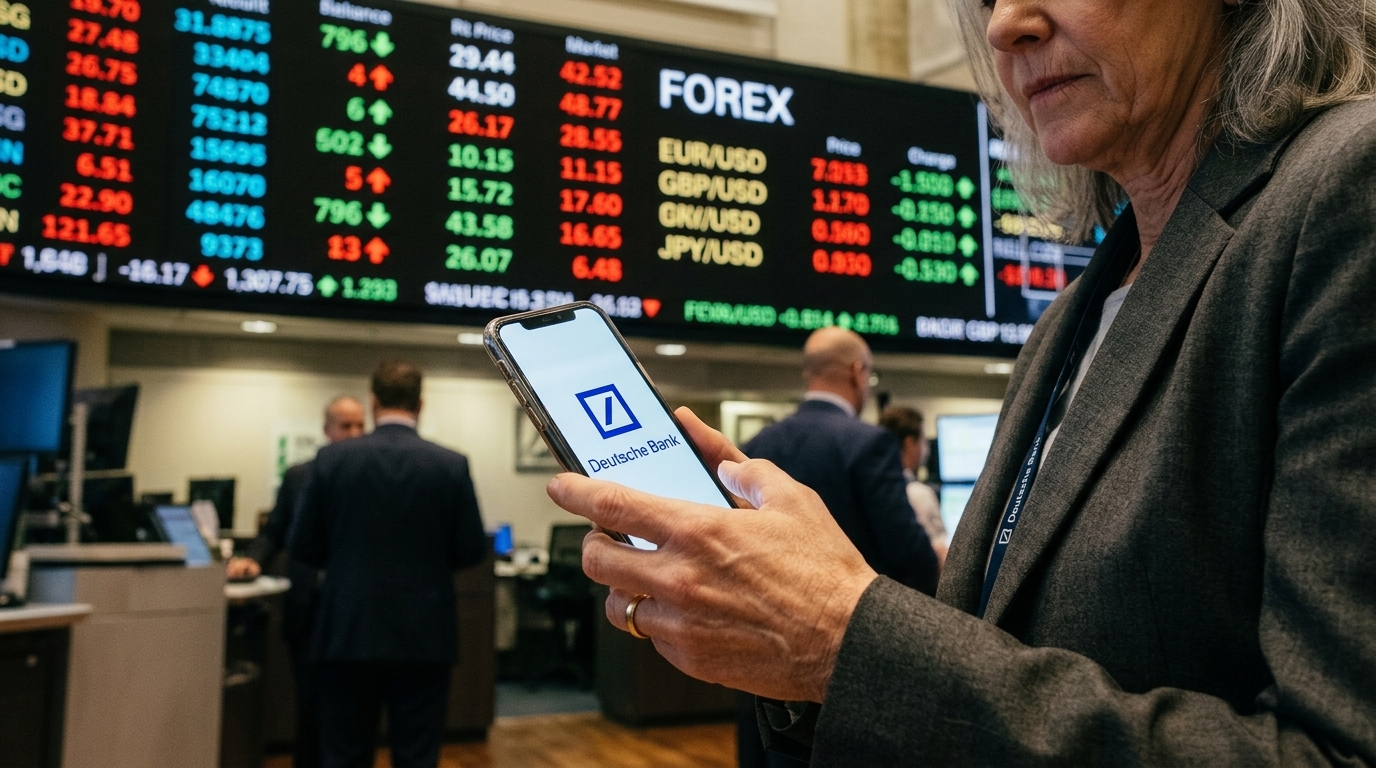
For more than eight decades, the US dollar has been the undisputed hegemon of the global financial system. Since the Bretton Woods agreement, the dollar's strength has rested not only on US economic might but also on the sheer lack of viable alternatives. However, a new, comprehensive report from Deutsche Bank, led by strategist George Saravelos, warns that the landscape is shifting dramatically. The bank identifies three fundamental changes that are reshaping the dollar's future, potentially leading to a more fragmented and multipolar world.
1. Geopolitics and the 'Weaponization' of Finance
The first and perhaps most immediate shift concerns the geopolitical chessboard. The use of the dollar as a tool of foreign policy—what many call the 'weaponization of finance'—has reached unprecedented levels. The sanctions imposed on Russia following the invasion of Ukraine, particularly the freezing of its foreign exchange reserves, served as a powerful wake-up call for many central banks globally. Deutsche Bank highlights that countries outside the Western sphere of influence, led by China and the BRICS+ nations, are now actively seeking ways to reduce their reliance on the US financial system.
This 'de-dollarization' trend is not just about storing wealth; it's about trade settlement. We are seeing an increasing number of bilateral agreements where transactions are settled in local currencies, bypassing the dollar. While the dollar remains the dominant currency in global reserves, its share is gradually declining as gold and other currencies gain ground. Geopolitical insecurity is transforming the dollar from a 'safe haven' into a 'potential risk' for those not fully aligned with Washington's interests.
2. The Technological Revolution and Digital Currencies
The second major change is technological. The rise of Central Bank Digital Currencies (CBDCs) and the evolution of payment systems threaten the very infrastructure upon which the dollar's dominance is built. The SWIFT system, largely controlled by the West, is no longer the only game in town. Deutsche Bank specifically mentions the mBridge project, a collaboration between several central banks (including China and the UAE), which enables direct cross-border payments without the mediation of US banks.
Blockchain technology and stablecoins offer new avenues for value transfer that are faster, cheaper, and, most importantly, less dependent on US regulatory oversight. Although a digital dollar remains under debate in the US, other nations are moving at a faster pace, establishing new standards that could marginalize the traditional US banking system. Technology, therefore, is not just a tool for efficiency but a catalyst for breaking the monetary monopoly that has persisted for decades.
3. Fiscal Uncertainty and the US Debt Burden
The third pillar of Deutsche Bank's analysis focuses on domestic US issues. Growing public debt and persistent fiscal deficits are raising questions about the long-term stability of the dollar. Political polarization in Washington, which often leads to 'debt ceiling' dramas, undermines foreign investor confidence. The bank warns that the US's ability to fund its deficits relies on the world's willingness to absorb dollars.
If this willingness wanes—whether due to geopolitics or inflation concerns—borrowing costs for the US will skyrocket. Deutsche Bank notes that the US economy is at a critical juncture where fiscal discipline seems absent from both major political parties. In a world where the dollar is not the only option, the US will lose its ability to issue debt on the favorable terms it has enjoyed for decades. The 'exorbitant privilege' is at risk of becoming an 'exorbitant burden'.
Conclusion: Towards a Multipolar Financial Order
Deutsche Bank's report does not predict an immediate collapse of the dollar. The greenback remains the most liquid and widely used currency in the world. However, the analysis makes it clear that the days of its absolute hegemony are numbered. The transition to a multipolar monetary system, where the euro, the yuan, and digital assets play a larger role, now seems inevitable. Investors and businesses must prepare for a future where monetary stability is no longer taken for granted and where economic competition is waged with new digital and geopolitical weapons.





