

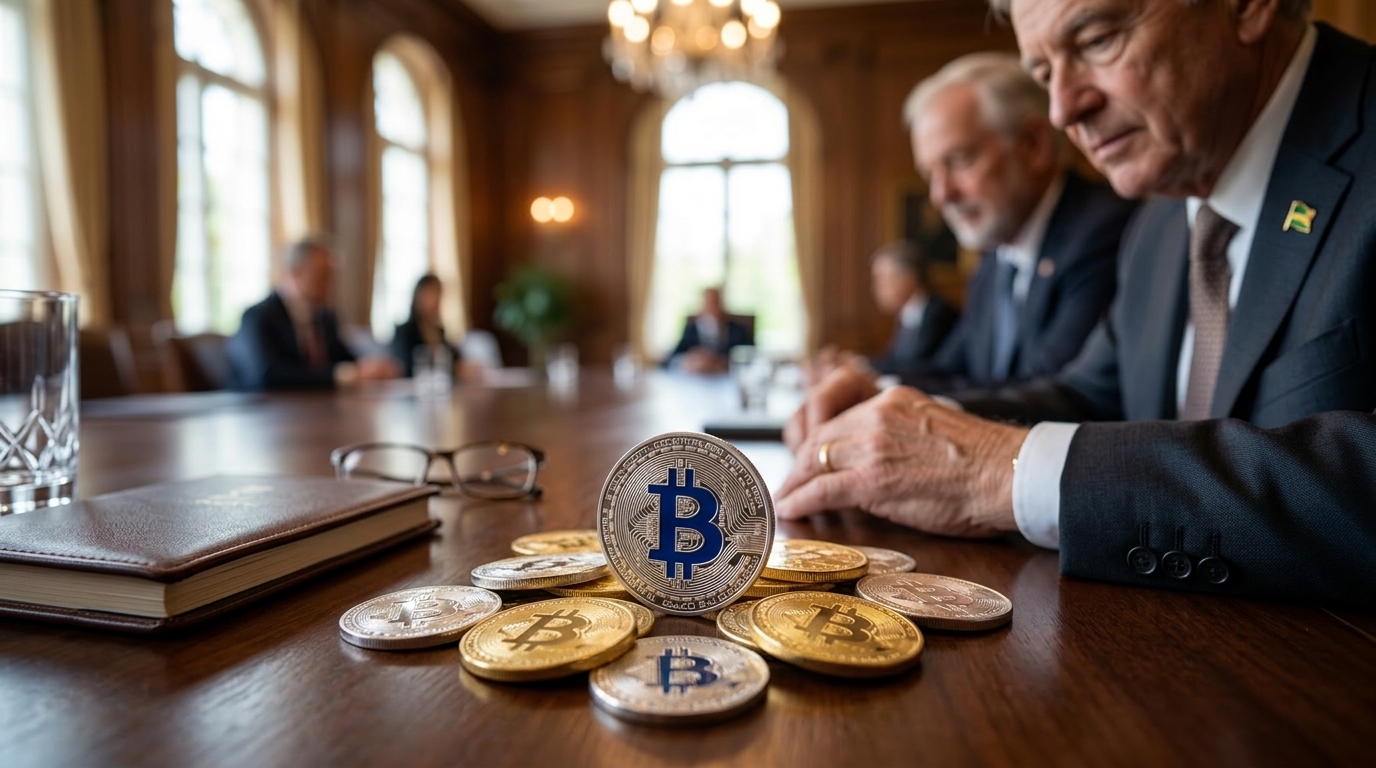
The cryptocurrency market, often serving as the most sensitive seismograph of geopolitical shifts, reacted with impressive momentum to recent news regarding a deal between the United States and Iran. Bitcoin, the world’s leading digital asset, surged to $65,600, marking its highest level in nearly two weeks, as investors pivot away from traditional safe havens and return to risk-on assets.
Geopolitical De-escalation and the Crypto 'Peace Dividend'
The US-Iran agreement, aimed at curbing regional tensions and ensuring the stability of critical energy corridors, acted as a soothing balm for markets that had been operating under a cloud of uncertainty. In the financial world, uncertainty is the primary enemy of liquidity. With the deal signed, fears of a broader conflict in the Middle East receded, allowing capital to flow back into more speculative yet high-yielding positions.
Analysts point out that Bitcoin is no longer viewed solely as 'digital gold' during times of crisis, but also as a barometer of global economic health. The climb to $65,600 was not an isolated move; it was accompanied by significant gains in Ethereum and other major altcoins, confirming a broad-based return of confidence to the sector.
The Role of Institutional Investors and ETFs
Alongside geopolitical developments, the internal dynamics of the crypto market remain robust. Spot Bitcoin ETFs in the US recorded increased inflows immediately following the announcement of the diplomatic breakthrough. Institutional players, now equipped with the tools for rapid market entry and exit, appeared to be waiting for a clear signal of stability to bolster their positions.
- 15% increase in trading volume within 24 hours.
- Reduced volatility compared to previous weeks of heightened tension.
- Total market capitalization strengthening above $2.4 trillion.
Stabilizing above the psychological threshold of $65,000 is considered critical by technical analysts. If Bitcoin manages to hold these levels, the path toward the $70,000 range reopens, especially if US macroeconomic data—such as inflation and interest rates—remains favorable.
Political Stability and the Digital Economy
The link between diplomacy and cryptocurrency prices highlights a new reality: Bitcoin is now an integral part of the global financial system. It is influenced not only by technological adoption but also by decisions made in Oval Offices and diplomatic missions. The US-Iran deal reduces the risk premium, which directly benefits high-volatility assets.
"The crypto market no longer breathes in a vacuum. Every diplomatic success in the Middle East translates into liquidity for Bitcoin," noted a senior analyst at a major international investment bank.
In conclusion, the return of buyers at the $65,600 level represents a vote of confidence not just in Bitcoin itself, but in the ability of international diplomacy to prevent crises that could paralyze global trade. For the average investor, the message is clear: geopolitical calm is the digital economy’s best ally.





