

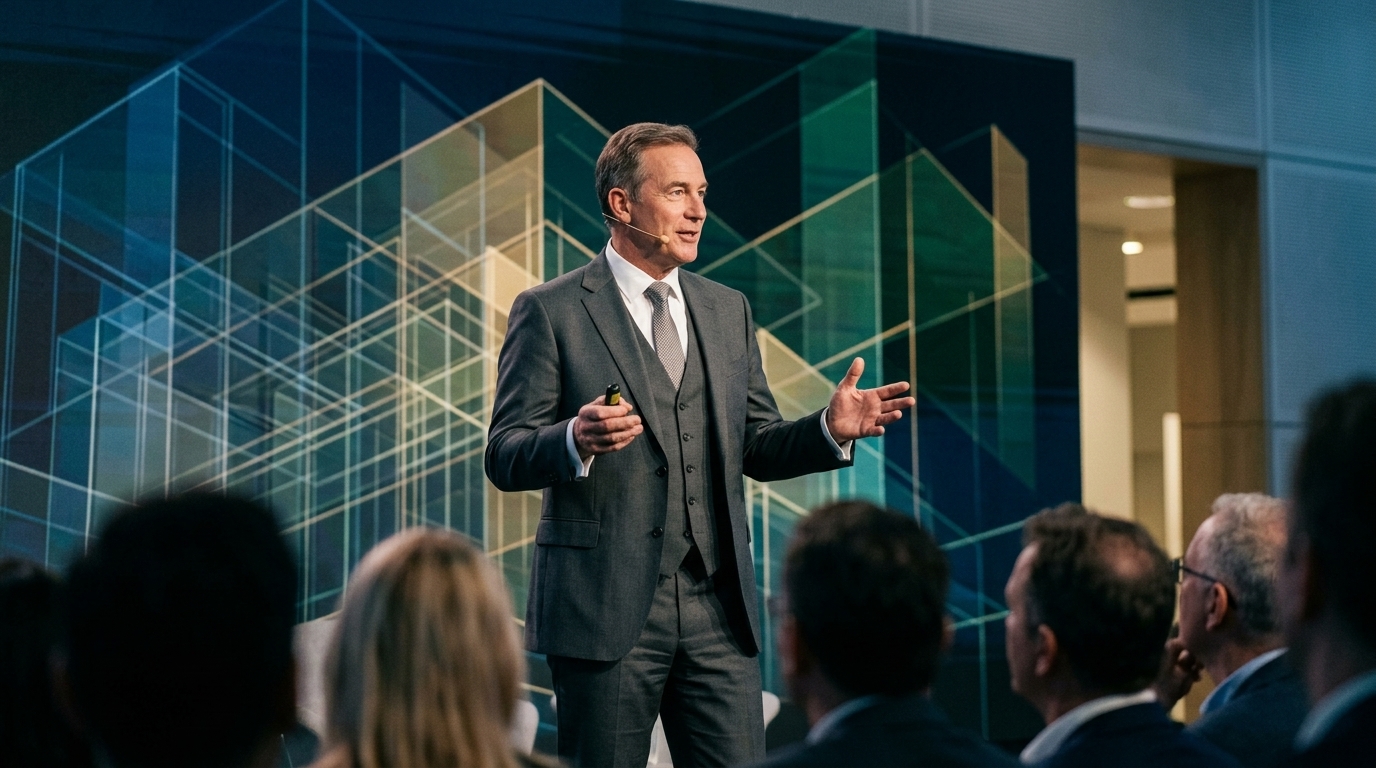
The era when the Chief Financial Officer (CFO) was confined to bookkeeping, cash flow management, and financial statement preparation is officially over. KPMG's 24th CFO Forum, recently held in Athens, served as the backdrop for a profound analysis of the industry's radical transformation. With the participation of over 500 top executives and 60 international speakers, the conference demonstrated that the modern CFO is now a "Strategic Architect," tasked with navigating the enterprise through the complexities of geopolitical instability, the digital revolution, and stringent ESG standards.
Artificial Intelligence as a Decision-Making Catalyst
A central theme of the forum was the integration of Generative AI into financial operations. Speakers emphasized that AI is no longer a futuristic scenario but an essential tool for real-time data analysis. The CFO is called upon to use technology not just for automating repetitive tasks, but for predicting risks and identifying new growth opportunities. The ability to process vast amounts of data enables a shift from "historical reporting" to "forward-looking analysis," allowing the business to adapt instantaneously to market changes.
However, the adoption of AI brings new challenges. Cybersecurity and the ethical use of data emerged as critical factors. CFOs must now collaborate closely with Chief Information Officers (CIOs) to ensure that the algorithms driving financial decisions are transparent, reliable, and shielded against external threats. Investing in technology, as highlighted, is not merely an expense but a strategic move to ensure long-term resilience. The consensus was clear: the CFO's office must become the hub of data-driven intelligence within the organization.
From Profit to Purpose: The Dominance of ESG
Another fundamental shift discussed extensively is the integration of ESG (Environmental, Social, Governance) criteria into the core of financial strategy. With the implementation of the CSRD (Corporate Sustainability Reporting Directive), the CFO assumes responsibility for measuring and reporting non-financial indicators with the same precision required for financial figures. Sustainability is no longer viewed as a marketing tool but as a decisive factor for accessing capital and attracting investors.
Forum participants pointed out that businesses failing to align with green policies risk exclusion from international markets. The CFO plays a pivotal role in bridging the gap between profitability and social responsibility, proving that sustainable growth can go hand-in-hand with financial robustness. The challenge lies in creating reporting systems that transparently reflect the company's environmental footprint, turning ESG data into actionable business insights. This "double materiality" approach is becoming the new standard for corporate excellence.
Leadership and Talent in the New Era
Beyond numbers and technology, the 24th CFO Forum placed significant emphasis on the human factor. The modern financial leader must possess "soft skills," such as empathy, communication, and change management capabilities. In an environment where talent is scarce, the CFO must inspire their team and foster a culture of continuous learning. Attracting and retaining executives who combine financial expertise with digital fluency is one of the greatest challenges for companies today.
In conclusion, the forum made it clear that the CFO of 2026 is the CEO's partner in strategy formulation. Armed with technology, guided by sustainability, and focused on people, financial directors are called to lead businesses into a new era of uncertainty, turning crises into transformation opportunities. The Greek business scene, as evidenced by the dynamic presence at the conference, appears ready to accept the challenge, investing in innovation and outward-looking strategies to secure a competitive edge in the global economy.





