

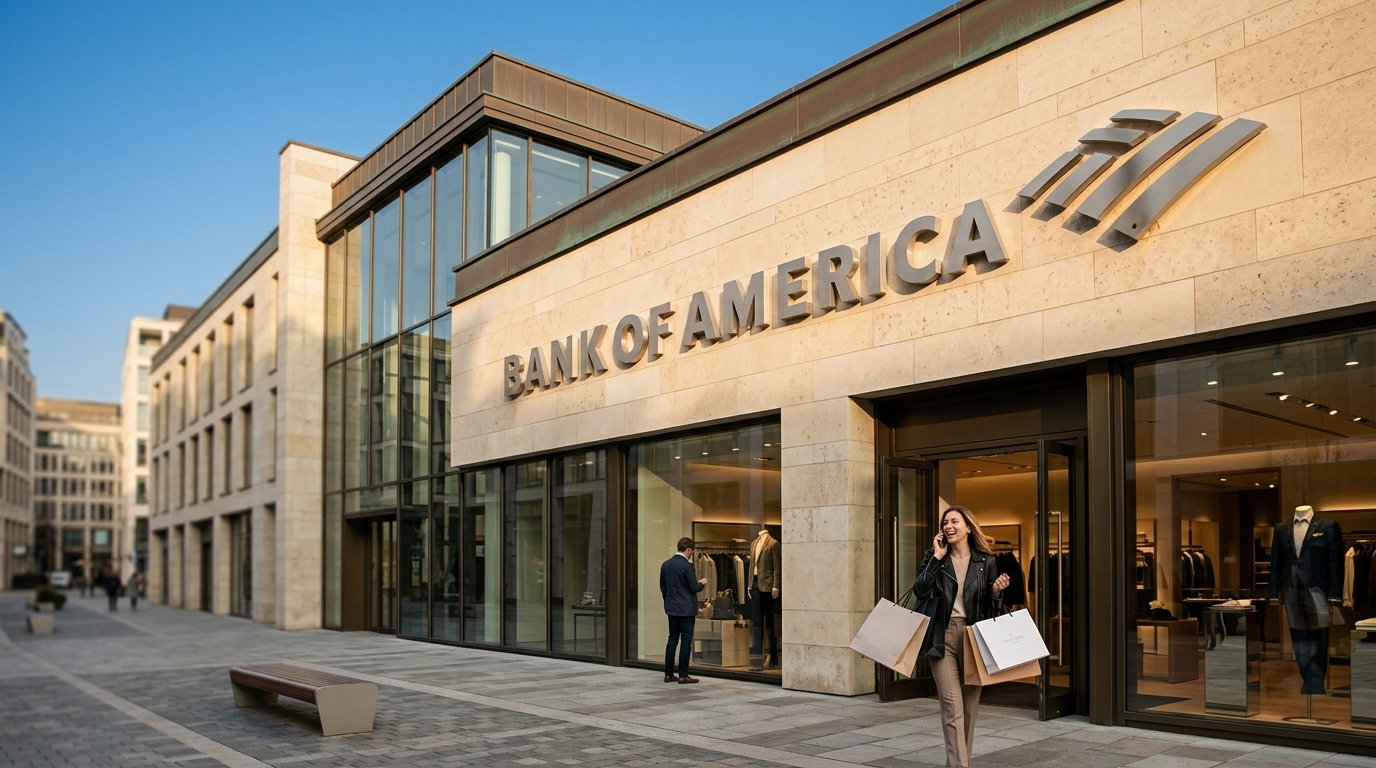
After a prolonged period of uncertainty characterized by the energy crisis, skyrocketing inflation, and supply chain disruptions, European apparel retail appears to be regaining its footing. According to a recent report by Bank of America (BofA), the sector is entering a 'virtuous cycle' where bolstered consumer demand meets a de-escalation in operating expenses, creating fertile ground for significant margin expansion.
The Return of Consumer Confidence
BofA’s analysis highlights that the improvement in demand is not an isolated phenomenon but a near-universal trend across European markets. Despite initial fears that the cost-of-living crisis would drastically curtail discretionary spending, consumers are showing remarkable resilience. The growth in real wages, as inflation slows down, has allowed households to allocate more resources to refreshing their wardrobes.
Of particular interest is the fact that this recovery is not limited to e-commerce. On the contrary, there is a dynamic return to physical stores, as consumers seek the experience and immediate contact with products. This favors groups with strong store networks, such as Inditex (Zara) and H&M, which have strategically invested in upgrading their physical spaces.
Easing Costs and Profit Margins
One of the primary factors fueling BofA’s optimism is the decline in production and transportation cost pressures. During 2022 and 2023, retailers faced explosive price increases in raw materials (such as cotton) and freight rates. Today, the situation has normalized significantly. Supply chain costs have returned to pre-pandemic levels, while falling energy prices reduce the operating costs of stores and warehouses.
"The current environment allows companies to maintain selling prices at stable or slightly increased levels while their costs decrease, leading to a rare opportunity for margin expansion," the bank's analysts state.
Furthermore, better inventory management is playing a decisive role. Companies have become more cautious with their orders, avoiding the overstocking that leads to heavy discounting and brand dilution. The strategy of 'less inventory, higher value' seems to be bearing fruit.
Winners and Challenges for 2026
In this new landscape, not everyone benefits equally. BofA singles out Inditex as the clear leader, thanks to its flexible production model that allows it to respond rapidly to fashion trends. H&M, on the other hand, is in a transformation phase, attempting to improve profitability through cost-cutting and targeting higher-quality products.
However, the road is not without obstacles. Increasing demands for sustainability and the implementation of stricter European regulations (such as ESG reporting and textile waste rules) are expected to impose additional costs in the medium term. Companies must balance profitability with environmental responsibility in a market where consumers are becoming increasingly conscious.
Conclusion
The Bank of America report sends a signal of optimism for the European economy at large. Apparel retail often acts as a bellwether for consumer sentiment. The sector's recovery suggests that Europe is leaving the worst of the inflationary crisis behind, although vigilance remains necessary in the face of geopolitical uncertainties that could once again disrupt supply chains.





