

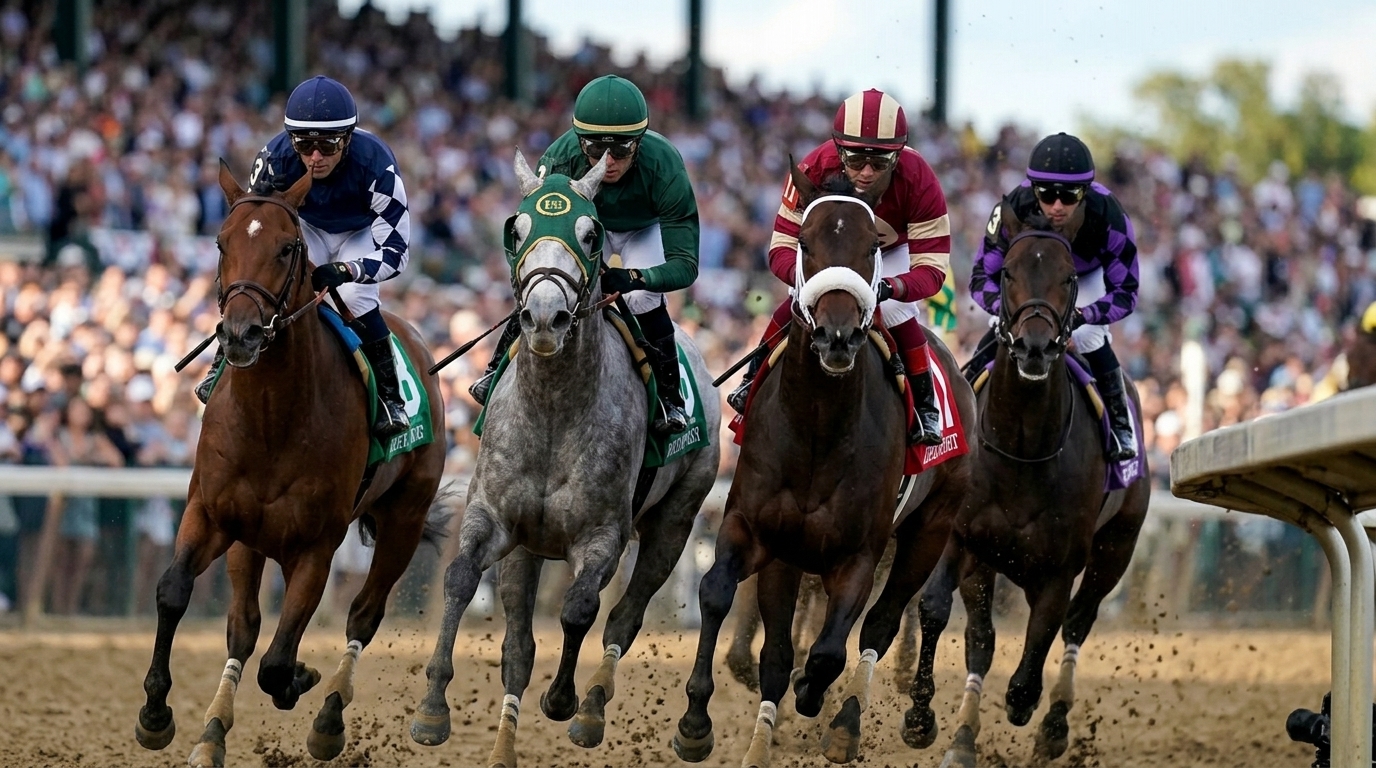
The Kentucky Derby is not just a horse race; it is the "most exciting two minutes in sports" and an economic engine that shows no signs of slowing down. As we move through 2026, interest in the 152nd Derby has reached fever pitch. However, behind the glamour of oversized hats and mint juleps lies a harsh reality: betting on this iconic event remains an incredibly complex and often frustrating experience for the average American citizen.
Last year, the total amount wagered reached a historic high of $234 million. Despite this massive liquidity, the process of placing a legal bet feels like trying to solve a 19th-century puzzle in the digital age. The cause? An explosive mix of archaic state laws, federal interventions, and ongoing legal battles involving Churchill Downs and the Horseracing Integrity and Safety Authority (HISA).
The Regulatory Labyrinth and the HISA Conflict
The root of the confusion lies in the fragmentation of American gambling legislation. While sports betting has been legalized in more than 35 states following the Supreme Court's 2018 decision, horse racing is governed by its own, separate set of rules. Many popular betting apps, such as FanDuel or DraftKings, require users to use separate "wallets" or even different apps to bet on horses due to the restrictions of the Interstate Horse Racing Act.
Furthermore, the introduction of HISA (Horseracing Integrity and Safety Act) in 2020, which aimed to clean up the sport from doping and reduce horse fatalities, has sparked intense backlash. States like Kentucky and Louisiana have filed lawsuits against HISA, arguing that the federal government is overstepping its authority. This judicial uncertainty creates an environment where rules can change from week to week, leaving bettors and bookmakers in a state of confusion.
The Digital Challenge and the ADW Phenomenon
To bet legally on the Derby off-track, one must typically use an Advance Deposit Wagering (ADW) platform. Churchill Downs owns TwinSpires, which is the dominant player in the market. However, the user experience is far from the simplicity of modern fintech apps. Geofencing restrictions are so strict that a user might be in a state where betting is legal, but the specific app may not be licensed to operate there.
This "digital friction" has driven many casual bettors back to illegal, offshore betting sites, which offer a much smoother, albeit risky, experience. The irony is palpable: the more the industry tries to regulate itself to protect its integrity, the more it pushes capital away from the legal channels that are taxed and support the local economy of Kentucky.
The Two-Minute Economy and the Future
Despite the hurdles, the economic significance of the Kentucky Derby for the city of Louisville and the state of Kentucky is immeasurable. In 2025, the economic impact on the region exceeded $400 million. Hoteliers, restaurateurs, and horse breeders rely on this weekend for a significant portion of their annual revenue. However, experts warn that Gen Z and millennials do not have the patience to navigate complex betting systems.
If the horse racing industry wants to survive and thrive, it must find a way to unify the betting experience. Integrating horse racing bets into general sports betting apps is the industry's "Holy Grail." Until then, the path to the cashier for the Kentucky Derby will remain harder than the race itself for many Americans.





